Cancer is the name for a large group of diseases in which abnormal cells grow out of control and can invade nearby tissue or spread through the body. It is one of the leading causes of death worldwide: the World Health Organization counts nearly 10 million cancer deaths in 2024, about one in every six deaths. The records on this page list the cause of death only as "cancer," with no type, so this article covers what is known about cancer risk in general.
The good news in that number is how much of it is avoidable. The WHO estimates that about 38% of cancers can be prevented with what is already known, by avoiding risk factors and using proven prevention strategies such as vaccination.
The people on the list above mostly died in their late 60s to early 80s, with a median age of 73. That fits the disease: the National Cancer Institute puts the median age at a cancer diagnosis at 67. The list also leans heavily male, with close to three men for every woman, which says more about who became famous in the 20th century than about cancer itself.
What is cancer?
Every cell in the body carries instructions in its DNA that tell it when to grow, divide and die. Cancer starts when changes in those instructions let a cell ignore the usual limits. Over time, the damaged cells can form a tumor, push into surrounding tissue and travel to distant organs. Some of these changes are inherited, but most are picked up over a lifetime. The NCI says only about 5 to 10 percent of cancers are caused by harmful inherited mutations.
That is why risk is spoken of in terms of odds rather than certainty. The NCI notes that, for any single patient, the precise reason they got cancer usually cannot be known. What researchers can do is measure which exposures and habits shift the odds across large groups of people, and by how much.
The type of cancer matters a great deal for outlook. Lung, colorectal, liver, breast and stomach cancers cause the most deaths worldwide, according to the WHO, and each has its own pattern of causes. This site has separate pages on lung cancer, breast cancer, colorectal cancer and prostate cancer.
Which risk factors can't be changed?
Age
Age is the single strongest risk factor, and nobody can avoid it. The NCI reports that cancer incidence climbs from under 26 cases per 100,000 people under age 20 to more than 1,000 per 100,000 among people 60 and older. Damage to DNA builds up over decades, and the body's ability to repair it declines, so most cancers appear later in life.
Family history and inherited genes
A family history raises risk for some cancers, but it is not destiny. As noted above, the NCI puts inherited mutations behind only 5 to 10 percent of cancers. The CDC lists family history among the main risk factors and suggests sharing it with a doctor.
A weakened immune system
People whose immune systems are suppressed face higher risks of some cancers. The NCI includes immunosuppression and chronic inflammation on its list of the most-studied risk factors. The WHO notes that HIV raises the risk of cervical cancer about six-fold and increases the risk of others, such as Kaposi sarcoma. HIV is preventable and treatable, so this factor is partly in a person's control.
Which risk factors can be changed?
The best US estimate comes from American Cancer Society researchers, who found that four in 10 cancer cases and about half of cancer deaths in US adults 30 and older in 2019 were linked to risk factors that can be changed. The WHO, looking globally, says that nearly a quarter of cancer deaths are tied to tobacco, alcohol, high body mass index, low fruit and vegetable intake and lack of exercise.
Tobacco: the largest single cause
Nothing else comes close. In the ACS analysis, cigarette smoking accounted for 19.3% of all cancer cases and about 30% of all cancer deaths. The CDC says tobacco smoke from cigarettes, cigars and pipes contains at least 69 chemicals that can cause cancer, and that tobacco can cause cancer almost anywhere in the body, including the bladder, cervix, liver and stomach as well as the lungs.
Quitting helps no matter how long someone has smoked. The CDC says quitting lowers cancer risk no matter how long a person has used tobacco.
Excess body weight
Weight is the second-largest changeable factor in the US. The ACS study attributed 7.6% of cancer cases to excess body weight. The NCI links obesity to at least 13 types of cancer, among them endometrial, esophageal, liver, kidney, pancreatic, colorectal and postmenopausal breast cancer. The size of the effect varies: for most of these cancers, the NCI says obesity raises risk by anywhere from about 10% to double, while people with severe obesity have about seven times the risk of type 1 endometrial cancer.
Whether losing weight undoes the risk is harder to prove. The NCI points to a large study of postmenopausal women in which those who intentionally lost more than 5% of their body weight had a lower risk of obesity-related cancers, but it cautions that observational studies like this cannot rule out other differences between the groups.
Alcohol
Alcohol is a proven cause of cancer, and no type of drink is exempt. The NCI says the strongest evidence links it to cancers of the mouth, throat, voice box, esophagus and liver, and that it is also associated with breast and colorectal cancer. In the US in 2019, alcohol accounted for about 5% of cancer cases and about 4% of cancer deaths, according to the NCI.
The risk rises with the amount. The NCI reports that heavy drinkers are about 5 times as likely to develop mouth and throat cancer as non-drinkers. Even modest drinking has a measurable effect on breast cancer: compared with women who have less than one drink a week, one drink a day adds about 2 extra cases per 100 women, and two drinks a day about 5. Red wine is not a safe exception; the NCI cites a meta-analysis that found no difference between red and white wine for overall cancer risk.
Infections, and the vaccines that prevent them
Some cancers are caused by viruses and bacteria. The WHO attributes about 10% of cancers diagnosed worldwide in 2022 to infections such as H. pylori, human papillomavirus (HPV), hepatitis B and C and Epstein-Barr virus, and the share rises to about 30% in low- and lower-middle-income countries.
Two of these infections can be prevented with a vaccine. HPV causes cervical cancer and several others, and the CDC says HPV vaccination can prevent over 90% of cancers caused by HPV, adding that almost all cervical cancer can be prevented by vaccination. The vaccine works best at ages 11 to 12, before any exposure. It can be started as early as age 9, is recommended for anyone through age 26 who missed it, and adults 27 to 45 may choose it after talking with a doctor.
Hepatitis B is the other. The WHO estimates that 240 million people were living with chronic hepatitis B in 2024, and that it caused about 1.1 million deaths that year, mostly from cirrhosis and liver cancer. The vaccine gives nearly 100% protection, and the WHO recommends the first dose as soon as possible after birth, ideally within 24 hours.
Sun and tanning beds
Ultraviolet radiation from the sun and from tanning beds damages skin cells and causes skin cancer. The ACS study attributed 4.6% of US cancer cases to UV exposure. The CDC recommends shade, clothing that covers the arms and legs, a wide-brimmed hat, and a broad-spectrum sunscreen of SPF 15 or higher, with extra care when the UV index is 3 or higher. It also advises avoiding indoor tanning and describes any tan or burn as a sign of injury, not health.
Physical activity
Being active lowers the risk of several cancers, and not only through weight. The NCI reports that the most active people have about a 19% lower risk of colon cancer than the least active, along with lower risks of breast, endometrial, bladder, kidney, stomach and esophageal cancer. The ACS study attributed 3.1% of cancer cases to physical inactivity. US guidelines, as summarized by the NCI, call for 150 to 300 minutes of moderate activity a week, or 75 to 100 minutes of vigorous activity, plus muscle strengthening on at least two days.
Diet, processed meat and red meat
The WHO lists low fruit and vegetable intake among the leading behavioral risks. The International Agency for Research on Cancer has classified processed meat as carcinogenic to humans (Group 1) and red meat as probably carcinogenic (Group 2A). That label is often misread. The WHO explains that the groups describe how strong the evidence is, not how large the risk is, so a Group 1 label on its own says nothing about how dangerous a food is.
Radon and air pollution
The WHO's prevention advice includes reducing exposure to radon, a radioactive gas that can build up in homes, and it calls air pollution an important risk factor for lung cancer. Both are covered in more detail on the lung cancer page.
What does not cause cancer?
The NCI keeps a page answering the most common misconceptions. Its answers, in short:
- Cell phones. Not according to the best studies so far. The low-frequency energy phones give off does not damage genes.
- Power lines. Also not linked to cancer in the best studies; walls block the electric energy easily, and the magnetic energy is too weak to harm DNA.
- Antiperspirants and deodorants. The NCI says the best studies found no evidence linking their usual chemicals to changes in breast tissue.
- Sugar "feeding" cancer. Cancer cells do use more glucose than normal cells, but the NCI says research has not found that sugar in the diet worsens cancer. A high-sugar diet can add weight, and excess weight does raise risk.
- Surgery spreading cancer. The NCI describes the risk of an operation spreading cancer elsewhere in the body as extremely low.
- Herbal cures. No herbal product has been shown to treat cancer, and some can interfere with chemotherapy or radiation.
- "A diagnosis is a death sentence." Survival has improved a great deal. The NCI notes that five-year survival for some cancers, including breast, prostate and thyroid, is now 90 percent or better.
Can it be caught early?
For several common cancers, yes, and screening can find some before they start. The US Preventive Services Task Force recommends:
- Colorectal cancer: screening for all adults aged 45 to 75, with selective screening from 76 to 85. The CDC notes that these tests can find precancerous polyps so they can be removed before they turn into cancer.
- Breast cancer: a mammogram every two years for women aged 40 to 74.
- Cervical cancer: a Pap test every 3 years from 21 to 29, then from 30 to 65 a choice of a Pap test every 3 years, an HPV test every 5 years, or both together every 5 years.
- Lung cancer: a yearly low-dose CT scan for people aged 50 to 80 with a heavy smoking history who still smoke or quit within the past 15 years.
Screening is not useful for every cancer. The CDC says screening for ovarian, pancreatic, prostate, testicular and thyroid cancers has not been shown to reduce deaths from them in the general population.
When should someone see a doctor?
Cancer symptoms depend on where it starts, but the NHS lists some general signs worth checking: a new lump or swelling, unexplained weight loss, unusual bleeding or bruising, persistent heavy sweating or fever, unusual tiredness, and pain that is new. The NHS advises speaking to a GP about any symptom that is not normal for you, and stresses that most of these symptoms have other, more common causes.
What do the famous cases show?
Because these records list no cancer type, the details often have to come from elsewhere, and sometimes those details are known.
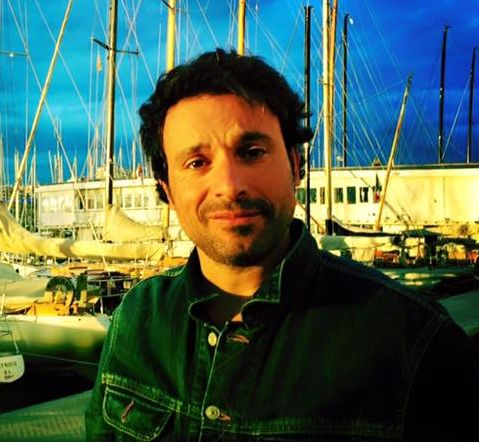
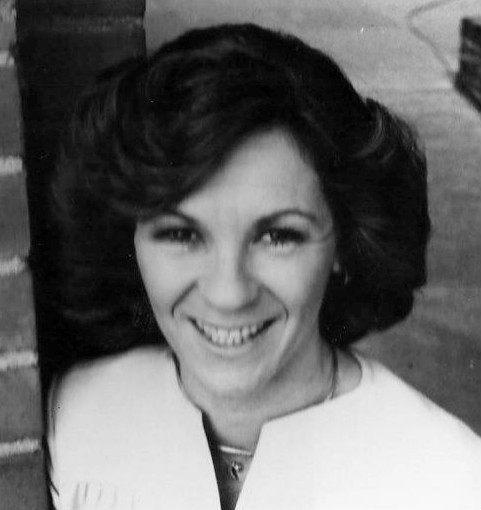
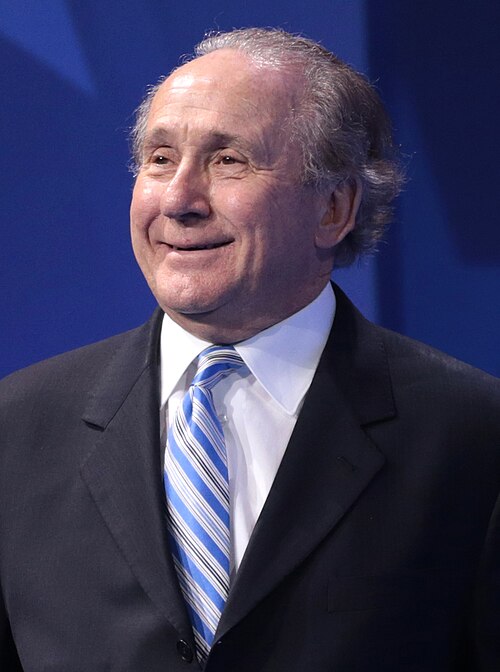
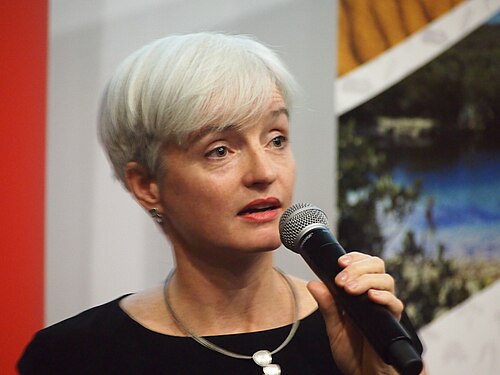
- Roger Moore, the James Bond actor, died in 2017 at 89. Our record says only "cancer," but published accounts of his death name cancers of the lung and liver.
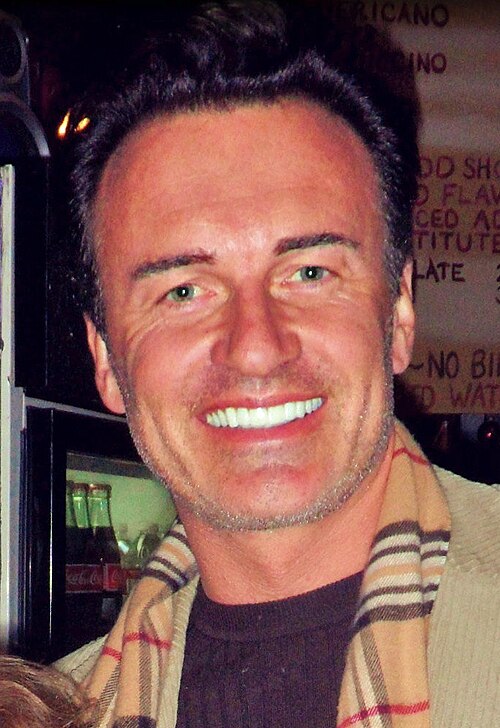
- Julian McMahon, of Nip/Tuck, died in 2025 at 56. Public accounts describe a head and neck cancer that had spread to his lungs.
- John Tuggle, the New York Giants running back known as "Mr. Irrelevant," died in 1986 at 25. Accounts of his death name angiosarcoma, a rare cancer of the blood vessels.
- Ronnie Spector of the Ronettes died in 2022 at 78, shortly after a cancer diagnosis whose type was not made public.
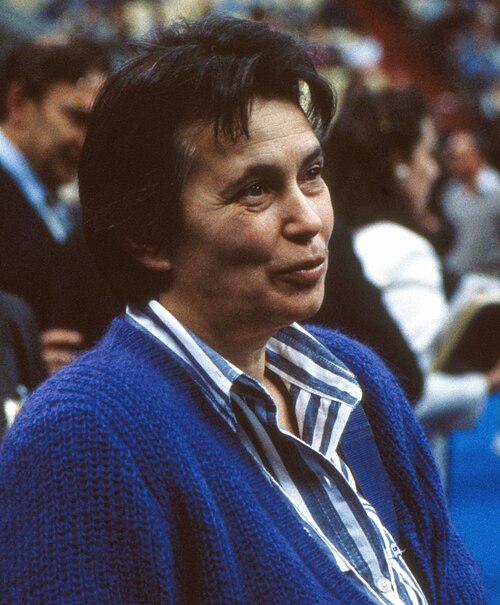
- Judith Love Cohen, the aerospace engineer who worked on Apollo's abort-guidance system, died in 2016 at 82, also of a cancer of unstated type.
Among the notable people on this list, the median age at death is 73, and the middle half died between about 64 and 81. That sits a few years above the NCI's median age at diagnosis of 67, which fits a disease that is often diagnosed years before death.
A few cautions apply. Notable people are not a representative sample of anyone. Causes of death here come from Wikidata, and "cancer" with no type often means the type was simply not recorded, as the cases above show. And history matters: the earliest death on this list dates to the 1880s, long before modern screening, vaccines or treatment, so it says little about risk today. Nothing on this page implies that any named person's habits caused their illness.
The short version
- Roughly 4 in 10 cancers are tied to things that can be changed, and tobacco is by far the largest of them.
- Keeping a healthy weight, drinking less alcohol or none, and staying active each lower the odds for several cancers.
- Vaccines against HPV and hepatitis B prevent cancers outright.
- Sun protection and avoiding tanning beds cut the risk of skin cancer.
- Screening for colorectal, breast, cervical and (for heavy smokers) lung cancer catches disease early, and in some cases before it starts.
Sources
- WHO: Cancer fact sheet - global deaths, preventable share, behavioral risks, infections, HIV, prevention advice.
- WHO: Hepatitis B fact sheet - people living with hepatitis B, deaths, vaccine protection and birth dose.
- WHO: Q&A on the carcinogenicity of red and processed meat - IARC classifications and what they mean.
- National Cancer Institute: Risk Factors for Cancer - the main studied risk factors and why individual causes are hard to know.
- National Cancer Institute: Age and Cancer Risk - median age at diagnosis and incidence by age.
- National Cancer Institute: Common Cancer Myths and Misconceptions - inherited share, phones, power lines, antiperspirants, sugar, surgery, herbs, survival.
- National Cancer Institute: Alcohol and Cancer Risk - cancers caused by alcohol, risk by amount, US attributable share.
- National Cancer Institute: Obesity and Cancer - cancers linked to obesity and the size of the risk, weight loss evidence.
- National Cancer Institute: Physical Activity and Cancer - lower risks with activity and the US activity guidelines.
- American Cancer Society: 40% of cancer cases linked to modifiable risk factors - shares of US cases and deaths by risk factor, 2019.
- CDC: Cancer Risk Factors - family history and other listed risk factors.
- CDC: Tobacco and Cancer - carcinogens in smoke, cancers caused by tobacco, quitting at any age.
- CDC: Cancers Caused by HPV - share of HPV cancers the vaccine prevents, best age to vaccinate.
- CDC: HPV Vaccine - vaccination from age 9, catch-up through 26, shared decision at 27 to 45.
- CDC: Reducing Risk for Skin Cancer - sun protection steps and indoor tanning.
- CDC: Screening Tests - lung screening criteria and cancers where screening has not reduced deaths.
- USPSTF: Colorectal Cancer Screening - screening ages 45 to 75, selective at 76 to 85.
- USPSTF: Breast Cancer Screening - mammography every two years, ages 40 to 74.
- USPSTF: Cervical Cancer Screening - tests and intervals from 21 to 65.
- NHS: Cancer symptoms - general warning signs and when to see a GP.
How this was sourced
This article summarizes what public health authorities and peer-reviewed research say, and each claim links to the page we took it from. We are not doctors, and this is not medical advice. Your own risk depends on your history, your family and your circumstances, so talk to a doctor about it.