Lung cancer is a cancer that begins in the cells of the lungs and, left alone, can spread to other organs. It is the deadliest cancer in the world: the World Health Organization counts about 2.5 million new cases and 1.8 million deaths in 2022, more than any other cancer. In the United States, the American Cancer Society says it causes roughly 1 in 5 of all cancer deaths.
It is also one of the most preventable cancers. The WHO estimates that more than 1.3 million cases in men and close to 500,000 in women could be prevented, most of them by removing tobacco smoke.
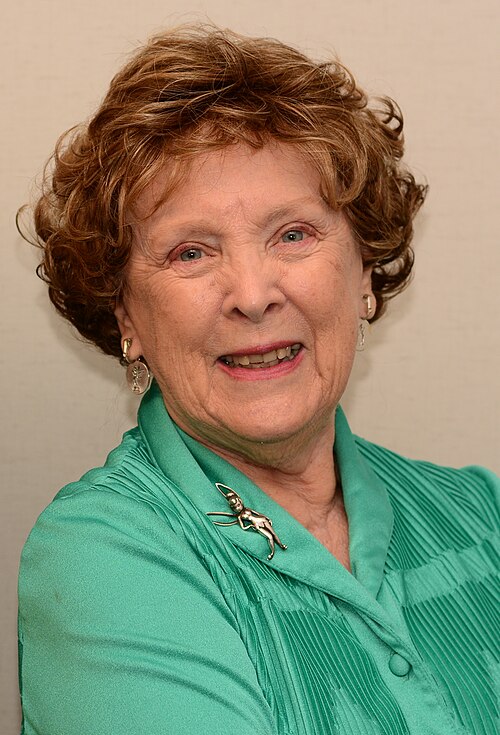
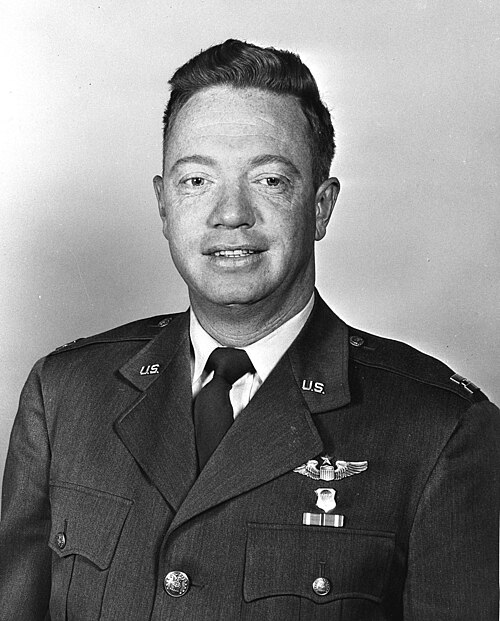
The people on the list above mostly died in their 60s and 70s, which matches the disease in the general population: the American Cancer Society puts the average age at diagnosis at about 70. The list also leans heavily male, with roughly three men for every woman.
What is lung cancer?
Cancer starts when cells pick up changes in their DNA that let them grow and divide without the usual controls. In the lungs, those changes are often driven by what a person breathes in. Tobacco smoke, for example, is a mix of more than 7,000 chemicals, at least 70 of which are known to cause cancer, according to the CDC.
Doctors split lung cancer into two broad kinds. The American Cancer Society says 80% to 85% are non-small cell lung cancer, which includes adenocarcinoma, squamous cell carcinoma and large cell carcinoma, while 10% to 15% are small cell lung cancer, a type that tends to grow and spread faster. The type matters because treatment differs, and some tumors carry specific gene changes (such as in the EGFR gene) that can be targeted with drugs. The ACS notes that people who never smoked are more likely to have one of these driver mutations.
Early lung cancer usually causes no symptoms, which is one reason it is so often found late. The American Lung Association reports that only about 28% of US cases are diagnosed at an early stage.
Which risk factors can't be changed?
Age
Risk climbs with age. The American Cancer Society says most people diagnosed are 65 or older, and very few are younger than 45. Overall, it puts the chance of developing lung cancer in a lifetime at about 1 in 19.
Family history and genes
Having a parent, brother or sister with lung cancer raises risk somewhat. The CDC says this may come from shared exposures, inherited gene changes, or both, and the ACS describes the added risk for relatives as slightly higher. The American Cancer Society says inherited mutations were long thought to cause few lung cancers, though newer studies support testing patients for them.
A past lung cancer or chest radiation
People who have already had lung cancer can develop a second one, the CDC notes. Survivors of other cancers who had radiation to the chest, for instance for Hodgkin lymphoma or breast cancer, face a higher risk too, particularly if they smoke.
Other health conditions
The NHS lists chronic obstructive pulmonary disease (COPD) as a condition that raises risk, and the CDC says people living with HIV have a higher risk than people without it.
Sex and ancestry
Patterns differ around the world. A 2026 narrative review in Frontiers in Public Health reports that about 25% of lung cancers worldwide occur in people who never smoked, and roughly two-thirds of those are in women. The same review found that never-smokers make up under 20% of female cases in the US and UK but over 80% in China, which points to exposures other than tobacco, such as cooking fumes and air pollution, along with genetic factors.
Which risk factors can be changed?
Smoking: by far the biggest factor
No other factor comes close. The CDC says cigarette smoking is linked to about 80% of US lung cancer deaths, and that people who smoke are 15 to 30 times more likely to get or die of lung cancer than people who do not. The American Cancer Society's own estimate is that about 85% of lung cancer deaths in 2025 were expected to be caused by smoking. Worldwide, the WHO attributes 60% to 70% of preventable cases to tobacco and states that not smoking is the single best way to prevent the disease.
Other ways of burning tobacco are not a safe swap. The ACS says cigars and pipes are almost as likely to cause lung cancer as cigarettes.
Quitting, at any age
Stopping lowers risk, though it takes years and does not erase it completely. A 2024 JAMA Network Open study that followed close to 3 million adults in Korea found that lung cancer risk among people who quit fell to about half that of continuing smokers after 12 years, and that men who quit before age 50 saw a larger drop than those who quit later.
The broader payoff is large. The National Cancer Institute reports that people who quit before 40 cut their chance of dying early from a smoking-related disease by about 90%, and that even quitting between 55 and 64 adds about 4 years of life. For people already diagnosed with some cancers, the NCI says quitting at diagnosis may lower the risk of dying by 30% to 40%.
Radon at home
Radon is a colorless, odorless radioactive gas that seeps up from soil and rock and can build up indoors. The National Cancer Institute calls it the second leading cause of lung cancer in the United States and cites estimates of 15,000 to 22,000 US lung cancer deaths a year linked to radon. Most of those deaths are in smokers, because the two exposures together are worse than either alone, but the NCI says more than 10% occur in people who do not smoke.
The only way to know a home's level is to test it. The NCI notes that the EPA advises fixing homes at or above 4 picocuries per liter, and that long-term tests, run for more than 90 days, give a truer average than short ones. In the UK, the NHS notes that radon reaches high levels inside buildings in some areas.
Secondhand smoke
Breathing other people's smoke is a cause in its own right. The CDC says nonsmoking adults exposed to it raise their lung cancer risk by 20% to 30%, and that it causes more than 7,300 lung cancer deaths a year among US adults who do not smoke. The agency states there is no safe level of exposure. The American Cancer Society ranks it as the third most common cause of lung cancer in the US.
Air pollution
In 2013 the International Agency for Research on Cancer classified outdoor air pollution as carcinogenic to humans (Group 1). The WHO lists both outdoor and household air pollution among the main preventable causes. How much it matters depends on where a person lives: the ACS estimates that outdoor pollution accounts for only about 1% to 2% of US lung cancer deaths, while the 2026 review cited above estimates that meeting the WHO fine-particle guideline could prevent about one-third of lung cancers in never-smokers, mostly a concern in heavily polluted regions.
Workplace exposures
Some jobs bring exposure to cancer-causing dusts and fumes. The CDC lists asbestos, arsenic, diesel exhaust, some forms of silica and chromium, and notes that the risk is higher for workers who also smoke. The ACS says people who work with asbestos are several times more likely to die of lung cancer. The NHS singles out long-term asbestos exposure in the building trade.
Beta-carotene pills
This one surprises people. Beta-carotene from food does not raise risk, but the CDC says beta-carotene supplements increase lung cancer risk, especially in people who smoke a pack or more a day. The ACS advises smokers to avoid these supplements.
Arsenic and radon in well water
The CDC notes that arsenic and radon in drinking water, mainly from private wells, can raise risk. For people on public water systems, the ACS says drinking water is not a major source of arsenic.
Diet and exercise
The NHS recommends regular exercise and a healthy diet with at least 5 portions of fruit and vegetables a day as part of lowering risk. These are general measures and are small next to not smoking.
What does not cause lung cancer, or is still unknown?
"Light" or low-tar cigarettes are not safer
The National Cancer Institute says plainly that light cigarettes are no safer than regular ones. People who switch tend to puff harder or more often, and the NCI states that changes in cigarette design have not lowered the risk of disease.
"Only smokers get lung cancer"
Not true. The ACS notes that many people with lung cancer never smoked, and that their cancers can be linked to radon, secondhand smoke or air pollution, or have no known cause. Lung cancer in never-smokers also tends to appear at younger ages.
Surgery or air exposure spreading the cancer
A common worry is that operating on a lung tumor "lets the air in" and makes it spread. The National Cancer Institute says exposure to air does not make tumors grow faster or spread, and that the chance of surgery causing spread is extremely low.
Catching it from someone
Cancer is not contagious. The NCI says it does not spread easily from person to person; the only documented route is organ or tissue transplant, and that risk is very low.
Vaping and cannabis: not settled
Two questions remain open. The American Cancer Society says it is not yet known whether e-cigarettes directly raise lung cancer risk, and that more research is needed on the cancer risks of smoking marijuana. Not proven harmful is not the same as proven safe.
Can it be caught early?
Yes, for people at high risk. The US Preventive Services Task Force recommends a yearly low-dose CT scan for adults aged 50 to 80 with a 20 pack-year smoking history who still smoke or quit within the past 15 years (a pack-year is one pack a day for a year). Screening stops once a person has gone 15 years without smoking, or if other health problems would rule out curative surgery. The 2021 guidance, graded B, widened an older 2013 rule that started at 55 and required 30 pack-years.
The evidence comes from large trials. The Task Force summarizes the US National Lung Screening Trial as showing an initial 20% relative reduction in lung cancer deaths, which was 16% with longer follow-up, and the European NELSON trial as recording 181 lung cancer deaths in the screened group versus 242 in the control group over 10 years.
Timing matters because survival depends on stage. The American Lung Association reports a five-year survival of 65% when lung cancer is found early but only 10% when found late, and an overall figure of 29.7%. Yet it found that only 18.2% of eligible Americans were screened in 2022.
In England, the NHS runs lung health checks for people aged 55 to 74 who have ever smoked, in areas where the program is offered. A short assessment decides who is offered a CT scan, and results arrive by letter within 4 weeks.
What are the warning signs?
Symptoms often appear only once the disease has advanced. The NHS lists these as the most common:
- a cough that does not go away
- shortness of breath
- coughing up blood
- chest or shoulder pain
- repeated chest infections, or one that will not clear
- weight loss without trying, loss of appetite
- constant tiredness
Less common signs include a hoarse voice that lingers, trouble swallowing, swelling of the face or neck, and clubbed fingertips, according to the NHS symptoms page. The WHO adds that early symptoms are often mild or mistaken for ordinary chest complaints, which delays diagnosis.
When to see a doctor: the NHS advises a GP visit for a cough lasting longer than 3 weeks or any of the signs above, and an urgent appointment for coughing up blood. Having these symptoms does not mean someone has lung cancer, since most have other causes, but they are worth getting checked. The NHS says struggling to breathe, or chest or upper back pain, is an emergency: call 911 (US), 999 (UK) or 112 (EU).
What do the famous cases show?
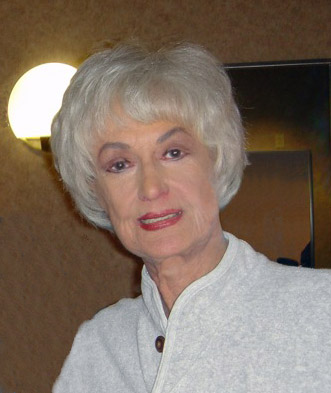
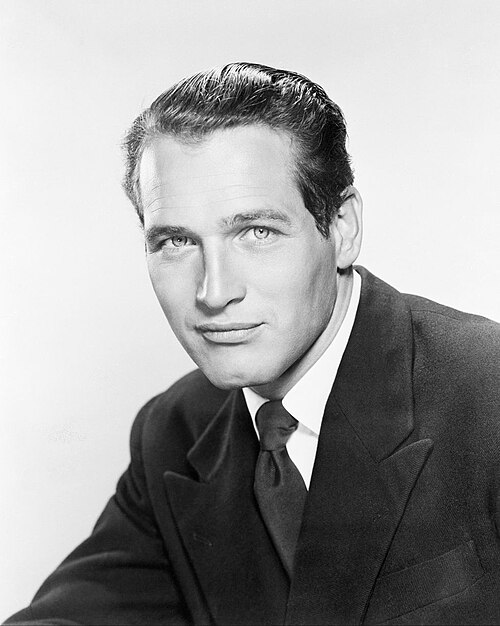
The list spans a century, from deaths in the 1920s to recent years, and it reflects who was famous and how they lived as much as anything about the disease.
- George VI, King of the United Kingdom, died in 1952 at 56. He had lung cancer, but his recorded cause of death was a coronary thrombosis.
- Yul Brynner, the star of The King and I, died in 1985 at 65.
- John Cazale, Fredo Corleone in The Godfather films, died in 1978 at 42, one of the younger people on the list.
- Paul Newman, the Academy Award-winning actor, died in 2008 at 83.
- Bea Arthur, of Maude and The Golden Girls, died in 2009 at 86.
Across all the notable people on our list, the median age at death is 69, with the middle half dying between 63 and 79. That sits close to the average age at diagnosis of about 70 reported by the American Cancer Society. About three in four on our list are men, a much wider gap than among today's US cases, where the ACS expects slightly more new cases in women than in men in 2026.
A caveat: notable people are not a representative sample of anyone. Causes of death here are taken from Wikidata and can be incomplete or imprecise, and a death decades ago, before low-dose CT screening and targeted drugs existed, says little about outcomes today. Nothing here suggests that any named person's habits caused their illness.
The short version
- Smoking drives most lung cancer deaths, around 80% in the US by CDC figures. Not starting, and quitting, are the strongest levers, and quitting earlier helps more.
- Radon is the second leading cause in the US. The NCI says testing is the only way to know a home's level.
- Secondhand smoke, workplace dusts such as asbestos, and air pollution add real risk, including for people who never smoked.
- Adults 50 to 80 with a heavy smoking history can get a yearly low-dose CT scan under US guidance, and early-stage cancer has far better survival.
- A cough lasting more than three weeks, or coughing up blood, deserves a doctor's visit.
Sources
- WHO: Lung cancer fact sheet - global cases and deaths, preventable share, tobacco share, symptoms.
- CDC: Lung Cancer Risk Factors - smoking share and relative risk, workplace exposures, beta-carotene, HIV, family history.
- CDC: Health Problems Caused by Secondhand Smoke - 20-30% higher risk, 7,300+ deaths a year, no safe level.
- American Cancer Society: Key Statistics for Lung Cancer - share of cancer deaths, average age at diagnosis, lifetime risk, 2026 estimates by sex.
- American Cancer Society: What Is Lung Cancer? - non-small cell and small cell types and shares.
- American Cancer Society: Lung Cancer Risk Factors - cigars and pipes, secondhand smoke rank, asbestos, air pollution share, e-cigarettes, marijuana.
- American Cancer Society: What Causes Lung Cancer? - share of deaths from smoking, cancer in never-smokers, driver mutations.
- National Cancer Institute: Radon and Cancer - second leading cause, 15,000-22,000 deaths a year, testing and action level.
- National Cancer Institute: Quitting Smoking - benefits by age at quitting and after diagnosis.
- National Cancer Institute: "Light" Cigarettes and Cancer Risk - light and low-tar cigarettes are no safer.
- National Cancer Institute: Common Cancer Myths and Misconceptions - air exposure, surgery and contagion myths.
- IARC: Outdoor air pollution a leading environmental cause of cancer deaths - 2013 Group 1 classification.
- USPSTF: Lung Cancer Screening recommendation - who should be screened, how often, when to stop, trial results.
- American Lung Association: State of Lung Cancer, Key Findings - survival by stage, share found early, screening rate.
- NHS: Causes of lung cancer - COPD, asbestos, radon, diet and exercise advice.
- NHS: Symptoms of lung cancer - common and less common signs, when to see a GP.
- NHS: Lung cancer screening - lung health checks for ages 55 to 74.
- JAMA Network Open: Cancer Risk Following Smoking Cessation in Korea - lung cancer risk halved 12 years after quitting.
- Frontiers in Public Health (PMC): Lung cancer in never-smoking females - share of cases in never-smokers, regional differences, air pollution.
How this was sourced
We summarized public health authorities and peer-reviewed research, and each claim links to the page it came from. The list of people and the ages at death come from our own celebrity database, which draws causes of death from Wikidata. This article is not medical advice and cannot assess anyone's personal risk; talk to a doctor about your own history, exposures and whether screening is right for you.