Colorectal cancer is cancer that starts in the colon or the rectum, the last stretch of the digestive tract. Worldwide it is common and deadly: the World Health Organization counts about 1.9 million new cases and more than 900,000 deaths in 2022, which makes it the third most common cancer and the second leading cause of cancer death. In the United States, the American Cancer Society expects it to cause about 55,230 deaths in 2026, making it the second leading cause of cancer death when men and women are counted together.
It is also one of the cancers where screening can do more than find disease early. Many colorectal cancers start as polyps, and the ACS notes that with regular screening most polyps can be found and removed before they turn into cancer.
The notable people on the list above died at a median age of 62, younger than for many cancers, and several of the best-known names died in their 40s. That fits a real and worrying trend: overall rates are falling, but the ACS reports that among people younger than 50, incidence rose 2.9% per year from 2013 to 2022. The list is also mostly male, with three men for every woman.
What is colorectal cancer?
The colon and rectum make up the large bowel, which absorbs water and moves waste out of the body. Cancer there usually begins as a small growth on the inner lining called a polyp. Most polyps stay harmless, but some pick up DNA changes over years and become cancer, which can then grow through the bowel wall and spread to lymph nodes, the liver or the lungs.
Because the change from polyp to cancer is slow, there is a long window in which a growth can be spotted and taken out. That is why the CDC stresses that people can have polyps or colorectal cancer and not know it: early disease often causes no symptoms at all.
In the UK the same disease is usually called bowel cancer. Colon cancer and rectal cancer are sometimes counted separately; the ACS estimates about 108,860 new colon cancers and about 49,990 new rectal cancers in the US in 2026.
Which risk factors can't be changed?
Age
Risk climbs as people get older. The CDC says most cases occur in people 45 and older, and the WHO describes risk as rising markedly after age 50, though the disease can strike earlier.
Family history
Family history matters more here than for many cancers. The National Cancer Institute says that having a parent, sibling or child with colorectal cancer doubles a person's risk. The ACS reports that as many as 1 in 3 people who develop it have other relatives who have had it, and that the risk is higher still when a first-degree relative was diagnosed before 50.
Inherited syndromes
A smaller group inherits a gene change that sharply raises risk. The ACS says about 5% of people who develop colorectal cancer carry an inherited syndrome. The most common is Lynch syndrome, which accounts for about 2% to 4% of colorectal cancers and can push lifetime risk as high as 50%, depending on the gene. Familial adenomatous polyposis (FAP) is rarer, about 1% of cases, but without surgery to remove the colon almost everyone with FAP develops colon cancer by about 40.
Bowel disease and past polyps
Long-standing inflammatory bowel disease, meaning ulcerative colitis or Crohn's disease, raises risk, as the CDC and the NHS both note. So does a personal history of colorectal cancer or certain types of polyps, according to the WHO.
Race and ethnicity
In the US, the ACS says American Indian and Alaska Native people have the highest rates, followed by African American men and women. The NCI notes that Black individuals have a higher risk both of getting colorectal cancer and of dying from it than other groups. The ACS also reports that Jewish people of Ashkenazi descent have one of the highest colorectal cancer risks of any ethnic group.
Which risk factors can be changed?
The WHO groups the lifestyle causes together: a diet heavy in red and processed meat and light on fruit and vegetables, physical inactivity, excess weight, tobacco and alcohol.
Processed and red meat
In 2015 the International Agency for Research on Cancer classified processed meat, such as ham, sausages and hot dogs, as carcinogenic to humans (Group 1), based on enough evidence that it causes colorectal cancer. Its experts estimated that eating 50 grams of processed meat every day is linked to an 18% higher risk of colorectal cancer. Red meat, such as beef, pork and lamb, was placed one step lower, as probably carcinogenic (Group 2A).
Those numbers are relative. The head of the IARC program at the time said an individual's risk from processed meat remains small but grows with the amount eaten. The WHO also explains that Group 1 describes how strong the evidence is, not how dangerous a substance is. The ACS adds that cooking meat at very high temperatures may also raise risk.
Fruit, vegetables and whole grains
The other side of the plate matters too. The ACS says that eating less red and processed meat and more vegetables, fruits and whole grains may help lower risk, and the NHS recommends at least 5 portions of fruit and vegetables a day. The evidence is not as firm as for processed meat: the NCI states that it is not known whether a diet low in fat and meat and high in fiber lowers risk, because studies disagree.
Body weight
Carrying excess weight raises both the risk of getting colorectal cancer and the risk of dying from it, according to the NCI. The ACS notes that the link appears stronger in men. Type 2 diabetes, which shares many causes with excess weight, is a separate risk factor: the ACS says people with it are more likely to develop colorectal cancer.
Physical activity
Activity is one of the better-supported protective factors. The NCI reports that in a 2016 meta-analysis of 126 studies, people with the highest activity levels had a 19% lower risk of colon cancer than the least active. Proposed reasons include lower insulin levels and faster movement of food through the gut, which cuts the bowel's contact time with possible carcinogens, per the same NCI fact sheet. For people already diagnosed, activity after diagnosis is linked to a 30% lower risk of dying from colorectal cancer.
Alcohol
The NCI says drinking 3 or more alcoholic drinks a day increases risk, and the ACS links the disease to moderate to heavy drinking. The ACS's prevention advice is blunt: it is best not to drink alcohol.
Smoking
Smoking is usually discussed for lung cancer, but the NCI says it is linked to a higher risk of both getting and dying from colorectal cancer. The ACS notes that people who have smoked for a long time are more likely to develop and die from it.
Medicines: aspirin and hormone therapy
Some medicines lower risk but are not recommended for that purpose alone. The NCI says daily aspirin for at least two years lowers colorectal cancer risk, with the benefit showing up 10 to 20 years after starting, but it also lists harms including stroke and bleeding in the stomach and intestines. The ACS does not recommend taking NSAIDs just to lower colorectal cancer risk. Combined estrogen-plus-progestin therapy after menopause lowers the risk of invasive colorectal cancer, the NCI says, but raises the risk of breast cancer, heart disease and blood clots.
Why is colorectal cancer rising in younger adults?
This is the part of the story that has changed most. The ACS reports that while incidence fell about 1% a year from 2013 to 2022, mostly among older adults, rates in people under 50 climbed 2.9% a year. Deaths are moving the same way: among people under 55, death rates have risen about 1% a year since the mid-2000s.
It is not only an American pattern. A 2025 NCI report notes that nearly 10% of new colorectal cancers worldwide occur in people under 50, and cites an ACS study that found early-onset rates rising in 27 of 50 countries.
Nobody has pinned down the cause. Researchers quoted by the NCI point to obesity and heavy drinking as likely key contributors, along with changes in gut bacteria, including a DNA-damaging toxin made by certain strains of E. coli. The same report describes a birth cohort effect, with risk rising in people born from the 1950s onward, and quotes a researcher saying that genetics cannot explain the rise. In other words, something in how people born in recent decades live or what they are exposed to seems to be driving it, but the specific culprits are still under study.
One practical problem is that younger adults are often diagnosed late. The NCI report notes that delays from first symptom to diagnosis were often half a year or longer. Screening, covered below, now starts at 45 in the US.
What does not cause or prevent colorectal cancer?
"It's an old person's disease"
Most cases are still in older adults, but the rising rate under 50 described above shows that age alone is not protection. The NCI quotes a researcher who calls early-onset colorectal cancer becoming the leading cause of cancer deaths among young adults in the US.
"No symptoms means no cancer"
Early disease is often silent. The CDC says polyps and colorectal cancer do not always cause symptoms, which is the whole case for screening people who feel fine.
"Statins, calcium or vitamin pills will protect me"
The evidence does not support this. The NCI says statins neither increase nor decrease colorectal cancer risk and that it is not known whether calcium supplements lower it. The ACS says more research is needed to know whether vitamin D supplements help prevent it. Estrogen-only hormone therapy, per the NCI, does not lower the risk of invasive colorectal cancer.
"A colonoscopy is the only test"
It is the best known, but not the only option. The US Preventive Services Task Force lists several tests, including yearly stool tests that look for hidden blood, and England's program is built around a home stool kit, as the next section explains.
Can it be caught early?
Yes. In the US, the USPSTF's 2021 recommendation is to screen all adults aged 50 to 75 (grade A) and adults aged 45 to 49 (grade B). For people 76 to 85, it says clinicians should offer screening selectively, based on overall health and past screening. The CDC's short version: get screened from age 45.
The USPSTF accepts several tests and intervals:
- A high-sensitivity stool test for blood (gFOBT or FIT), every year.
- A stool DNA-FIT test, every 1 to 3 years.
- CT colonography or flexible sigmoidoscopy, every 5 years.
- Flexible sigmoidoscopy every 10 years plus a yearly FIT.
- Colonoscopy, every 10 years.
A positive stool test or CT scan needs a follow-up colonoscopy to complete the check. The schedule above is the general one. Anyone with a strong family history, an inherited syndrome or inflammatory bowel disease has a higher starting risk, and when to begin testing is a question for a doctor.
In England, the NHS offers bowel screening to people aged 50 to 74 every 2 years using a home FIT kit that checks a stool sample for blood. People 75 and over can ask for a kit through the program's helpline.
When should you see a doctor?
These symptoms often turn out to be something else, and the CDC says they may be caused by something other than cancer. Still, the NHS lists these as reasons to see a GP:
- A change in bowel habits that is unusual for you, such as looser stools or constipation.
- Blood in the stool, which may look red or black, or bleeding from the bottom.
- Stomach pain, a lump in the tummy or bloating.
- Weight loss without trying.
- Tiredness or breathlessness, which can be signs of anemia from slow bleeding.
The NHS says black or dark red stool, or bloody diarrhea, calls for an urgent appointment, and continuous heavy bleeding from the bottom is a reason to call 999 or go to A&E. In the US, that means 911.
For younger adults, an NCI-funded study of insurance records for people under 50 found that four signs showed up more often in the months to two years before a diagnosis: abdominal pain, rectal bleeding, diarrhea and iron deficiency anemia. Having one of them was tied to nearly twice the risk, and having three or four to about six times the risk. Rectal bleeding had the strongest link.
What do the famous cases show?
Chadwick Boseman died in 2020 at 43, four years after being diagnosed with stage III colon cancer. His age at death sits well below the age the USPSTF picks for routine screening.
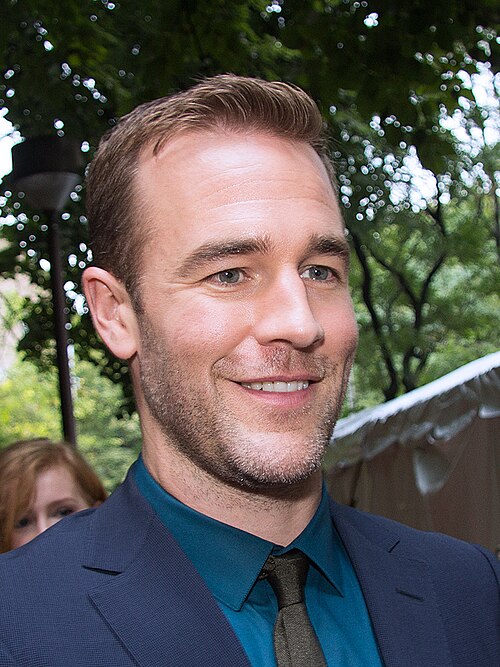
James Van Der Beek died in 2026 at 48, after a stage III colorectal cancer diagnosis in 2023. He, too, was younger than 50, the group in which rates have been climbing.
Kirstie Alley died in 2022 at 71, months after a stage 4 colon cancer diagnosis. Ryuichi Sakamoto, the composer, died in 2023 at 71; he announced in January 2021, after surgery, that he had rectal cancer; he had earlier been treated for throat cancer.
A note on the record: Farrah Fawcett, who died in 2009 at 62, appears on this list because our Wikidata-sourced data records colorectal cancer, but her Wikipedia biography gives anal cancer as the cause. Anal cancer is a separate disease with different risk factors, so she is a poor example of colorectal cancer.
Across the notable people on this list, the median age at death is 62, with the middle half dying between about 56 and 74. The youngest was 40 and the oldest 93, and men outnumber women 27 to 9. Notable people are not a representative sample of anyone, causes of death come from Wikidata and can be incomplete or loose, as the Fawcett case shows, and the list stretches back to the 14th century, long before screening existed.
The short version
- US screening guidance starts at 45, and many tests, not just colonoscopy, count.
- Processed meat, alcohol, smoking, excess weight and inactivity all raise risk.
- Family history doubles risk, and a small share of people carry inherited syndromes such as Lynch syndrome that need earlier checks.
- Rates are rising in adults under 50 for reasons still being studied, so rectal bleeding, bowel changes or anemia at any age deserve a doctor's look.
Sources
- WHO: Colorectal cancer fact sheet - global cases and deaths, main risk factors.
- WHO: Q&A on red meat and processed meat - Group 1 and 2A meaning.
- IARC: Press release 240, red meat and processed meat - 2015 classification and the 18% per 50 g estimate.
- American Cancer Society: Key statistics for colorectal cancer - US cases, deaths and the under-50 trend.
- American Cancer Society: Colorectal cancer risk factors - family history, syndromes, ethnicity, lifestyle.
- American Cancer Society: Can colorectal cancer be prevented? - diet, alcohol, NSAIDs, vitamin D.
- National Cancer Institute: Colorectal cancer prevention (PDQ) - factors that raise, lower or do not affect risk.
- National Cancer Institute: Physical activity and cancer - 19% lower colon cancer risk in the most active.
- National Cancer Institute: Why is early-onset cancer on the rise? - global early-onset trend and suspected causes.
- National Cancer Institute: Possible signs of colorectal cancer in younger adults - four warning signs under 50.
- CDC: Colorectal cancer risk factors - age, lifestyle, conditions, screening from 45.
- CDC: Symptoms of colorectal cancer - early disease can be silent.
- USPSTF: Colorectal cancer screening recommendation - ages, grades, tests and intervals.
- NHS: Bowel cancer screening - England's program, ages 50 to 74.
- NHS: Bowel cancer symptoms - symptoms and when to seek help.
- NHS: Bowel cancer causes - risk factors and lifestyle advice.
How this was sourced
We summarized public health authorities and peer-reviewed research, linked at each claim, and checked the named people against their published biographies. This page is not medical advice and does not replace a doctor. If you are worried about your own risk, family history or symptoms, talk to a doctor about it.