Breast cancer is a cancer that forms in the cells of the breast, most often in the milk ducts or the glands that make milk. It is the most commonly diagnosed cancer in women worldwide: the World Health Organization estimates 2.4 million women were diagnosed and 694,000 people died of it in 2024, and that it was the most common cancer in women in 164 of 186 countries. In the United States, the American Cancer Society expects about 321,910 new invasive cases and about 42,140 deaths among women in 2026.
It is also a cancer where the outlook has changed a great deal. The ACS reports that US breast cancer death rates fell by 44% from 1989 through 2023, which it credits mainly to earlier detection, greater awareness and better treatment.
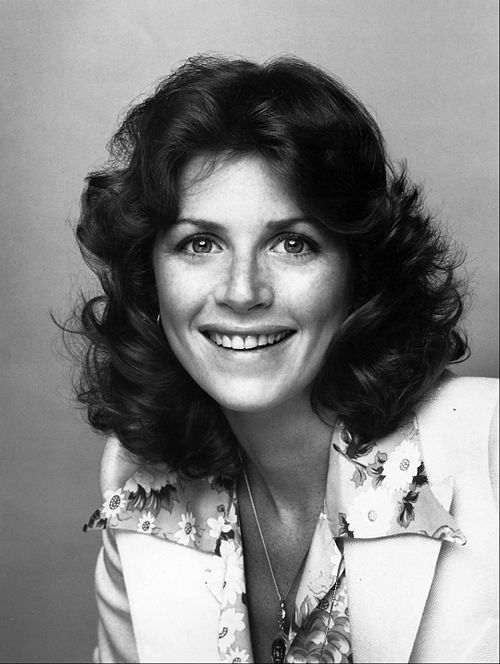
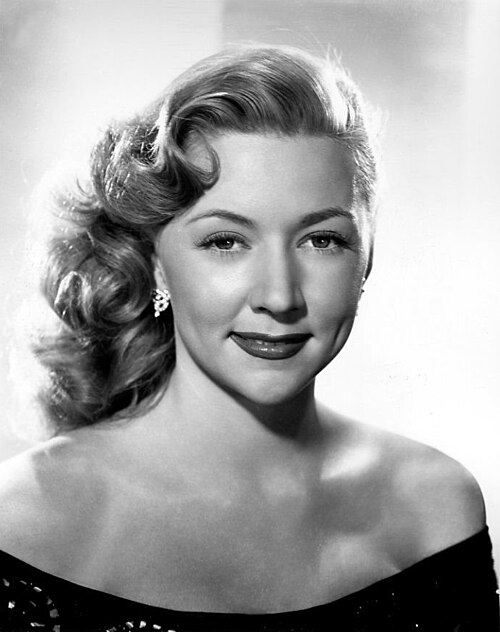
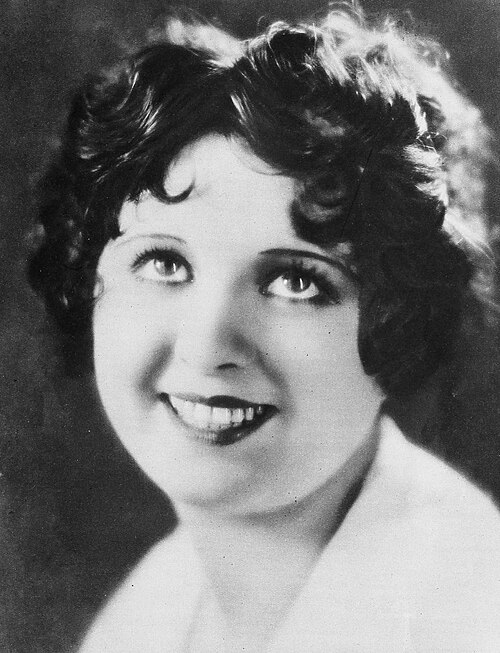
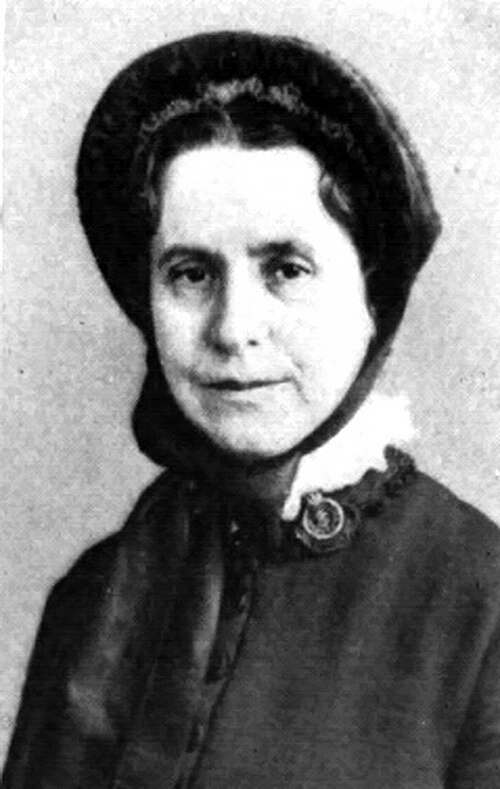
Every person on the list above is a woman, and their median age at death is 63. That is noticeably younger than the US figure: the National Cancer Institute's SEER program puts the median age at death from breast cancer at 71. Several of the women on the list died in their 50s, and many of the deaths are from the decades before modern drug treatment and wide mammography.
What is breast cancer?
Cancer begins when cells pick up DNA changes that let them grow out of control. In the breast, many tumors are fueled by the hormones estrogen and progesterone, which is why so many risk factors trace back to how long, and how strongly, breast tissue has been exposed to those hormones over a lifetime. The CDC notes that starting periods early or reaching menopause late lengthens that lifetime hormone exposure.
Stage at diagnosis drives survival. SEER data show that 64% of US breast cancers are found while still confined to the breast, and five-year relative survival is 100% for those cases, 87.5% when nearby lymph nodes are involved, and 33.8% once the cancer has spread to distant organs.
Which risk factors can't be changed?
Sex and age
Being female is the largest single factor. The WHO says about 99% of breast cancers occur in women, and that approximately 80% occur in women with no specific risk factors other than sex and age. In other words, most women who get it have no known risk factor beyond sex and age. The CDC says most breast cancers are diagnosed after 50, and the ACS puts the median age at diagnosis at 63, while noting that about 1 in 10 women diagnosed are under 45. Its estimate of the lifetime chance of a diagnosis for a US woman is about 1 in 8.
Inherited genes
The American Cancer Society estimates that up to 10% of breast cancers are hereditary. The best-known genes are BRCA1 and BRCA2. The US Preventive Services Task Force says harmful variants in them raise breast cancer risk to about 45% to 65% by age 70, and that they occur in roughly 1 in 300 to 500 women, but about 2.1% of Ashkenazi Jewish women. The WHO also names PALB2 as a gene whose variants greatly raise risk.
Family history
Even without a known gene, family history counts. The ACS says one first-degree relative with breast cancer almost doubles a woman's risk, and two can triple it. The CDC adds that a male relative with breast cancer or a relative diagnosed young should also be taken into account.
Ancestry
The ACS says White women are slightly more likely to develop breast cancer than Black women, but Black women have the highest death rate. SEER's age-adjusted rates are 25.9 deaths per 100,000 for non-Hispanic Black women, 19.1 for non-Hispanic White women and 11.8 for Asian and Pacific Islander women. The USPSTF notes that Black women are more likely to be diagnosed beyond stage I and with triple-negative cancers.
Breast tissue and past conditions
Dense breast tissue is linked to higher risk and, the CDC notes, can make tumors harder to see on a mammogram. Some benign findings matter too: the ACS says women with atypical hyperplasia are about 4 to 5 times more likely to develop breast cancer.
Chest radiation when young
Radiation to the chest in youth, such as for Hodgkin lymphoma, raises later risk. The CDC flags radiation before age 30, and the ACS says radiation after about 40 to 45 does not seem to increase risk.
Which risk factors can be changed?
Alcohol
Alcohol is one of the clearest modifiable factors. The National Cancer Institute's prevention summary says risk rises with intake, by about 7% for each additional daily drink. Its alcohol fact sheet puts breast cancer at 1.04 times as likely in light drinkers, 1.23 times in moderate drinkers and 1.6 times in heavy drinkers compared with nondrinkers. The ACS states that no amount of alcohol is completely safe. The NHS advises not drinking more than 14 units a week.
Weight after menopause
Weight matters mainly after menopause. The ACS says being overweight or obese after menopause increases breast cancer risk. In the Women's Health Initiative, the NCI notes, postmenopausal women weighing over 82.2 kg had 2.85 times the risk of those under 58.7 kg, though the NCI adds it is uncertain whether losing weight lowers risk.
Physical activity
The NCI reports a 2016 meta-analysis of 38 cohort studies in which the most active women had a 12% to 21% lower risk than the least active, with similar reductions before and after menopause. The ACS suggests 150 to 300 minutes of moderate activity a week.
Menopausal hormone therapy
The type of hormone therapy matters. In the Women's Health Initiative trials, reported in JAMA in 2020 after more than 20 years of follow-up, estrogen plus progestin raised breast cancer incidence (hazard ratio 1.28), while estrogen alone lowered it (hazard ratio 0.78) and was linked to fewer breast cancer deaths. The NCI says the extra risk from combined therapy lasts for at least a decade after it is stopped. Women with a uterus are usually given combined therapy because, the ACS explains, estrogen alone can raise the risk of cancer of the uterus. The NCI summary estimates about 1 extra case for every 50 women who start combined therapy at 50 and take it for 5 years. The NHS notes that for many people the benefits of HRT outweigh the risks.
Pregnancy and breastfeeding
Childbearing choices are rarely made for cancer reasons, but they do shift risk. The NCI's summary of pooled data from many countries says the relative risk of breast cancer falls 4.3% for every 12 months of breastfeeding, on top of 7% for each birth. The ACS says a first pregnancy at 35 or later slightly raises risk.
Birth control pills
The ACS says oral contraceptives carry a slightly higher risk that seems to return to normal within a few years of stopping. The NHS says the pill and HRT only slightly increase risk.
Medicines and surgery for women at high risk
For women at increased risk, the USPSTF recommends that clinicians offer risk-reducing medicines such as tamoxifen, raloxifene or aromatase inhibitors, if their risk of side effects is low. Over 5 years, per 1,000 women, it estimates 7 fewer invasive cancers with tamoxifen, 9 with raloxifene and 16 with aromatase inhibitors, against harms such as blood clots. It advises against them for women not at increased risk. For carriers of high-risk genes, the NCI says removing both breasts can cut risk by as much as 90%.
What does not cause breast cancer?
- Antiperspirants and deodorants. The NCI says there is no evidence linking the chemicals they usually contain to changes in breast tissue.
- Bras. The ACS says no scientific or clinical data show that wearing a bra changes breast cancer risk.
- Abortion or miscarriage. According to the ACS, research finds that neither has an overall effect on breast cancer risk.
- Breast implants. They have not been shown to raise breast cancer risk, the ACS says, though they are linked to a rare lymphoma.
Can it be caught early?
Yes. Mammograms can find cancers too small to feel, and this is the area where guidance has recently changed.
United States
In April 2024, the US Preventive Services Task Force moved its starting age down: it now recommends a mammogram every two years for women aged 40 to 74 (grade B). Its 2016 guidance had recommended routine screening from 50, with women in their 40s deciding individually. For women 75 and older, and for extra ultrasound or MRI in women with dense breasts, the task force says the evidence is not sufficient to weigh benefit against harm.
Its models estimate that starting at 40 rather than 50 would avert about 1.3 more breast cancer deaths per 1,000 women, and about 1.8 for Black women. The cost is more false alarms: biennial screening from 40 to 74 would bring about 1,376 false-positive results and about 14 overdiagnosed cancers per 1,000 women over a lifetime. The guidance does not cover women with BRCA variants or past chest radiation, who are managed separately. The task force recommends that women with a personal or family history of breast, ovarian, tubal or peritoneal cancer, or with BRCA-linked ancestry, be assessed with a brief risk tool and offered genetic counseling if it flags them.
United Kingdom
The NHS invites women registered with a GP from age 50 up to their 71st birthday, every 3 years. Women over 71 are no longer invited automatically but can still book a mammogram every 3 years by calling their local service. The NHS describes overdiagnosis, finding cancers that would never have been life-threatening, as the main risk of breast screening.
What about breast cancer in men?
Men have breast tissue too, and can get the disease, though rarely. The ACS expects about 2,670 US men to be diagnosed and about 530 to die of it in 2026, and puts a man's lifetime risk at about 1 in 755. The NHS lists risk factors including being over 60, a faulty BRCA gene, past chest radiotherapy, and higher estrogen levels from obesity, long-term liver damage or Klinefelter syndrome. The usual first sign is a lump or swelling in the chest or armpit, or changes to the nipple. The NHS says a GP should check these symptoms, even though many have other causes. None of the notable people on our list is a man.
When should someone see a doctor?
The NHS advises seeing a GP for any of these:
- A lump or swelling in the breast, chest or armpit
- Dimpling or a change in skin color, or a change in the size or shape of a breast
- Nipple discharge outside pregnancy or breastfeeding, especially with blood, or a nipple that turns inward or develops a rash
- Breast or armpit pain in someone with a family history of breast or ovarian cancer
The NHS notes that having these symptoms does not definitely mean cancer, and that breast pain on its own is not usually a sign of it.
What do the famous cases show?
Minnie Riperton, the singer known for her five-octave range, is the youngest on the list. She was diagnosed in 1976, had a radical mastectomy, and was one of the first celebrities to speak publicly about breast cancer; she died in 1979 at 31. Linda McCartney was diagnosed in 1995, the cancer later reached her liver, and she died in 1998 at 56.
Shannen Doherty was diagnosed in 2015, announced remission in 2017, then said in 2020 that the cancer had returned at stage IV. She died in 2024 at 53. Helen McCrory died of breast cancer in 2021 at 52, and Kelly Preston in 2020 at 57, about two years after a diagnosis she kept largely private.
The median age at death among the notable people on this list is 63, with the middle half dying between 56 and 73, the youngest at 31 and the oldest at 81. All of them are women. Treat these figures with caution. Notable people are not a representative sample. Causes of death are taken from Wikidata and can be incomplete. And history matters: deaths from the 1970s and 1980s happened before modern targeted and hormone drugs, and before mammography was routine, so they say little about the outlook for someone diagnosed now.
The short version
- Most breast cancer arises in women with no risk factor beyond sex and age, so screening matters as much as prevention.
- In the US, the USPSTF now recommends a mammogram every two years from 40 to 74; the NHS screens every 3 years from 50 to 71.
- Alcohol, weight gain after menopause, inactivity and combined hormone therapy are the main risks a woman can change.
- BRCA variants and a strong family history raise risk sharply; genetic counseling, medicines and surgery are options for women at high risk.
- Antiperspirants, bras, abortion and implants are not causes.
Sources
- World Health Organization: Breast cancer fact sheet - global cases and deaths, share in women, 80% with no risk factor beyond sex and age, PALB2.
- American Cancer Society: Key Statistics for Breast Cancer - 2026 US estimates, lifetime risk, median age, death-rate decline, racial differences.
- American Cancer Society: Breast Cancer Risk Factors You Cannot Change - hereditary share, family history, atypical hyperplasia, radiation.
- American Cancer Society: Lifestyle-related Breast Cancer Risk Factors - alcohol, weight, activity, pregnancy, birth control, hormone therapy.
- American Cancer Society: Disproven or Controversial Breast Cancer Risk Factors - bras, abortion, implants.
- American Cancer Society: Key Statistics for Breast Cancer in Men - US cases, deaths and lifetime risk in men.
- CDC: Breast Cancer Risk Factors - age, hormones, dense breasts, family history, radiation before 30.
- National Cancer Institute SEER: Cancer Stat Facts, Female Breast Cancer - median age at death, survival by stage, death rates by race.
- National Cancer Institute: Breast Cancer Prevention (PDQ, health professional) - alcohol per drink, weight, hormone therapy, breastfeeding, risk-reducing mastectomy.
- National Cancer Institute: Alcohol and Cancer Risk - breast cancer risk by drinking level.
- National Cancer Institute: Physical Activity and Cancer - 12% to 21% lower risk in the most active women.
- National Cancer Institute: Menopausal Hormone Therapy and Cancer - lasting risk after combined therapy.
- National Cancer Institute: Common Cancer Myths and Misconceptions - antiperspirants.
- JAMA (2020): Menopausal Hormone Therapy and Breast Cancer in the Women's Health Initiative trials - estrogen alone versus estrogen plus progestin.
- US Preventive Services Task Force: Breast Cancer Screening (2024) - biennial mammography 40 to 74, benefits and harms, Black women.
- US Preventive Services Task Force: BRCA-Related Cancer Risk Assessment and Genetic Testing - BRCA risk and prevalence, who to assess.
- US Preventive Services Task Force: Medication Use to Reduce Breast Cancer Risk - tamoxifen, raloxifene, aromatase inhibitors.
- NHS: Causes of breast cancer in women - risk factors, alcohol units, HRT and the pill.
- NHS: Symptoms of breast cancer in women - signs, breast pain, when to see a GP.
- NHS: Who breast screening is for - ages 50 to 71, every 3 years, over-71s.
- NHS: Why breast screening is done - overdiagnosis as the main risk.
- NHS: Causes of breast cancer in men - risk factors in men.
- NHS: Symptoms of breast cancer in men - signs in men.
How this was sourced
This article summarizes guidance from public health authorities and findings from peer-reviewed research, each linked at the claim it supports. The famous cases draw on our own records, checked against each person's published biography. We are not doctors and this is not medical advice: anyone concerned about their own risk, or about when to start screening, should talk to a doctor.