Prostate cancer is a cancer that starts in the prostate, the small gland below the bladder that makes part of the fluid in semen. It is very common and, in most men, slow. The American Cancer Society expects about 333,830 new US cases and about 36,320 deaths in 2026, and says that apart from skin cancer it is the most common cancer in American men and the second-leading cause of cancer death in men, after lung cancer.
The gap between those two numbers is the key to the disease. The ACS puts the lifetime chance of a diagnosis at about 1 in 8 men, but the chance of dying of it at about 1 in 49. Many men die with prostate cancer rather than from it, and the hard part, for doctors and for screening policy, is telling the dangerous tumors from the harmless ones.
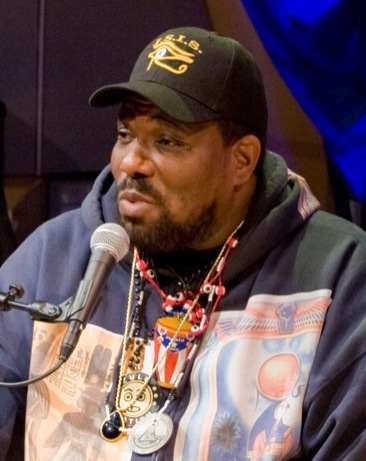
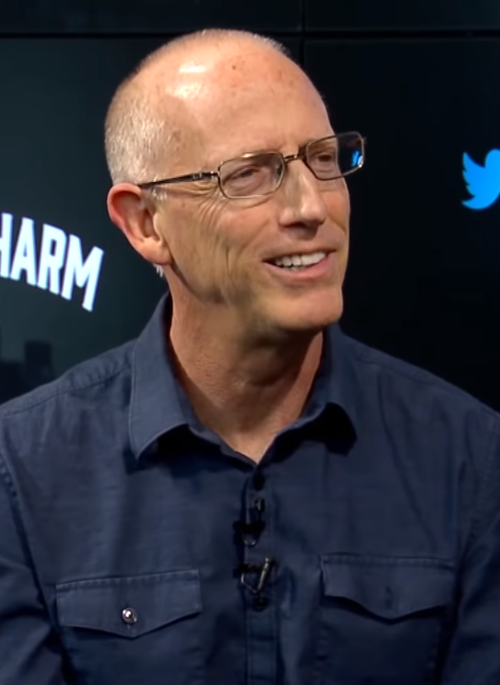
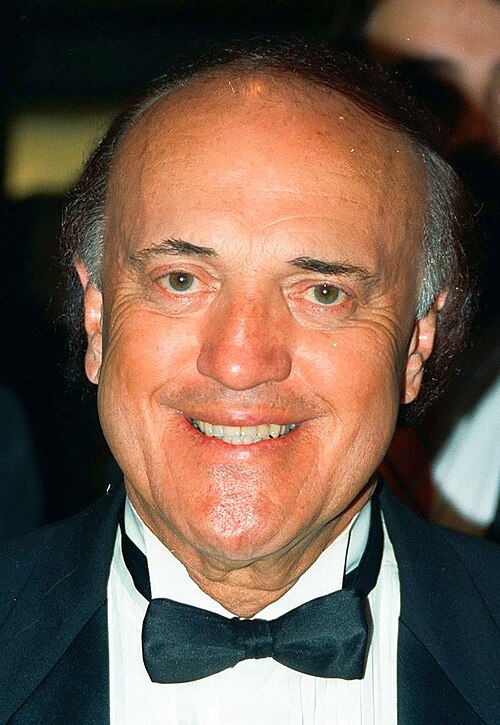
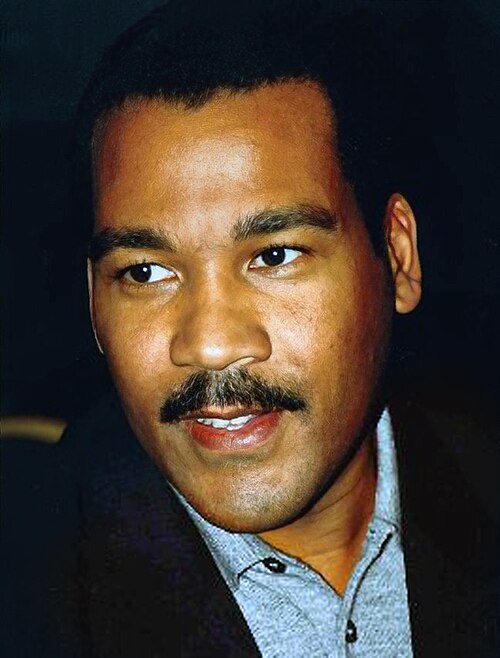
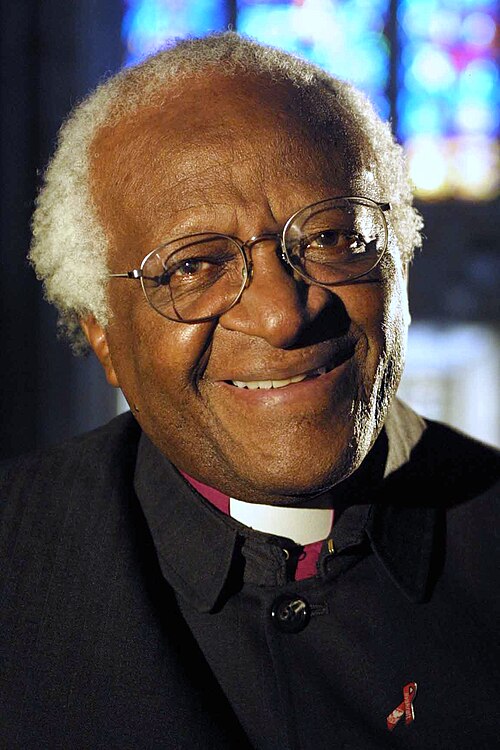
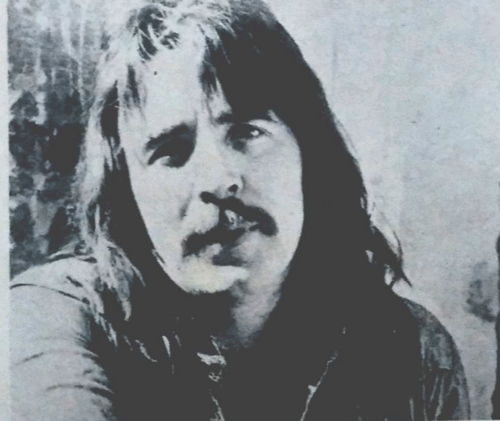
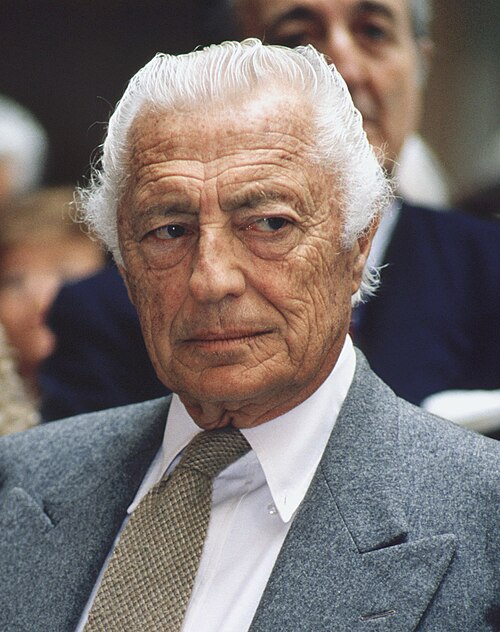
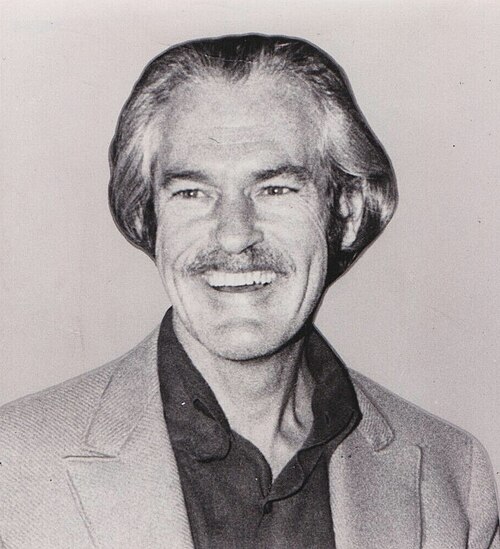
The people on the list above are all men, as expected, and their median age at death is 73.5. That is younger than the national figure: the National Cancer Institute's SEER program puts the median age at death from prostate cancer at 79. Two of the best-known names on the list died in their 50s.
What is prostate cancer?
Like any cancer, it begins when cells gather DNA changes that let them grow without the usual brakes. Prostate cells depend on male hormones, and the NCI notes that dihydrotestosterone (DHT), a hormone the prostate needs for normal growth, may also play a part in the development of prostate cancer. That link is why some drugs that block DHT have been tested for prevention, and why hormone therapy is a mainstay of treatment for advanced disease.
The early disease is usually quiet. The NHS says prostate cancer often has no symptoms at first, because it tends to begin in the outer part of the gland, away from the tube that carries urine, and only causes trouble once it has grown or spread.
Outcomes depend heavily on stage. SEER data show that 69.5% of US prostate cancers are diagnosed while still confined to the prostate, and for those cases five-year relative survival is 100%. For cancer that has already spread to distant organs, the figure drops to 40.1%.
Which risk factors can't be changed?
Age
Age is the strongest factor. The CDC calls it the most common risk factor, and the American Cancer Society says the disease is rare before 40 while risk rises rapidly after age 50. According to the ACS, about 6 in 10 prostate cancers are found in men 65 or older, and the average age at diagnosis is about 68.
Black ancestry
Black men carry a clearly higher burden. The CDC says African American men are more likely to get prostate cancer at a younger age, be diagnosed at a later stage, and die from it. SEER's age-adjusted death rate for non-Hispanic Black men is 36.2 per 100,000, against 18.1 for non-Hispanic White men and 8.7 for Asian and Pacific Islander men. The ACS says risk is also higher in Caribbean men of African ancestry, lower in Asian American and Hispanic men, and that the reasons for these differences are not clear. In the UK, the NHS lists a Black African or African Caribbean background among the factors that raise risk.
Family history
The ACS says a father or brother with prostate cancer more than doubles a man's risk, that a brother counts for more than a father, and that risk is much higher when several relatives were affected, especially at young ages. The CDC suggests looking at both sides of the family, three generations back, and counting relatives with breast, ovarian or pancreatic cancer as well.
Inherited genes
Those other cancers matter because some of the same genes are involved. The NHS explains that a faulty BRCA2 gene can cause prostate cancer as well as breast and ovarian cancer. The ACS links BRCA2 and BRCA1, the Lynch syndrome genes and a rare HOXB13 change to higher risk, and estimates that inherited gene changes are a major factor in up to 10% of prostate cancers.
Which risk factors can be changed?
The ACS says there is no sure way to prevent prostate cancer, and that many of its risk factors, such as age, race and family history, cannot be controlled. The evidence below is mostly about how aggressive the disease becomes, not whether it appears at all.
Body weight
Weight seems to matter more for dangerous prostate cancer than for prostate cancer overall. The ACS says obesity does not seem to raise the overall chance of getting the disease, but men with excess body weight have a higher risk of advanced prostate cancer, though not every study agrees. A 2011 meta-analysis in Cancer Prevention Research found that each 5-point rise in body mass index was linked to a 15% higher risk of dying of prostate cancer in population cohorts, and to a 21% higher risk of the cancer returning after treatment.
Smoking
Smoking does not appear to cause more prostate cancers, but it is tied to worse outcomes. A 2010 meta-analysis of 24 cohort studies in the American Journal of Public Health found no significant rise in the chance of a diagnosis among current smokers, yet a 14% to 17% higher risk of dying of prostate cancer, depending on which studies were pooled. The ACS likewise says most studies find no link to getting the disease and that a small increased risk of dying from it still needs confirming.
Diet, dairy and calcium
Diet evidence is thin. The ACS says men who eat a lot of dairy may have a slightly higher chance of prostate cancer, while most studies found no link with the amount of calcium in a normal diet. The NCI says a diet high in dairy and calcium may cause a small increase in risk, and that it is not known whether eating less fat or more fruit and vegetables lowers risk. Vegetables, soy and coffee have not been consistently linked to prostate cancer either way, according to the ACS.
Folic acid and multivitamins
The NCI reports that a 10-year study found higher risk in men taking folic acid supplements, while men who got enough folate from food had lower risk. Ordinary multivitamin use has not been shown to raise the risk of early cancer, but one large study tied taking them more than seven times a week to more advanced prostate cancer.
Chemical and work exposures
The ACS notes some studies linking arsenic to higher risk, some evidence for firefighters, and that the National Academies found limited or suggestive evidence of a link with Agent Orange, the herbicide used in Vietnam.
Physical activity
The ACS includes being physically active in its prevention advice, alongside keeping a healthy weight and eating plenty of vegetables, fruit and whole grains.
Drugs that block DHT
Two large trials tested finasteride and dutasteride, drugs already used for an enlarged prostate. The NCI says both lowered the number of prostate cancers, but it is not known whether they reduce deaths: in the finasteride trial, deaths from prostate cancer were the same in both groups. The ACS adds that the drugs cut low-grade cancers while men had about the same risk of higher-grade disease. Side effects were more common in both trials, and the ACS says most doctors do not recommend these drugs just for prostate cancer prevention.
What does not cause prostate cancer?
An enlarged prostate
Benign prostate enlargement is very common with age and causes some of the same urinary symptoms. The NHS is direct about it: an enlarged prostate is not caused by prostate cancer and does not raise the risk of getting it.
Vasectomy
Fears about vasectomy have circulated for decades. A 2017 systematic review in JAMA Internal Medicine pooled 53 studies and found only a weak link with any prostate cancer, and none with high-grade, advanced or fatal disease. Even if the weak link were causal, which the authors doubt, it would add about 0.6% to lifetime risk. The ACS also describes the evidence as mixed, with some studies finding a slightly increased risk and others none.
Vitamin E and selenium as protection
The reverse myth is that supplements protect the prostate. The large SELECT trial found that selenium, alone or with vitamin E, did not lower risk, and that vitamin E taken alone increased the risk of prostate cancer, an effect that lasted after men stopped, according to the NCI. The NCI also says it has not been proven that lycopene supplements reduce risk.
Sexually transmitted infections and prostatitis
These are often blamed, but the ACS says study results on gonorrhea and chlamydia conflict, with no firm conclusion, and that prostate inflammation has been linked to higher risk in some studies but not others.
Can it be caught early?
Yes, with a blood test for prostate-specific antigen (PSA), but whether testing healthy men does more good than harm is one of the most debated questions in cancer screening. A raised PSA does not mean cancer: the NHS says an enlarged prostate, a urine infection, recent ejaculation and even cycling or vigorous exercise in the previous 48 hours can push the number up.
United States
The US Preventive Services Task Force, in guidance released in 2018, says that for men aged 55 to 69 PSA screening is an individual decision to make with a clinician (a grade C recommendation), and it recommends against PSA screening for men 70 and older. Its estimate for 1,000 men aged 55 to 69 invited to screening over about 13 years is roughly 1.3 prostate cancer deaths and 3 cases of spread cancer prevented, against 240 positive tests, 220 biopsies and 100 diagnoses. It estimates that 20% to 50% of screen-detected cancers are overdiagnosed, meaning they would never have caused harm, and notes that about 2 in 3 men have long-term erection problems after radical prostatectomy.
The trial evidence explains the caution. In the European ERSPC trial of men 55 to 69, screening cut prostate cancer deaths by about 20%, and at 16 years about 570 men had to be invited and 18 diagnosed to prevent one death, the NCI summary says. The US PLCO trial, in which many men in the comparison group were tested anyway, found no significant drop in prostate cancer deaths.
The task force adds that Black men and men with a family history are at higher risk. It found too little evidence for separate advice, but suggests telling Black men about their higher risk so they can make an informed choice, and says men with a close relative (a father or brother) who had advanced or fatal prostate cancer are probably the most likely to benefit.
United Kingdom
The UK has no national prostate screening program. The NHS says anyone with a prostate can ask a GP about a PSA test, that routine testing is offered only to men found to carry a faulty BRCA2 gene, and that a result may be inaccurate and could lead to tests and treatment that are not needed.
When should someone see a doctor?
Prostate cancer is not an emergency condition, but the NHS lists these signs as worth a GP visit:
- Trouble starting to pee, straining, a weak or stop-start flow
- Needing to pee often or urgently, including at night, or feeling the bladder has not emptied
- Blood in urine or semen, or new erection problems
- Lower back pain or weight loss without trying, which may point to advanced cancer
Most urinary symptoms in older men come from a benign enlarged prostate, not cancer, but only a check can tell. The NHS also advises seeing a GP for anyone over 40 who has tested positive for a faulty BRCA2 gene.
What do the famous cases show?
Frank Zappa is the youngest well-known name on the list. He died in 1993 at 52, about three years after being told he had prostate cancer that had been growing unnoticed for years and could not be operated on. Bill Bixby, star of The Incredible Hulk, died the same year at 59, less than three years after his diagnosis.
Dennis Hopper died in 2010 at 74, months after his diagnosis with advanced prostate cancer was made public. William Hurt died in 2022 at 71 of prostate cancer that had spread. Merv Griffin, creator of Jeopardy! and Wheel of Fortune, was first treated in 1996; the cancer came back, and he died in 2007 at 82.
The median age at death among the notable people on this list is 73.5, with the middle half dying between about 65 and 81, the youngest at 52 and the oldest at 98. Every person on the list is a man. Read these numbers with care. Notable people are not a representative sample of anyone. Causes of death come from Wikidata and can be incomplete or loose, especially for older deaths. And history matters: many of these men died before modern imaging, PSA testing and newer hormone drugs, so their cases say little about the outlook for a man diagnosed today.
The short version
- Age, Black ancestry, family history and inherited genes such as BRCA2 are the main drivers of risk, and none of them can be changed.
- Excess weight and smoking are linked less to getting prostate cancer than to dying of it.
- Supplements do not protect the prostate; vitamin E alone raised risk in a large trial.
- In the US, PSA screening for men 55 to 69 is a personal decision with a clinician; in the UK, men can ask their GP for a test.
- Caught while still inside the prostate, the disease has a very high five-year survival; once it has spread, outcomes are far worse.
Sources
- American Cancer Society: Key Statistics for Prostate Cancer - 2026 US cases and deaths, lifetime risk, age at diagnosis.
- American Cancer Society: Prostate Cancer Risk Factors - age, ancestry, family history, genes, diet, smoking, exposures, vasectomy, infections.
- American Cancer Society: Can Prostate Cancer Be Prevented? - weight, activity, dairy, supplements, finasteride and dutasteride.
- CDC: Risk Factors for Prostate Cancer - age, African American men, family history across generations.
- National Cancer Institute SEER: Cancer Stat Facts, Prostate Cancer - median age at death, survival by stage, death rates by race.
- National Cancer Institute: Prostate Cancer Prevention (PDQ) - DHT, SELECT trial, folic acid, multivitamins, lycopene, finasteride and dutasteride trials.
- National Cancer Institute: Prostate Cancer Screening (PDQ, health professional) - ERSPC and PLCO trial results.
- US Preventive Services Task Force: Prostate Cancer Screening - grade C for 55 to 69, grade D for 70+, benefits and harms per 1,000 men.
- NHS: Prostate cancer causes - age, Black ethnicity, family history, BRCA2.
- NHS: Symptoms of prostate cancer - early disease often silent, symptoms and when to see a GP.
- NHS: PSA test - UK access to testing, BRCA2 carriers, what raises PSA, accuracy limits.
- NHS: Benign prostate enlargement - enlargement does not raise prostate cancer risk.
- Cancer Prevention Research (2011): Body mass index, prostate cancer-specific mortality and biochemical recurrence - BMI and death and recurrence.
- American Journal of Public Health (2010): Smoking as a risk factor for prostate cancer - smoking and incidence versus mortality.
- JAMA Internal Medicine (2017): Vasectomy and prostate cancer - 53-study review, no link with aggressive disease.
How this was sourced
This article summarizes guidance from public health authorities and findings from peer-reviewed research, each linked at the claim it supports. The famous cases draw on our own records, checked against each person's published biography. We are not doctors and this is not medical advice: anyone worried about their own risk, or weighing a PSA test, should talk it through with a doctor.