Heart failure is a long-term condition in which the heart still beats but can no longer pump enough blood to meet the body's needs. It sits inside a much larger group, cardiovascular disease, which covers the heart and blood vessels as a whole. That group is the leading cause of death on the planet: the World Health Organization estimates that 19.8 million people died from cardiovascular disease in 2022, about 32% of all deaths worldwide.
In the United States, the CDC counts 919,032 cardiovascular deaths in 2023, or 1 in every 3 deaths. Heart failure alone was mentioned on 452,573 US death certificates in 2023, and the agency estimates that nearly 6.7 million adults aged 20 and over are living with it.
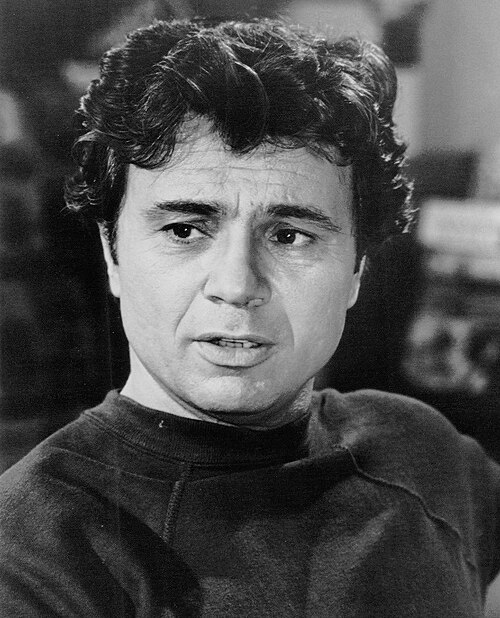
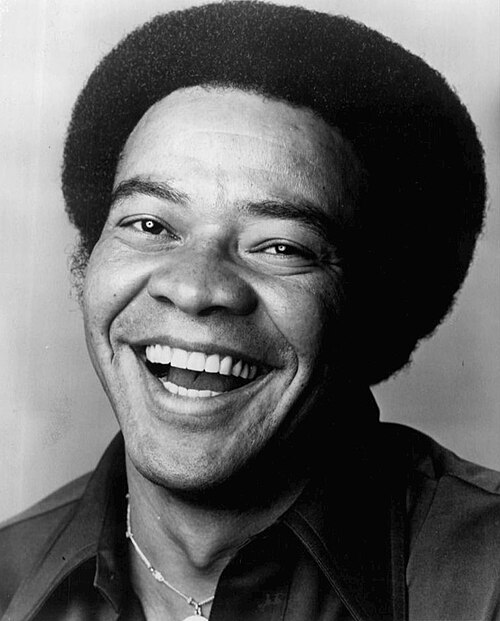
The people on the list above mostly died old. The median age at death is 80, and half of them died between 68 and 89. That fits the disease: heart failure is usually the end point of years of strain on the heart from other conditions, so it gathers in later life. The list also leans heavily male, with 134 men and 37 women, and it reaches back centuries, because "heart disease" and "heart failure" were recorded as causes long before modern cardiology could say what lay behind them.
What is heart failure, and how does it differ from heart disease?
The name misleads people. The National Heart, Lung, and Blood Institute stresses that the term does not mean the heart has stopped. What happens instead is that the pump weakens or stiffens, so blood backs up and fluid collects in the lungs, legs and abdomen. The CDC describes it as a heart that cannot move enough blood and oxygen to support the other organs. It can arrive suddenly or develop slowly, and it can affect the left side of the heart, the right side or both; the NHLBI notes that the two sides may have different causes.
"Heart disease" and "cardiovascular disease" are broader labels. The WHO groups under cardiovascular disease coronary heart disease, cerebrovascular disease, peripheral arterial disease, rheumatic and congenital heart disease, and clots in the deep veins and lungs. The NHS describes the most common form, coronary heart disease, as fatty build-up that narrows the arteries feeding the heart. Coronary disease is also one of the main routes into heart failure, because a heart starved of blood, or scarred by a heart attack, pumps less well. Sudden blockages are covered separately in our page on heart attack, and those in the brain on our page on stroke.
Doctors also talk about two broad kinds of heart failure: one where the heart muscle has weakened and squeezes poorly, and one where it has stiffened and fills poorly. The NHLBI notes that women more often have the stiff type and men the weak type, and that high blood pressure is a main driver of the stiff type.
Which risk factors can't be changed?
Age
Risk rises steadily over a lifetime. The NHLBI says people 65 or older are at higher risk, and the NHS says cardiovascular disease mainly affects people over 50. It is not only a disease of the very old, though: the CDC reports that in 2023 about 1 in 6 cardiovascular deaths were in adults younger than 65.
Sex
The NHS lists being male as a risk factor for cardiovascular disease, and the NHLBI says men often develop heart failure at a younger age than women. That is a difference in timing, not immunity. The CDC is blunt that heart disease is the number one killer of both men and women.
Family history and genes
The NHLBI says a family history of heart failure raises risk, and that some inherited gene changes can leave heart muscle weaker or less flexible. The CDC adds that inherited risk climbs further when it combines with unhealthy habits.
Ethnic background
In the US, the NHLBI reports that Black Americans are more likely to develop heart failure, often more severe and at a younger age. The CDC's figures show heart disease caused 22.6% of deaths among non-Hispanic Black adults in 2021, against 17.4% across all groups. In the UK, the NHS lists South Asian, Black African and African Caribbean backgrounds as carrying higher risk.
Other conditions present from birth or outside a person's control
The NHLBI's list of contributors includes congenital heart defects, valve problems, irregular rhythms such as atrial fibrillation, chronic kidney disease, anemia, thyroid disease and iron overload, as well as some cancer treatments, including radiation and chemotherapy. The NHS adds cardiomyopathy and haemochromatosis.
Which risk factors can be changed?
Most heart failure grows out of other conditions that strain the heart for years. The WHO says most cardiovascular disease can be prevented by tackling diet, inactivity, tobacco, harmful drinking and air pollution, and that drug treatment of blood pressure, diabetes and blood fats is also needed for people at risk.
High blood pressure
Raised pressure forces the heart to work harder with every beat, and over time the muscle thickens and stiffens. The CDC names high blood pressure, high cholesterol and smoking as the three key risk factors for heart disease. It is also extremely common: the CDC estimates that 48.1% of US adults, or 119.9 million people, have high blood pressure, and that only about 1 in 4 of them has it under control.
Salt is one of the levers. The CDC says Americans eat more than 3,300 mg of sodium a day on average, against a federal guideline of less than 2,300 mg for teens and adults, and that most of it comes from processed and restaurant food rather than the salt shaker.
Coronary artery disease and past heart attacks
The CDC puts coronary artery disease and heart attacks at the top of its list of conditions that lead to heart failure. Coronary heart disease alone killed 371,506 Americans in 2022, according to the agency.
Cholesterol
High LDL ("bad") cholesterol can build up in artery walls, the CDC explains, and a simple blood test called a lipid profile measures it. For adults aged 40 to 75 who have at least one risk factor and an estimated 10-year cardiovascular risk of 10% or more, the US Preventive Services Task Force recommends that clinicians prescribe a statin. The NHS likewise says people at high risk may be advised to take statins.
Smoking
Smoking harms the heart directly and speeds up artery disease. A 2019 meta-analysis of seven prospective cohorts with 42,759 participants found that current smokers had about a 61% higher risk of developing heart failure than non-smokers (hazard ratio 1.61). Former smokers still carried some extra risk, a hazard ratio of about 1.21 compared with people who never smoked, which suggests quitting helps but the damage does not vanish at once. The CDC adds that secondhand smoke also raises heart disease risk in people who do not smoke.
Diabetes and excess weight
The CDC lists diabetes and obesity among the main conditions that lead to heart failure, and says adults with diabetes are more likely to die of heart disease than those without it. The NHLBI explains that both can stiffen the chambers of the heart. It also lists sleep apnea, which often travels with obesity, as a condition that raises risk.
Physical activity
Active people develop heart failure less often, and the more active, the larger the gap. A 2020 meta-analysis in the European Journal of Epidemiology pooled 29 prospective studies and found that people with the highest leisure-time activity had about a 26% lower risk of heart failure than the least active (relative risk 0.74). Vigorous activity was linked to a 34% lower risk, though that estimate rests on only two studies, and the benefit of leisure-time activity began to level off at around 15 to 20 MET-hours a week. These are observational studies, so fitter people may differ in other ways too.
Alcohol and drugs
The NHLBI lists heavy alcohol use and cocaine or other illegal drugs as lifestyle causes of heart failure, and the NHS names heavy drinkers and cocaine users among those at higher risk. For people who drink, the CDC's heart disease guidance is no more than 1 drink a day for women and 2 for men.
What does not cause heart failure, and what is myth?
"Heart failure means the heart has stopped"
It does not. The NHS states plainly that heart failure does not mean the heart has stopped working or is about to stop. A heart that suddenly stops is cardiac arrest, a different emergency. With treatment, the NHS says heart failure can be stable for many years.
"Heart disease is a man's problem"
The CDC calls heart disease the leading killer of both men and women in the US. The male lean of the list above says more about who became famous in past centuries than about who gets heart disease.
"A glass of red wine a day protects the heart"
WHO Europe says that while some studies have linked light drinking to heart benefits, no studies show those possible benefits outweigh the cancer risk for individual drinkers, and that apparent protective effects depend heavily on how comparison groups are chosen and analyzed.
"People with heart failure should avoid exercise"
Rest is not the standard advice. The CDC includes daily physical activity in usual heart failure treatment, and the NHS lists staying active among the things to do.
Can it be caught early?
There is no routine screening test for heart failure itself in people without symptoms. What exists is screening for the conditions that cause it:
- Blood pressure. The USPSTF recommends screening all adults 18 and over, with a suggested check every year from age 40 or for people at higher risk, and every 3 to 5 years for adults 18 to 39 with a normal prior reading. It also advises confirming a high reading outside the clinic, with home or ambulatory monitoring, before treatment starts.
- Cardiovascular risk and cholesterol. The USPSTF statin recommendation covers adults 40 to 75 and depends on an estimate of 10-year risk, which requires a cholesterol test.
- In the UK, the free NHS Health Check for people aged 40 to 74 assesses the heart and blood vessels and flags people at higher risk.
For people already diagnosed, the CDC says early diagnosis and treatment can improve both quality and length of life.
What are the warning signs?
Heart failure usually builds slowly. The CDC lists the typical signs as shortness of breath during daily activities, trouble breathing when lying down, weight gain with swelling in the feet, legs, ankles or stomach, and general tiredness or weakness. The NHS adds a night-time cough and coughing up frothy pink phlegm, and advises an urgent doctor's appointment or a call to NHS 111 for breathlessness when lying down or after everyday activity, or for sudden weight gain.
Some signs mean an emergency. The NHS says to call 999 for severe difficulty breathing, pale, blue or grey lips or skin, or someone who has collapsed and is not responding normally. Chest pain or pressure may be a heart attack; see the signs on our heart attack page. Call 911 (US), 999 (UK) or 112 (EU) at once.
What do the famous cases show?
Christopher Lee, the actor known for screen villains, died of heart failure in 2015 at 93, near the top of the age range on this list. Jerry Lewis died in 2017 at 91 after a long history of heart trouble; the cause given was end-stage heart disease together with artery disease in the legs. Boris Yeltsin, the first president of Russia, died of congestive heart failure in 2007 at 76, more than a decade after heart attacks and bypass surgery in the 1990s.
One of the youngest notable cases is Andre the Giant, the wrestler, who died of congestive heart failure in 1993 at 46. The list also reaches far back in time. Andrew Jackson, the seventh US president, died in 1845 at 78 of heart failure alongside "dropsy" (fluid build-up) and tuberculosis, a reminder that 19th-century causes of death were described by what doctors could see rather than measure.
Across all the notable people on this list, the median age at death is 80, and three quarters were 68 or older. That is a picture of a disease of later life. The caveats matter, though. Notable people are not a representative sample: they skew male, Western and, for most of history, wealthy. Causes of death come from Wikidata and can be incomplete or loose, and "heart failure" on an old record often just means the heart was the last organ to give out. And history matters: a death from heart disease in 1845 tells little about risk today, when blood pressure drugs, statins and heart surgery exist.
The short version
- Heart failure is a weakened or stiffened pump, not a stopped heart, and it usually follows years of strain from other conditions.
- High blood pressure, coronary artery disease, diabetes, obesity and smoking are the main roads into it, and all of them can be found and treated.
- Blood pressure checks are recommended for every adult; nearly half of US adults have high blood pressure and most do not have it under control.
- Smoking raises heart failure risk by about 60%, and regular, more vigorous activity is linked to a lower risk.
- Breathlessness lying down, swelling of the legs and rapid weight gain are reasons to see a doctor; severe breathing trouble is an emergency.
Sources
- World Health Organization: Cardiovascular diseases (CVDs) fact sheet - global deaths, what CVD includes, preventable risk factors.
- WHO Europe: No level of alcohol consumption is safe for our health - claimed heart benefits of light drinking.
- CDC: Heart Disease Facts - US cardiovascular and coronary deaths, deaths under 65, differences by group.
- CDC: About Heart Failure - definition, US prevalence and deaths, causes, symptoms, treatment.
- CDC: Heart Disease Risk Factors - key risk factors, cholesterol, diabetes, alcohol limits, secondhand smoke.
- CDC: High Blood Pressure Facts - prevalence and control of hypertension in the US.
- CDC: About Sodium and Health - average sodium intake and the recommended limit.
- NHLBI: What Is Heart Failure? - heart failure does not mean the heart has stopped; types.
- NHLBI: Heart Failure Causes and Risk Factors - age, sex, genes, race, lifestyle and medical conditions.
- NHS: Heart failure - symptoms, when to call 999, causes, outlook, self-care.
- NHS: Cardiovascular disease - types, risk factors, statins, NHS Health Check.
- USPSTF: Statin Use for the Primary Prevention of Cardiovascular Disease in Adults (2022) - who should be offered a statin.
- USPSTF: Hypertension in Adults: Screening (2021) - who to screen and how often.
- Lee and Son, Int J Environ Res Public Health 2019: Influence of Smoking Status on Risk of Incident Heart Failure - meta-analysis of smoking and heart failure risk.
- Aune et al., Eur J Epidemiol 2020: Physical activity and the risk of heart failure - meta-analysis of activity and heart failure risk.
How this was sourced
This article summarizes guidance from public health authorities and findings from peer-reviewed research, each linked at the claim it supports. The famous cases and the median age come from our own records, which draw on Wikidata. We are not doctors, and this is not medical advice: talk to a doctor about your own heart and your own risk.