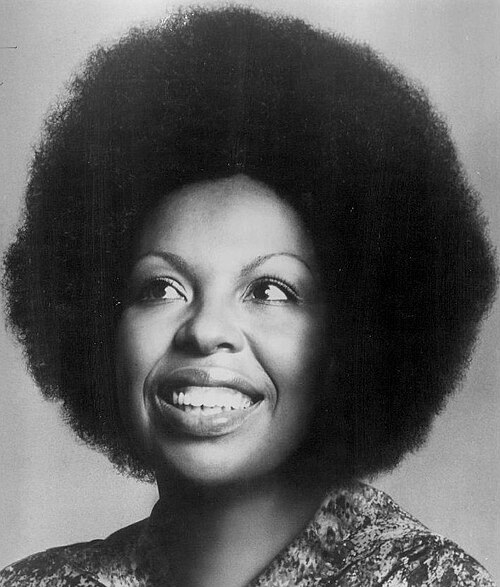
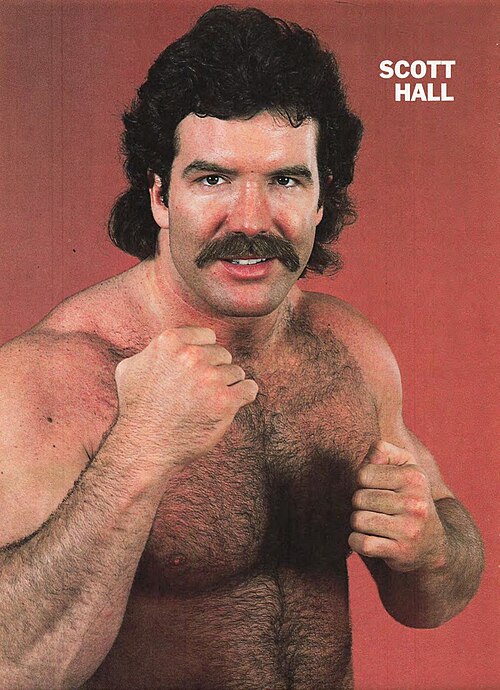
A heart attack happens when blood stops reaching part of the heart muscle, and that muscle starts to die. It is one of the most common ways people die anywhere. The World Health Organization puts cardiovascular deaths at an estimated 19.8 million in 2022, about 32% of all deaths worldwide, with heart attacks and strokes making up 85% of them. In the United States, the CDC counts about 805,000 heart attacks a year, of which roughly 200,000 strike people who have already had one.
The list above groups three records together: "myocardial infarction", "acute myocardial infarction" and "cardiac arrest". The first two are the medical names for a heart attack. Cardiac arrest is a different event, and the difference is explained below, but obituaries and public records often blur the two, so they share this page.
Two things stand out in our data. The median age at death among the notable people listed here is 69, with the middle half dying between 56 and 82. And men outnumber women on the list by about seven to one. Part of that reflects who became famous in past centuries, but men do tend to have heart attacks earlier in life, which comes up again below.
What is a heart attack?
In most cases the root problem is coronary artery disease. The National Heart, Lung, and Blood Institute (NHLBI) describes how fatty plaque builds up inside the arteries that feed the heart, narrowing them; when a plaque breaks open, a clot can form on it and shut off the blood supply. The CDC names coronary heart disease as the main cause of heart attack, with a severe spasm of a coronary artery as a less common one. The NHLBI adds a small group of heart attacks with no major blockage at all, caused by spasm, a clot that travels into a coronary artery, or a tear in the artery wall known as SCAD.
Time matters because the damage keeps growing. The CDC says the longer blood flow goes unrestored, the more heart muscle is lost, and survival odds improve the sooner emergency treatment starts.
How is cardiac arrest different?
A heart attack is a plumbing problem; cardiac arrest is an electrical one. The NHLBI says cardiac arrest is a sudden, unexpected stop in the heart's pumping, most often caused by the rhythm disorders ventricular fibrillation or ventricular tachycardia. MedlinePlus notes that during a heart attack the heart usually does not suddenly stop beating, though cardiac arrest can happen during or after a heart attack. In other words, a heart attack can trigger cardiac arrest, which is one reason the two end up on the same death records.
Cardiac arrest is far more abrupt. The NHLBI reports that nine in 10 people who have one outside a hospital die, often within minutes, that it causes about 300,000 to 450,000 US deaths a year, and that half of cardiac arrests happen to people who did not know they had a heart problem. Coronary heart disease is one of its main risk factors, so most of what lowers heart attack risk also matters here.
Which risk factors can't be changed?
- Age. The NHLBI says heart disease risk climbs for men after 45 and for women after 55, or after menopause.
- Sex. The NHLBI notes that women may have heart attacks at older ages than men, are more likely to have one not caused by coronary artery disease, and tend to have more health problems afterward. That does not make women safe: the CDC reports that heart disease killed 304,970 US women in 2023, about 1 in 5 female deaths.
- Family history. Per the NHLBI, risk is higher if a father or brother was diagnosed with coronary artery disease before 55, or a mother or sister before 65. The NHS lists a close relative who has had a heart attack among the things that raise risk.
- Pregnancy (a temporary circumstance rather than a fixed trait). Heart attacks in pregnancy are uncommon, but the NHLBI says they can occur during or shortly after delivery, and preeclampsia, diabetes and obesity add to the risk.
None of these can be undone, but they are the reason doctors check the changeable factors earlier and more often in some people.
Which risk factors can be changed?
The WHO says most cardiovascular diseases can be prevented, and names unhealthy diet, physical inactivity, tobacco use and harmful drinking as the main behavioral risks, with air pollution as the leading environmental one. These work largely by pushing up blood pressure, blood sugar, blood fats and body weight. The NHS list for heart attack specifically is smoking, high blood pressure, high cholesterol, diabetes and overweight or obesity.
Smoking
This is the clearest single lever. The CDC says smoking raises the risk of coronary heart disease 2 to 4 times, and even people who smoke fewer than five cigarettes a day can show early signs of cardiovascular disease. It makes blood stickier, damages the lining of blood vessels and speeds plaque buildup. Quitting pays back quickly: per the same CDC page, heart attack risk drops sharply within 1 to 2 years, the added coronary risk is cut in half after 3 to 6 years, and after 15 years it is close to that of a never-smoker.
Other people's smoke counts too. The CDC reports that nonsmoking adults exposed to secondhand smoke raise their coronary heart disease risk by 25 to 30%, and that it causes nearly 34,000 premature heart disease deaths a year in the US.
High blood pressure
High blood pressure is common and mostly uncontrolled. The CDC estimates that 48.1% of US adults have it, and only about 1 in 4 of them have it under control. It usually causes no symptoms, which is why screening, covered below, matters.
High cholesterol
LDL cholesterol feeds the plaque that causes most heart attacks. The CDC says 86.4 million US adults aged 20 or older had high or borderline high cholesterol in 2017 to 2020. For people at higher risk, the US Preventive Services Task Force (USPSTF) recommends that adults aged 40 to 75 with at least one risk factor and an estimated 10-year cardiovascular risk of 10% or more be prescribed a statin, with a more selective approach between 7.5% and 10%. That decision belongs with a doctor, who can run the risk estimate.
Diabetes
The CDC says people with diabetes have twice the risk of heart disease, and the risk rises the longer they have it. Diabetes also changes how a heart attack feels: the NHLBI notes that silent heart attacks with mild or no symptoms are more common in older adults and in people with diabetes.
Physical activity and weight
The NHLBI lists lack of regular physical activity, overweight and obesity, and diets high in saturated fat or sodium among the controllable risks. US guidelines summarized by the CDC call for adults to get 150 minutes of moderate activity or 75 minutes of vigorous activity a week, plus muscle strengthening on at least 2 days. The NHS recommends a balanced diet with less salt and saturated fat, a healthy weight and regular exercise, while noting that not every heart attack can be prevented.
Alcohol
The WHO counts harmful alcohol use among the main behavioral risks for cardiovascular disease. For those who drink, the CDC's heart disease page sets limits of no more than 1 drink a day for women and 2 for men, and the NHS advice for heart attack includes cutting down on alcohol.
Several factors at once
Risk factors tend to travel together. The NHLBI says that having three or more of high blood pressure, high blood sugar, high triglycerides, high cholesterol and excess weight is called metabolic syndrome. The CDC adds that about half of American adults have at least one of the three key risk factors: high blood pressure, high cholesterol or smoking. The NHLBI also notes that smoking, high blood pressure, high cholesterol, high blood sugar, obesity and stress raise heart attack risk more in women than in men.
What does not cause a heart attack, and what else is myth?
"Heart attacks are a man's problem."
Men have them earlier, but heart disease is the leading cause of death for US women, and only 56% of women know it, according to the CDC. Women's symptoms can also look different, which the NHLBI links to delays in recognizing the attack, getting to hospital and being diagnosed.
"You would know if you had one."
Not always. The CDC estimates that about 1 in 5 heart attacks are silent, meaning the damage happens with symptoms too mild to notice. The NHLBI warns against relying on pain to decide whether to seek care.
"Exercise will set off a heart attack."
Heart problems during exercise do happen, but the NHLBI says they are rare and generally affect people who already have heart conditions; overall, "the benefits of regular physical activity far outweigh risks to the heart and lungs". The same page says risk rises with lower fitness and higher intensity.
"A drink a day protects the heart."
The evidence for this has weakened. A 2017 meta-analysis of 45 cohort studies covering about 2.9 million people found that the apparent benefit of light drinking disappeared in the higher-quality studies and in studies that controlled for baseline heart health, concluding that cardio-protection "cannot be confirmed". None of the health authorities cited here recommend starting to drink for heart health.
"Everyone over 50 should take a daily aspirin."
For people who have never had a heart attack or stroke, the USPSTF says adults 60 or older should not start aspirin for prevention, and for adults 40 to 59 with a 10-year risk of 10% or more the choice should be an individual one, because bleeding risk grows with age. Aspirin during a suspected heart attack is a separate question, covered below.
"Cardiac arrest and heart attack are the same thing."
They are not, as explained above. The practical difference is that the heart usually keeps beating during a heart attack, while in cardiac arrest it stops and the person needs CPR. MedlinePlus advises calling 911, starting CPR at once and using an automated external defibrillator (AED) if one is available; hands-only CPR is an option for the untrained.
Can it be caught early?
There is no single test that predicts a heart attack, but the factors that drive it can be measured. The USPSTF recommends blood pressure screening for all adults 18 and older: every year from age 40 or for those at higher risk, and every 3 to 5 years for adults 18 to 39 with a normal reading and no added risk, with home or ambulatory readings to confirm a diagnosis. The CDC says most healthy adults should have their cholesterol checked every 4 to 6 years, and more often with heart disease, diabetes or a family history of high cholesterol.
In England, the NHS Health Check invites adults aged 40 to 74 without existing heart disease, diabetes or stroke every 5 years, measuring blood pressure, cholesterol and weight and estimating the 10-year risk of heart disease and stroke.
What are the warning signs?
The NHLBI and the CDC list these signs; they can be mild, and they can come and go over hours:
- Chest pain, pressure or heaviness in the center or left side of the chest, the most common sign. The NHS describes it as possibly tight or crushing, spreading to the arm, neck or jaw.
- Pain or discomfort in the arms, shoulders, back, neck, jaw or upper belly.
- Shortness of breath, at rest or with light effort.
- Heavy sweating, nausea or vomiting, or lightheadedness and sudden dizziness.
- Unusual tiredness, which the NHLBI says can last for days and is more common in women.
- A racing or irregular heartbeat.
The CDC notes that women are more likely to have the other symptoms, such as unusual tiredness and nausea or vomiting. Angina pain usually eases with rest; the NHLBI says heart attack pain does not, and anyone unsure which it is should call for help. It also advises against driving to hospital and against delaying the call to take aspirin. If the heart stops, MedlinePlus says CPR should be started right away and continued until a defibrillator can be used.
Call 911 (US), 999 (UK) or 112 (EU) at once.
What do the famous cases show?
A few names from the list show how wide the age range is:
- Cass Elliot of The Mamas and the Papas died in 1974 at 32, among the youngest well-known people on the list.
- Elvis Presley died in 1977 at 42.
- Lyndon Johnson, the 36th US president, died in 1973 at 64.
- Frank Sinatra died in 1998 at 82.
Among the notable people on this list, the median age at death is 69, and men far outnumber women. Treat that with care. Notable people are not a representative sample of anyone, and fame has historically skewed male. Causes of death here come from Wikidata, which can be incomplete or vague, and "heart attack" and "cardiac arrest" are often used loosely in death reports. History matters too: the list stretches back to the early 1700s, long before modern heart treatment, so an old death says little about risk today. Nothing here implies that any named person's habits caused their death.
The short version
- Most heart attacks come from plaque in the coronary arteries, and the WHO says most cardiovascular disease can be prevented.
- Not smoking, or quitting, is the strongest single lever; the benefit starts within a year or two.
- Blood pressure, cholesterol and blood sugar are silent but measurable; regular checks catch them.
- Regular activity, a healthy weight and less salt and saturated fat lower risk; moderate drinking is not a proven protector.
- The NHLBI and NHS advise calling an ambulance at once, even when unsure, and the warning signs in women are often quieter.
- Cardiac arrest is different: someone who collapses and stops breathing needs CPR and an AED right away.
Sources
- WHO: Cardiovascular diseases (CVDs) fact sheet - global death toll, share from heart attack and stroke, main risk factors, prevention.
- CDC: Heart Disease Facts - US heart attacks per year, repeat attacks, silent heart attacks.
- CDC: About Heart Attack and Symptoms - causes, symptoms, women's symptoms, timing of treatment, key risk factors.
- CDC: About Women and Heart Disease - deaths among women, awareness.
- CDC: Heart Disease Risk Factors - risk factor list, alcohol limits.
- CDC: Health Effects of Cigarettes, Cardiovascular Disease - smoking risk and benefits of quitting over time.
- CDC: Health Problems Caused by Secondhand Smoke - secondhand smoke and coronary heart disease.
- CDC: High Blood Pressure Facts - prevalence and control of high blood pressure.
- CDC: Getting Your Cholesterol Checked - testing intervals, prevalence of high cholesterol.
- CDC: Diabetes and Your Heart - diabetes doubles heart disease risk.
- CDC: Physical Activity Guidelines for Adults - weekly activity targets.
- NHLBI: Heart Attack, Causes and Risk Factors - mechanism, non-blockage causes, age and family history, controllable risks, metabolic syndrome.
- NHLBI: Heart Attack, Symptoms - warning signs, silent attacks, angina vs heart attack, calling 911.
- NHLBI: Heart Attacks in Women - sex differences, delays, pregnancy.
- NHLBI: Cardiac Arrest - definition, causes, survival and death toll.
- NHLBI: Physical Activity and Your Heart, Risks - exercise-related heart events are rare.
- MedlinePlus: Sudden Cardiac Arrest - how it differs from a heart attack, CPR and AEDs.
- NHS: Heart attack - symptoms, risk factors, prevention advice, aspirin while waiting.
- NHS: NHS Health Check - who is invited, how often, what is checked.
- USPSTF: Statin Use for the Primary Prevention of Cardiovascular Disease in Adults - who should be offered a statin.
- USPSTF: Aspirin Use to Prevent Cardiovascular Disease - aspirin for primary prevention by age.
- USPSTF: Hypertension in Adults, Screening - blood pressure screening ages and intervals.
- Zhao et al., Journal of Studies on Alcohol and Drugs (2017): Alcohol Consumption and Mortality From Coronary Heart Disease, an updated meta-analysis - light drinking and heart protection.
How this was sourced
This article summarizes public health authorities and peer-reviewed research, linked at each claim, and the list and figures above come from our own database of notable people built on Wikidata. We are not a medical site and this is not medical advice. Talk to a doctor about your own risk, your own numbers and whether any test or medicine is right for you.