2007Apr 23
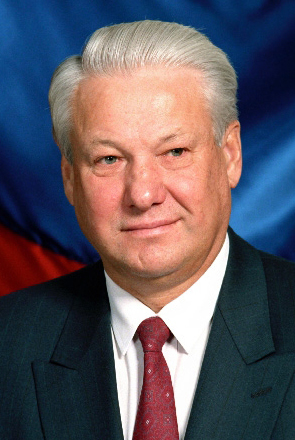
Boris Yeltsin
1st President of Russia Born 1 Feb 1931 - Died 23 Apr 2007 Butka 3 recorded health events
Boris Yeltsin was the Russian politician who led Russia as its first president, holding office between 1991 and 1999, and helped bring the Soviet Union to its formal end in December 1991. He was born on February 1, 1931, in Butka, Ural Oblast, and spent his childhood in Kazan and then Berezniki.
Yeltsin trained at Ural State Technical University, worked in construction and joined the Communist Party in 1961. By 1976 he was running the party organization in Sverdlovsk Oblast as its first secretary. An early backer of Mikhail Gorbachev's perestroika, he later called it too timid, and in 1987 no Politburo member had ever quit before he did. He left the party in 1990, the same year he took the chair of the Russian Supreme Soviet, and in 1991 he won the presidency of the Russian SFSR, making him the first Russian head of state chosen by a popular vote. As president of the new Russian Federation he pushed economic shock therapy, mass privatization and the end of price controls. In 1993 he ordered the dissolution of parliament, which impeached him; troops loyal to him stormed the building and a new constitution widened presidential powers. Voters returned him for another term in 1996, a vote critics say was rigged.
Yeltsin appointed Vladimir Putin prime minister in August 1999 and named him as his preferred successor. On December 31, 1999, he announced his resignation in a New Year speech on state television. Boris Yeltsin died on April 23, 2007, aged 76, from congestive heart failure, and was buried at Novodevichy Cemetery in Moscow.
Health Timeline
Newest first - 3 eventsAbout this record
Each event is compiled from published reporting and rated for severity by an automated classifier, then shown with its date. Only events concerning Boris Yeltsin's own health are included. Biographical summary adapted from Wikipedia (source linked above).
3 health events - 0 articles tracked