A stroke happens when part of the brain suddenly loses its blood supply, either because an artery is blocked or because a vessel bursts and bleeds. The NHLBI notes that brain cells cut off from oxygen can begin dying within minutes, which is why stroke is treated as an emergency. Worldwide it is the second most common cause of death after heart disease: the World Health Organization puts the toll at about 6.8 million deaths in 2023, roughly 11% of all deaths.
In the United States, the CDC says more than 795,000 people have a stroke each year, someone has one about every 40 seconds, and someone dies of one about every 3 minutes and 14 seconds. Many survivors live with the results: the agency calls stroke a leading cause of serious long-term disability.
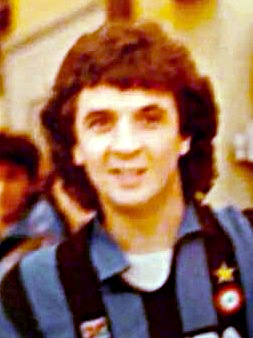
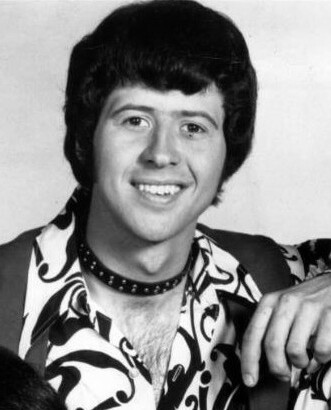
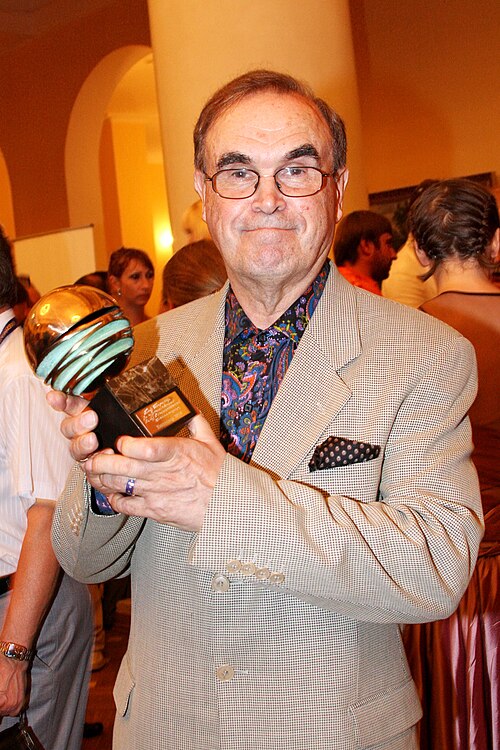
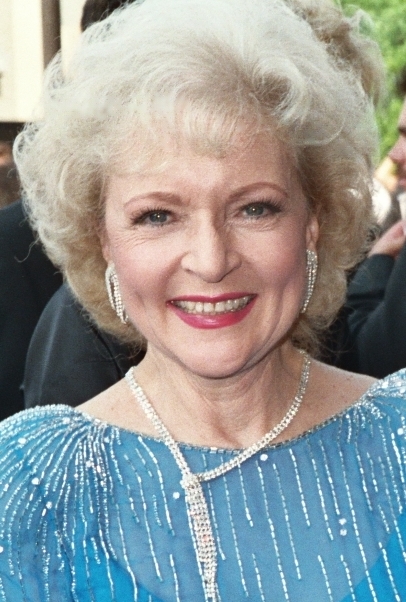
The people on the list above died at a median age of 75, and half of them between 64 and 83. That is a few years younger than the median for heart failure on this site, which fits a disease that can strike suddenly in late middle age. The list includes deaths recorded as stroke, cerebral hemorrhage, cerebrovascular disease and ruptured brain aneurysm, and it leans male, with 132 men and 55 women, even though in the general population stroke is more common in women, according to the CDC.
What is a stroke?
There are two main kinds. In an ischemic stroke, a clot or narrowed artery cuts off blood flow to part of the brain. In a hemorrhagic stroke, a vessel breaks and blood leaks into or around the brain, where it presses on and damages nearby tissue. The National Heart, Lung, and Blood Institute says nearly 90% of strokes are ischemic, and the CDC puts the figure at about 87%.
A "cerebral hemorrhage" on a death record is a bleeding stroke. "Cerebrovascular disease" is the umbrella term for disease of the brain's blood vessels. A brain aneurysm is a different starting point that can end in the same place: MedlinePlus describes it as a weak spot in a blood vessel wall that bulges outward, and says about 1 in 50 people has one, though only a small share ever cause symptoms or burst. When one ruptures, it bleeds into the brain, and MedlinePlus notes that ruptured aneurysms are often deadly.
A transient ischemic attack, or TIA, is a brief interruption of blood flow whose symptoms pass, usually within a day. The NHS calls it a "mini stroke" and warns that it is often a sign that another may follow, with a raised chance of a major stroke soon after.
Which risk factors can't be changed?
Age
Age is the strongest fixed factor. The CDC says the chance of stroke roughly doubles every 10 years after age 55. Younger adults are not exempt: the same page notes that about one in seven strokes happens to people aged 15 to 49, and in 2014, 38% of people hospitalized for stroke were under 65.
Sex
The CDC says stroke is more common in women and that women of all ages are more likely than men to die from it. Part of that is that women live longer, but there are also risks specific to women: the NHS lists the combined contraceptive pill, pre-eclampsia in pregnancy and having just given birth.
Ethnic background
In the US, the risk of a first stroke is nearly twice as high for Black people as for White people, the CDC reports. The NHS lists Black and South Asian backgrounds as carrying higher risk in the UK.
Family history, genes and a past stroke
Stroke can run in families through shared genes, homes and habits, and some inherited conditions raise the risk directly. The CDC names sickle cell disease, which can block blood flow to the brain, especially in children. For brain aneurysms, the NHS lists a close relative with an aneurysm and genetic conditions such as polycystic kidney disease or Ehlers-Danlos syndrome. A prior stroke or TIA is itself one of the clearest warnings: the CDC says nearly 1 in 4 strokes happen in people who have had one before.
Which risk factors can be changed?
As reported in a 2024 US paper, a large international case-control study, INTERSTROKE, run in 32 countries, estimated that 90.7% of the population risk of a first stroke was tied to a set of modifiable factors. That figure is often quoted, but it depends on method. A 2024 US analysis in the American Journal of Epidemiology, using seven factors and national survey data, put the share at about 33% for men and 36% for women, and noted that the odds ratios used in case-control studies tend to overstate risk. Either way, a large part of stroke risk is in reach of prevention.
High blood pressure
The CDC calls high blood pressure a leading cause of stroke, and it is common and often silent. Nearly half of US adults, 48.1%, have it, and only about 1 in 4 of them have it under control. In the US analysis above, hypertension accounted for about 20% of strokes on its own, as did obesity.
Treating it works. A 2018 JAMA Internal Medicine meta-analysis of 74 trials with more than 306,000 participants found that lowering blood pressure in people with a starting systolic pressure of 160 or higher cut stroke risk by about 31% in primary-prevention trials, and concluded that preventive treatment was linked to fewer deaths and less cardiovascular disease when systolic pressure starts at 140 or above. For people who have already had a stroke or TIA, a 2023 JAMA Neurology meta-analysis of 10 trials and 40,710 patients found that more intensive lowering brought the rate of repeat stroke to 8.4%, against 10.1% with less intensive or no blood pressure lowering.
Salt matters because it raises blood pressure. The CDC says Americans average more than 3,300 mg of sodium a day, well above the recommended less than 2,300 mg, and links too much sodium directly to higher risk of heart disease and stroke.
Atrial fibrillation
Atrial fibrillation (AFib) is an irregular heart rhythm that lets blood pool in the heart and form clots, which can then travel to the brain. The CDC says AFib is linked to about a fivefold higher risk of ischemic stroke and causes roughly one in seven strokes. AFib can be treated, which is why finding it matters.
Smoking
The CDC says cigarette smoking damages the heart and blood vessels, nicotine raises blood pressure, and secondhand smoke adds to stroke risk in non-smokers. The NHS and MedlinePlus both list smoking as a risk factor for brain aneurysms as well as for ordinary strokes.
Diabetes, cholesterol and weight
High blood sugar damages vessels over time, and the CDC notes that the high blood pressure common in diabetes is the main reason diabetes raises stroke risk. Excess cholesterol can narrow the arteries that feed the brain. Obesity feeds into all of these, raising bad cholesterol, triglycerides, blood pressure and diabetes risk.
Physical inactivity
The CDC lists inactivity as a stroke risk factor because it leads to obesity, high blood pressure, high cholesterol and diabetes. The NHS recommends regular exercise as one of its core steps to lower stroke risk, alongside a balanced diet, not smoking and cutting down on alcohol.
Alcohol and drugs
Heavy drinking raises blood pressure and triglycerides, and the CDC's stroke guidance sets limits of one drink a day for women and two for men. MedlinePlus lists alcohol, cocaine, methamphetamine and amphetamine use as risk factors for brain aneurysms.
What does not cause a stroke, and what is myth?
"Strokes only happen to old people"
Most strokes are in older adults, but not all. The CDC's figure of about one in seven strokes in people aged 15 to 49 is not small, and the youngest person on the list above was 21.
"If the symptoms go away, it's fine"
Symptoms that pass may be a TIA, and that is a warning, not an all-clear. The NHS advises calling 999 even if the signs stop, including if they happened in the last 24 hours, and says a person with a suspected TIA still needs assessment in hospital.
"Waiting to see if it gets better is safer"
The opposite is true. The CDC says the most effective stroke treatments only work if the stroke is recognized and diagnosed within 3 hours of the first symptoms. Driving to the hospital is also discouraged; both the CDC and the NHS advise calling an ambulance rather than driving.
"Everyone should have their neck arteries scanned"
Screening sounds sensible but is not recommended for people without symptoms. The US Preventive Services Task Force recommends against screening for carotid artery narrowing in the general adult population (a grade D).
Can it be caught early?
There is no screening test for stroke itself. The useful checks are for the conditions behind it:
- Blood pressure. The USPSTF recommends screening every adult 18 and over, suggesting yearly checks from age 40 or for people at higher risk, and every 3 to 5 years for adults 18 to 39 at normal risk.
- Atrial fibrillation. For adults 50 and older without symptoms, the USPSTF says the evidence is insufficient to weigh the benefits and harms of screening.
- Carotid arteries. As above, routine scans in people without symptoms are not recommended.
- Brain aneurysms. The NHS lists a close relative with a brain aneurysm as a risk factor, but its page does not describe routine screening.
What are the warning signs?
Stroke signs come on suddenly. The CDC uses the BE FAST check:
- Balance: sudden dizziness, loss of balance or trouble walking.
- Eyes: sudden vision problems.
- Face: one side of the face droops when the person smiles.
- Arms: one arm drifts down when both are raised.
- Speech: slurred, strange or confused speech, or trouble understanding.
- Time: call 911 right away and note when the symptoms started, which helps doctors choose treatment.
The CDC also lists sudden numbness or weakness on one side and a severe headache with no clear cause. A bleed from a burst aneurysm typically starts with a sudden, extreme headache that the NHS says is sometimes called a "thunderclap headache", and MedlinePlus says it may come with a stiff neck, vomiting, confusion or loss of consciousness. Call 911 (US), 999 (UK) or 112 (EU) at once.
What do the famous cases show?
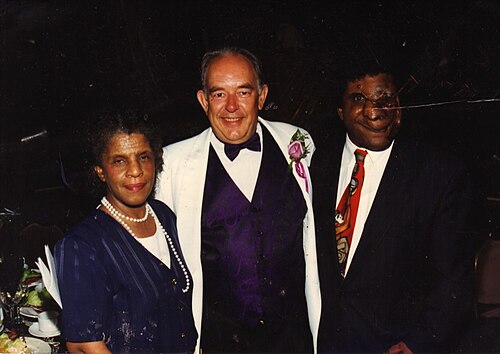
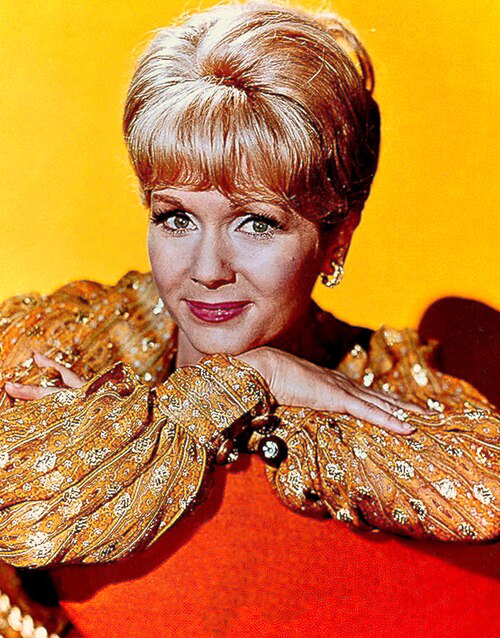
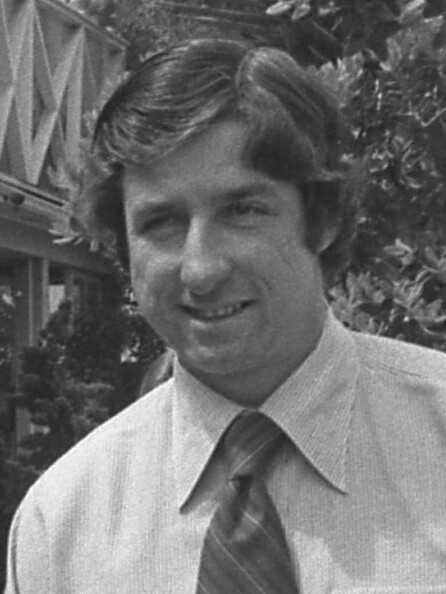
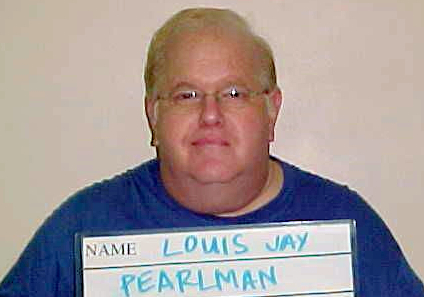
Franklin Roosevelt died in 1945 at 63, near the end of the Second World War, of a massive bleed in the brain. Tenzing Norgay, who reached the summit of Everest with Edmund Hillary in 1953, died of a cerebral hemorrhage in 1986 at 71. Cary Grant died of a stroke the same year, at 82.
Richard Nixon had a severe stroke in 1994 and died four days later, at 81. Margaret Thatcher died of a stroke in 2013 at 87, after a series of smaller strokes years earlier had led her doctors to advise her to stop public speaking. Her history fits the CDC figure that nearly 1 in 4 strokes happen to people who have already had one.
Across all the notable people on this list, the median age at death is 75. Notable people are not a representative sample, though: the list is mostly men and mostly public figures from Europe and North America, and it reaches back to the 14th century. Causes of death come from Wikidata and can be incomplete, and older records may use "stroke" or "apoplexy" loosely for sudden deaths that modern doctors might classify differently. History matters too: many of these people died before modern blood pressure drugs, clot-busting treatment and stroke units existed, so their deaths say little about the odds today.
The short version
- Most strokes are blockages; a smaller share are bleeds, including burst aneurysms.
- High blood pressure is a leading cause of stroke, and treating it lowered stroke risk in trials.
- Atrial fibrillation, smoking, diabetes, high cholesterol, obesity, inactivity and heavy drinking all add risk.
- A TIA, or symptoms that come and go, is an emergency warning, not a false alarm.
- The CDC's BE FAST check covers sudden balance, vision, face, arm and speech problems, and the most effective treatments depend on reaching hospital within hours.
Sources
- World Health Organization: The top 10 causes of death - global stroke deaths and rank.
- CDC: Stroke Facts - US cases, deaths, share ischemic, recurrence, age, disability.
- CDC: Stroke Risk Factors - age, sex, race, family history, blood pressure, diabetes, smoking, alcohol.
- CDC: Signs and Symptoms of Stroke - BE FAST, calling 911, the 3-hour window.
- CDC: About Atrial Fibrillation - AFib and stroke risk.
- CDC: High Blood Pressure Facts - prevalence and control of hypertension.
- CDC: About Sodium and Health - sodium intake and stroke risk.
- NHLBI: What Is a Stroke? - ischemic and hemorrhagic stroke.
- MedlinePlus: Brain aneurysm - what an aneurysm is, how common, risk factors, outlook.
- NHS: Stroke causes - risk factors and prevention.
- NHS: Stroke symptoms - FAST signs and calling 999 even if symptoms stop.
- NHS: Transient ischaemic attack (TIA) - what a TIA is and what follows.
- NHS: Brain aneurysm - risk factors and symptoms of a burst aneurysm.
- Am J Epidemiol 2024: Population attributable fraction of total stroke associated with modifiable risk factors in the United States - share of strokes tied to modifiable factors.
- Brunstrom and Carlberg, JAMA Intern Med 2018: Blood pressure lowering across blood pressure levels - effect of treatment on stroke.
- JAMA Neurology 2023: Differential blood pressure reduction and secondary stroke prevention - repeat stroke with intensive treatment.
- USPSTF: Hypertension in Adults: Screening (2021) - who to screen and how often.
- USPSTF: Atrial Fibrillation: Screening (2022) - insufficient evidence for screening.
- USPSTF: Carotid Artery Stenosis: Screening (2021) - recommendation against routine screening.
How this was sourced
This article summarizes guidance from public health authorities and findings from peer-reviewed research, each linked at the claim it supports. The famous cases and the median age come from our own records, which draw on Wikidata. We are not doctors, and this is not medical advice: talk to a doctor about your own risk of stroke.