Pneumonia is an infection that inflames the lungs and fills their tiny air sacs with fluid, which makes it harder to breathe and to get oxygen into the blood. In the United States it was recorded as the cause of 41,627 deaths in 2024, a rate of 12.2 per 100,000 people, according to CDC figures. Worldwide, the World Health Organization calls it the single largest infectious cause of death in children, with 740,180 deaths among children under 5 in 2019.
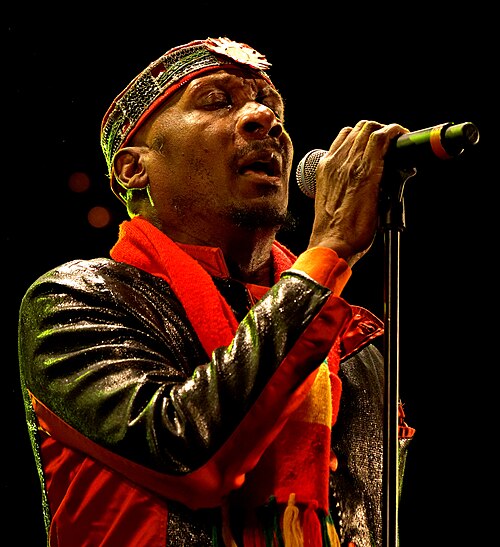
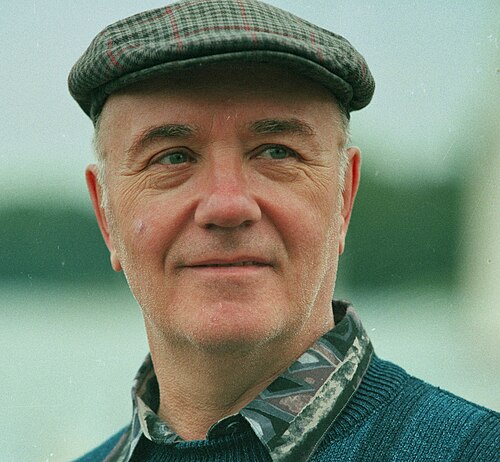
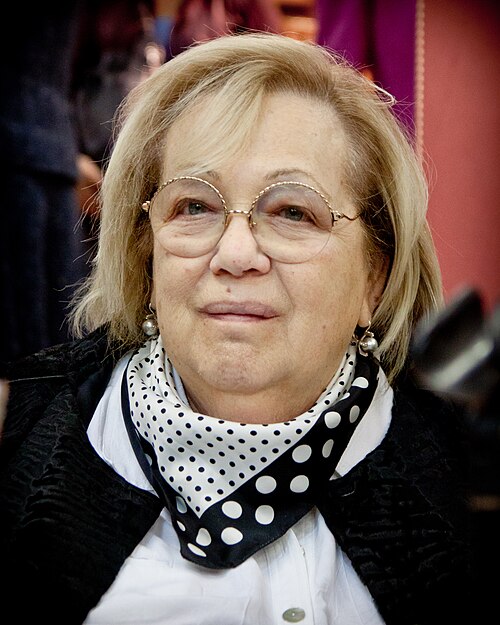
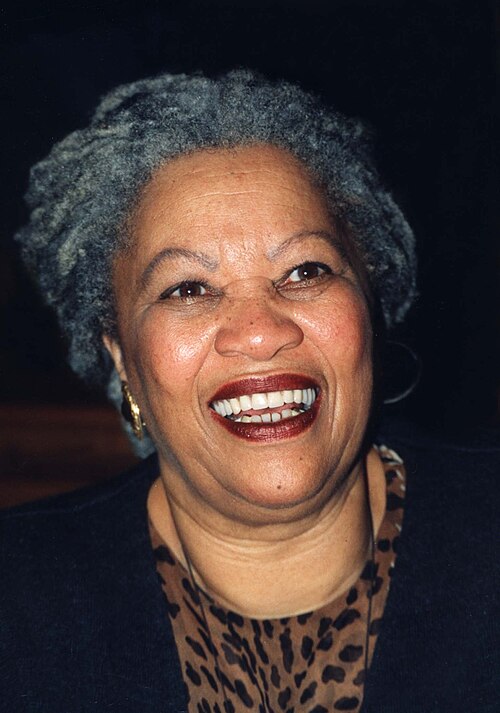
The people on the list above are a very different group. Their median age at death is 79, and half of them died between 67 and 87. That matches what the CDC says about risk: it rises with age, so that an 80-year-old is at higher risk than a 65-year-old. The list also leans male, with 113 men and 40 women, and it reaches back centuries, to a death recorded in 1589.
What is pneumonia?
The lungs end in clusters of small sacs called alveoli, where oxygen passes into the blood. The WHO explains that in pneumonia these sacs fill with pus and fluid, so breathing becomes painful and oxygen intake drops.
Many different germs can do this. The CDC says bacteria, viruses, fungi and parasites can all cause pneumonia, with bacteria and viruses the most common, and that doctors sometimes never identify the germ. The National Heart, Lung, and Blood Institute (NHLBI) names Streptococcus pneumoniae (pneumococcus) as the most common cause in the United States. Among viruses, it lists influenza and the common-cold rhinovirus as frequent causes in adults, RSV as the leading cause in young children, and the virus that causes COVID-19. Pneumonia can also follow food, drink, vomit or saliva going down the wrong way into the lungs, which the NHLBI links to brain disorders, sedation and overdose.
Where someone catches it matters too. The CDC separates community-acquired pneumonia, healthcare-acquired pneumonia and ventilator-associated pneumonia. Most people pick it up in daily life; the NHLBI notes that hospital patients face extra risk when they are in intensive care, sedated, unconscious or unable to move much.
Flu and pneumonia are closely tied. The CDC lists pneumonia among the serious complications of flu and says it can result from the flu virus itself, from bacteria, or from both at once.
Which risk factors can't be changed?
Age
The two ends of life carry the most risk. The CDC names adults 65 or older and children younger than 5 as higher-risk groups. The NHLBI puts the line for young children at age 2 or younger, especially babies born early. The NHS also lists people over 65 and babies and young children among those at higher risk of serious illness.
Long-term health conditions
Many chronic illnesses make pneumonia more likely or more dangerous. The CDC lists chronic heart, liver and lung disease, and diabetes. The NHLBI adds asthma, bronchiectasis, cystic fibrosis and COPD, as well as heart failure, sickle cell disease, kidney disease and malnutrition.
A weakened immune system
The CDC says people with weakened immunity are at greatest risk. The NHLBI gives examples: HIV, an organ or bone marrow transplant, chemotherapy, long-term steroid use, and pregnancy. For children, the WHO points to malnutrition, measles and symptomatic HIV infection.
Trouble swallowing or brain conditions
Conditions that affect swallowing or the cough reflex let material slip into the lungs. The NHLBI lists stroke, head injury, dementia and Parkinson's disease.
Which risk factors can be changed?
Vaccination
Vaccines are the main tool health agencies point to. For children worldwide, the WHO calls immunization against Hib, pneumococcus, measles and whooping cough the most effective way to prevent pneumonia. The CDC's prevention page lists vaccines against bacterial causes (Hib, whooping cough and pneumococcus) and immunizations against viral causes (COVID-19, flu, measles, RSV and chickenpox). Recommendations for each are set separately and have been changing, so what follows is what each page said when we checked it.
Pneumococcal vaccine (US). On a page dated February 25, 2026, the CDC recommends pneumococcal vaccination for "All children younger than 5 years old" and "All adults 50 years or older", plus children 5 through 18 and adults 19 through 49 with certain risk conditions. Its clinical guidance, also dated February 25, 2026, describes a four-dose series for babies at 2, 4 and 6 months and 12 through 15 months, and for adults 50 and older who have never had a conjugate vaccine, the CDC lists PCV15, PCV20 or PCV21; it adds that PCV15 is followed by a dose of PPSV23, while after PCV20 or PCV21 PPSV23 is not indicated.
Pneumococcal vaccine (UK). The NHS offers it to babies, to everyone aged 65 or over, and to children and adults with conditions such as COPD, heart failure, chronic kidney or liver disease, diabetes, spleen problems or a removed spleen, or a weakened immune system. It says most adults over 65 need one dose (page last reviewed 26 June 2023).
Flu vaccine. The CDC's consumer page, updated September 1, 2026, says "Everyone 6 months and older in the United States, with rare exception, should get a flu vaccine every season." Its clinical page notes that, because of legal uncertainties, the CDC states the flu recommendations from the July 2025 immunization schedule remain in effect for the 2026-2027 season. In England, the NHS offers a free flu vaccine to people aged 65 or over, adults 18 to 64 with certain long-term conditions, pregnant women and care home residents, among others.
RSV vaccine. On a page dated February 20, 2026, the CDC says it recommends everyone ages 75 and older get an RSV vaccine, as well as adults 50 to 74 at increased risk of severe RSV, and that it is not currently a yearly shot. The NHS offers RSV vaccination to people aged 75 or over, people 65 to 74 with a weakened immune system or long-term lung condition, care home residents, and pregnant women from 28 weeks.
COVID-19 vaccination is covered in our separate COVID-19 article; the NHS lists it for people at increased risk as one of the ways to lower the chance of pneumonia.
Smoking
Smoking damages the lungs' own cleaning system. The NHLBI says cigarettes reduce the body's ability to clear mucus from the airways, and the CDC lists cigarette smoking as a behavior that raises pneumonia risk. Both the NHS and the CDC include stopping smoking and limiting contact with cigarette smoke among the ways to prevent it. In children, the WHO counts parental smoking as a risk factor.
Heavy drinking and drugs
The CDC lists drinking alcohol excessively as a risk factor. The NHLBI explains two ways it works: alcohol and drugs can weaken the immune system and make it more likely that material is inhaled into the lungs.
Managing chronic illness
Because heart, lung and metabolic diseases raise risk, the CDC includes taking good care of chronic conditions such as asthma as a prevention step.
Hygiene and contact with sick people
Many of the germs behind pneumonia spread from person to person. Pneumococcus, for example, spreads through direct contact with saliva or mucus, the CDC says. The agency recommends regular handwashing, cleaning frequently touched surfaces, and coughing or sneezing into a tissue or sleeve, and keeping away from others when sick. The CDC also lists being around people who are sick as a risk factor in itself.
Crowded settings, pollution and some jobs
The NHLBI names crowded places such as military barracks, prisons, homeless shelters and nursing homes, along with air pollution and toxic fumes, and jobs in poultry processing, pet shops and veterinary clinics. In poorer countries, the WHO says household smoke from cooking and heating with biomass fuels raises the risk for children. The NHS notes that some welders and metal workers exposed to metal fumes are offered the pneumococcal vaccine through work.
Mouth care in nursing homes
Because aspiration is a common route into the lungs, researchers have tested whether better mouth care helps. A 2022 Cochrane review of six trials with 6,244 nursing home residents could not tell whether professional mouth care prevents pneumonia better than usual care, though two studies hinted at fewer pneumonia deaths after 24 months. The evidence here is still thin.
What does not cause pneumonia?
"Cold weather gives you pneumonia"
Pneumonia is more common in fall and winter, but the CDC ties that to germs: it is the season when respiratory germs typically spread more in the community. It also says pneumonia can happen at any time of year.
"Antibiotics will fix any pneumonia"
Antibiotics treat bacteria. The NHS says bacterial pneumonia is usually treated with antibiotics, but many cases are viral. For flu, the CDC states plainly that antibiotics do not treat flu and that unneeded antibiotics can still cause side effects; prescription antivirals are the flu-specific treatment.
"The pneumonia vaccine covers every kind of pneumonia"
It does not. Pneumococcal vaccines target one bacterium, Streptococcus pneumoniae, which can also cause meningitis, bloodstream and ear infections. Other bacteria, viruses and fungi cause pneumonia too, which is why the CDC's prevention list includes several different vaccines.
Can it be caught early?
There is no screening test for pneumonia. What helps is recognizing the symptoms and getting checked, especially for older people and those with chronic illness.
What are the warning signs?
The NHS lists the usual symptoms as cough, shortness of breath, high temperature, chest pain, aches and tiredness, and notes that older people may become confused and babies may make grunting noises. The CDC adds fever or chills, nausea, vomiting or diarrhea.
The NHS advises an urgent GP appointment or a call to NHS 111 for a cough lasting up to 3 weeks, coughing up yellow or green phlegm, chest pain on breathing or coughing, or feeling short of breath. It says to get emergency help if someone:
- is struggling to breathe, choking, gasping or unable to speak
- has pale, blue or blotchy skin, lips or tongue
- is coughing up blood
- suddenly becomes confused, for example not knowing where they are
- is a baby who cannot be woken or feels floppy
These signs come from the NHS pneumonia page, which also advises against driving yourself to A&E. Call 911 (US), 999 (UK) or 112 (EU) at once.
What do the famous cases show?
Gregory Peck died in his sleep of bronchopneumonia in 2003, aged 87, and Fred Astaire died of pneumonia in 1987, aged 88. Michael Gambon died after a bout of pneumonia in 2023, aged 82. These three fit the general pattern: very old age is the single strongest marker of risk.
Two younger names show how pneumonia often sits on top of other illness. Val Kilmer died in 2025, aged 65; pneumonia was the immediate cause, and his death certificate also lists respiratory failure and squamous cell cancer at the base of the tongue among the underlying causes. Bernie Mac died in 2008, aged 50, of complications of pneumonia. He had lived for years with sarcoidosis, an inflammatory disease, though his publicist said the complications were not attributed to it.
Across the notable people on this list, the median age at death is 79, and men outnumber women by 113 to 40. That is a picture of famous people, not of the population: notable people are not a representative sample, and causes of death come from Wikidata, which can be incomplete or loose. "Pneumonia" on a record is often the final event rather than the whole story. History matters too: about half of these deaths came before 2000, and some go back to the 16th century, long before antibiotics and vaccines, so those cases say little about risk today.
The short version
- Risk climbs steeply after 65 and is high in young children; chronic heart, lung and liver disease, diabetes and weak immunity add to it.
- Vaccines are the main lever. Current CDC and NHS pages recommend pneumococcal vaccination by age and risk, yearly flu vaccination, and RSV vaccination for older adults, with details that differ by country and have changed recently.
- Not smoking and avoiding heavy drinking protect the lungs' defenses.
- Handwashing, covering coughs and keeping away from sick people cut the spread of the germs behind it.
- Struggling to breathe, blue lips or sudden confusion are emergencies.
Sources
- CDC: FastStats - Pneumonia - 2024 US deaths and death rate.
- WHO: Pneumonia in children fact sheet - mechanism, child deaths, risk factors, vaccines as main prevention.
- CDC: Risk Factors for Pneumonia - age, chronic conditions, smoking, alcohol, seasonality.
- CDC: About Pneumonia - causes, types, symptoms.
- CDC: Preventing Pneumonia - vaccines and healthy living steps.
- NHLBI: Pneumonia - Causes and Risk Factors - germs, aspiration, settings, smoking, alcohol, conditions.
- NHS: Pneumonia - symptoms, emergency signs, treatment, prevention.
- CDC: Pneumococcal Vaccines - who is recommended to get vaccinated (dated Feb. 25, 2026).
- CDC: Pneumococcal Vaccine Recommendations (clinical) - infant schedule and adult vaccine choices.
- CDC: About Pneumococcal Disease - what pneumococcus causes and how it spreads.
- NHS: Pneumococcal vaccine - UK eligibility and doses.
- CDC: Key Facts About Seasonal Flu Vaccine - current flu vaccine recommendation.
- CDC: Interim Clinical Considerations for Seasonal Influenza Vaccines - July 2025 schedule remains in effect for 2026-2027.
- NHS: Flu vaccine - UK flu vaccine eligibility.
- CDC: RSV Vaccines for Adults - who is recommended an RSV vaccine.
- NHS: RSV vaccine - UK RSV vaccine eligibility.
- CDC: Signs and Symptoms of Flu - pneumonia as a flu complication.
- CDC: Flu Antiviral Drugs - antibiotics do not treat flu.
- Cochrane: Mouth care for preventing pneumonia in nursing homes - 2022 review of six trials.
How this was sourced
This article summarizes public health authorities and peer-reviewed research, linked at each claim, and the vaccine recommendations are quoted as the CDC and NHS pages stated them on the dates given; they may change. The figures about notable people come from our own records, built from Wikidata. We are not a medical site, and this is not medical advice: talk to a doctor about your own risk, and about which vaccines suit you.