COVID-19 is an infectious disease caused by the SARS-CoV-2 coronavirus, which spreads mainly through the air and can range from a mild cold-like illness to fatal pneumonia. The World Health Organization reports that nearly 780 million cases and more than 7.1 million deaths have been reported worldwide since December 2019, and says the true numbers are likely higher. The WHO ended the global public health emergency in May 2023.
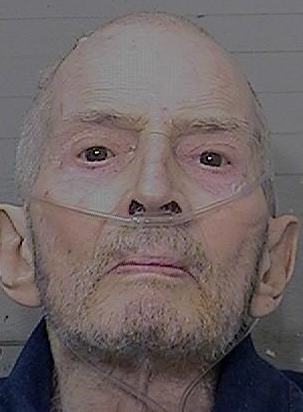
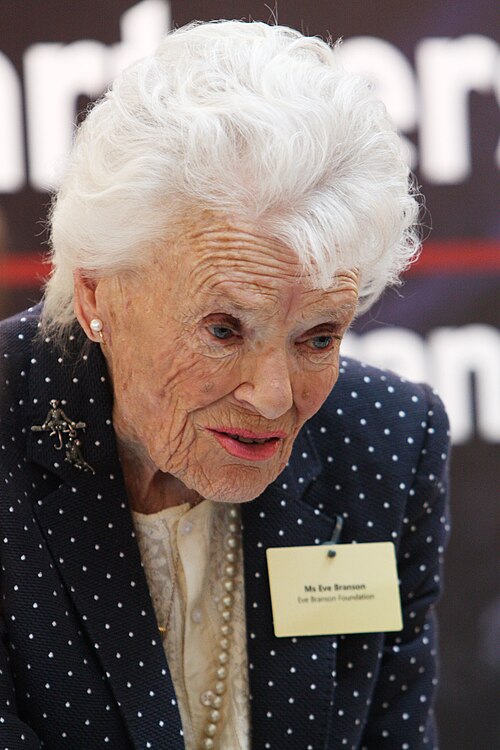
The people on the list above all died from 2020 on, and most of them were old: their median age at death is 80, and half died between about 73 and 84. That matches the CDC's figures for the country as a whole, where more than 81% of COVID-19 deaths occur in people over age 65. The list is also strongly male, with 18 men and 3 women.
What is COVID-19?
The virus is carried in tiny respiratory particles. The WHO says it spreads mainly through the air, especially in close contact or shared indoor spaces, and less often through touching contaminated surfaces and then the face. Symptoms usually begin 3 to 6 days after exposure and can last up to 10 days, longer in some people.
The WHO says most people recover from mild illness without treatment, and that anyone with trouble breathing or chest pain needs care at once. Some people also have lasting problems: the WHO estimates that about 6% of people develop post COVID-19 condition, often called long COVID, with symptoms such as fatigue and trouble concentrating.
Which risk factors can't be changed?
Age
Age is by far the strongest factor. The CDC says older adults are at the highest risk of becoming very sick, and that the number of deaths among people over 65 is 97 times higher than among people aged 18 to 29. Its treatment guidance singles out adults 75 or older as especially high risk.
Underlying conditions
The CDC's list of conditions that raise the risk of severe illness is long. In adults it includes cancer, stroke, chronic kidney, liver and lung disease, dementia, diabetes, heart conditions, HIV, a weakened immune system, and organ or stem cell transplants, among others. The agency notes that risk climbs as the number of conditions goes up, and that the list is not complete. The WHO names diabetes, heart and lung disease, obesity and immune suppression along with pregnancy.
A weakened immune system
Both the CDC and the WHO list a weakened immune system as a risk factor. In England, the NHS offers the COVID-19 vaccine below its usual age to people whose immune system is weakened by a condition or treatment, naming blood cancer, transplants, HIV, chemotherapy and long-term immunosuppressive treatment. The CDC's clinical guidance recommends vaccination for children 6 months to 17 years with moderate to severe immunocompromise.
Where people live and work
The CDC says where a person lives or works, and being unable to get health care, can raise the risk of severe illness, which affects many people in racial and ethnic minority groups and people with disabilities. The WHO adds health and care workers, because of their exposure at work, and lists unvaccinated people as a higher-risk group.
Which risk factors can be changed?
Vaccination
Vaccines are the main lever the WHO and CDC point to, but US guidance on who should get them changed in 2025 and the CDC's own pages now word it in different ways. Here is what each page said when we checked it.
- CDC clinical guidance (updated September 23, 2026): "Because of legal uncertainties and inquiries," the CDC states that the COVID-19 recommendations from the July 2025 immunization schedule remain in effect for the 2026-2027 respiratory illness season. The same page says a 2026-2027 COVID-19 vaccine is recommended for all adults 18 and older, and for children 6 months to 17 years with moderate to severe immunocompromise; for all other children, it is recommended through shared clinical decision-making.
- CDC vaccine page for health care providers (updated October 7, 2026): "Vaccination is based on individual-based decision-making (also known as shared clinical decision-making)," with schedules and dosing based on age and immune status.
- NHS (England): the COVID-19 vaccine is offered to people aged 75 or over, people aged 6 months to 74 with a weakened immune system, and people living in care homes for older adults, usually in spring and early winter, with 31 January 2027 as the last date for the current round.
- WHO: recommends a single dose for people not yet vaccinated, and says people at high risk may need another dose 6 to 12 months after their last one.
How much the vaccine helps
The WHO says COVID-19 vaccines protect well against severe disease, hospitalization and death but do little to stop the virus spreading. A CDC study of the 2024-2025 vaccine found that, in the first 7 to 119 days after a dose, it was about 45% to 46% effective at preventing hospitalization in adults 65 and older with healthy immune systems, compared with not getting that season's vaccine. The CDC's consumer vaccine page says people who are up to date have lower risk of severe illness.
Early antiviral treatment
For people at high risk who do get sick, timing matters. The CDC says COVID-19 treatments must be started within 5 to 7 days after symptoms first appear to work. The pills nirmatrelvir with ritonavir and molnupiravir must start within 5 days, and the infused drug remdesivir within 7. The CDC lists older adults, people with chronic lung or heart disease or a weakened immune system, and people who are unvaccinated or not up to date as candidates, and says a positive test is not required to start treatment in high-risk people.
Smoking, weight and activity
Several items on the CDC's list are things that can change. It includes current or former smoking, overweight and obesity, physical inactivity and substance use disorders among the factors that raise the risk of severe COVID-19. The page does not rank how much each one adds.
Limiting exposure
The WHO advises staying home when sick or after a positive test, wearing a well-fitted mask around others when symptomatic, and, for people at high risk, in crowded or poorly ventilated places. It also recommends clean hands, covering coughs and better indoor ventilation. The NHS asks adults who test positive to stay home for 5 days and to avoid people who are more vulnerable for 10 days.
What does not cause COVID-19, and what the vaccine does not do
"mRNA vaccines change your DNA"
They do not. The National Library of Medicine's MedlinePlus explains that the mRNA in these vaccines "does not enter the nucleus and does not alter DNA", and that cells break the mRNA down once they have made the protein it codes for.
"The vaccine stops you catching or passing it on"
This overstates it. The WHO says the vaccines have limited effect on preventing transmission; their main benefit is protection against severe disease and death. The WHO adds that vaccinated people can still spread the virus if infected, and advises anyone with symptoms or a positive test to stay at home and away from others.
"It's only a risk for the very old"
Age is the biggest factor, but not the only one. The CDC's list of higher-risk groups covers adults of any age with conditions such as diabetes, heart disease, obesity, pregnancy or a weakened immune system, and children with medical complexity, congenital heart disease or other chronic conditions.
Can it be caught early?
There is no screening program for COVID-19. What changes the outcome for high-risk people is testing or seeing a clinician soon after symptoms start, since the CDC says treatment works only if begun within the first 5 to 7 days.
What are the warning signs?
The CDC lists these emergency warning signs:
- trouble breathing
- persistent pain or pressure in the chest
- new confusion
- inability to wake or stay awake
- pale, gray or blue lips, nail beds or skin, depending on skin tone
The NHS adds sudden chest pain, breathlessness so bad a person cannot speak in short sentences at rest, coughing up blood, collapsing or fainting, and a rash that does not fade under a pressed glass. The CDC asks callers to tell the operator the person has or may have COVID-19. Call 911 (US), 999 (UK) or 112 (EU) at once.
What do the famous cases show?
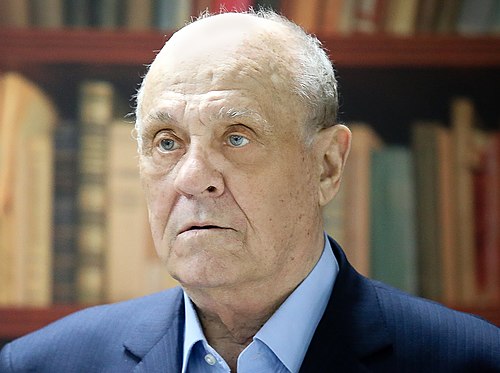
Colin Powell, the former US Secretary of State, died of complications of COVID-19 in 2021, aged 84. He was being treated for multiple myeloma, a blood cancer that weakens the immune system, so he had two of the risk factors the CDC lists: older age and cancer that weakened his immune system. The actress Dawn Wells died of complications related to COVID-19 in December 2020, aged 82, and the Soviet and Russian film director Vladimir Menshov died of it in 2021, aged 81.
The youngest person on the list is a reminder that age is not the whole story. Luke Letlow, a congressman-elect from Louisiana, died of complications of COVID-19 in December 2020, aged 41; the hospital reported he had no underlying conditions when admitted. One name on our list needs a caution: our record gives COVID-19 for the singer Meat Loaf, who died in 2022 aged 74 and had been ill with COVID-19 that month, but his Wikipedia entry says no official cause of death was released.
Across the notable people on this list, the median age at death is 80, with 18 men and 3 women. That is a picture of a small, famous group, not of the population: notable people are not a representative sample, causes of death are recorded from Wikidata and can be incomplete or loose, and every death here falls in the years since 2020, when vaccines, treatments and the virus itself were all changing quickly.
The short version
- Age is the dominant risk: the CDC says more than 81% of US COVID-19 deaths are in people over 65.
- Conditions such as cancer, diabetes, heart, lung and kidney disease, obesity and a weakened immune system add to it, and risk rises with each extra condition.
- Vaccination is the main lever. Current CDC, NHS and WHO wording differs and is set out above with the date of each page.
- For high-risk people, antiviral treatment started within 5 to 7 days of symptoms is the second lever.
- Trouble breathing, chest pain, new confusion or blue-gray lips are emergencies.
Sources
- WHO: Coronavirus disease (COVID-19) fact sheet - global cases and deaths, spread, risk groups, long COVID, prevention, vaccination.
- CDC: Underlying Conditions and the Higher Risk for Severe COVID-19 - age figures and conditions that raise risk.
- CDC: COVID-19 Treatment Options - who should get treatment and how soon.
- CDC: Symptoms of COVID-19 - emergency warning signs.
- CDC: Interim Clinical Considerations for Use of COVID-19 Vaccines - July 2025 schedule in effect, 2026-2027 recommendations.
- CDC: COVID-19 Vaccination, Information for Health Care Providers - individual-based decision-making wording.
- CDC: COVID-19 Vaccines - people who are up to date have lower risk of severe illness.
- CDC MMWR: Interim Estimates of 2024-2025 COVID-19 Vaccine Effectiveness - effectiveness against hospitalization in adults 65+.
- NHS: COVID-19 vaccine - who is eligible in England and by when.
- NHS: COVID-19 symptoms and what to do - staying home, when to call 111 or 999.
- MedlinePlus: What are mRNA vaccines and how do they work? - mRNA does not enter the nucleus or alter DNA.
How this was sourced
This article summarizes public health authorities and peer-reviewed research, linked at each claim, and the vaccine guidance is quoted as the CDC, NHS and WHO pages stated it on the dates given; it may change. The figures about notable people come from our own records, built from Wikidata and checked against each person's Wikipedia entry. We are not a medical site, and this is not medical advice: talk to a doctor about your own risk and about vaccination.