Chronic obstructive pulmonary disease, or COPD, is a long-term lung disease that narrows the airways and damages the lungs so that breathing, especially breathing out, gets steadily harder. Emphysema is one of its main forms. Worldwide it is a major killer: the World Health Organization counts about 3.4 million COPD deaths in 2023, roughly 6% of all deaths, which makes it the third leading cause of death globally. In the US, the CDC says nearly 16 million adults have COPD, and many more do not know it.
It is also largely preventable. The NHS describes COPD as "largely a preventable condition", and the main reason is that most cases trace back to tobacco smoke.
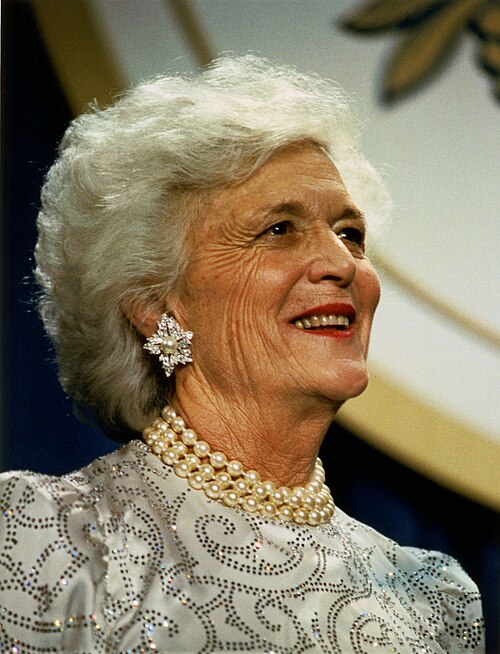
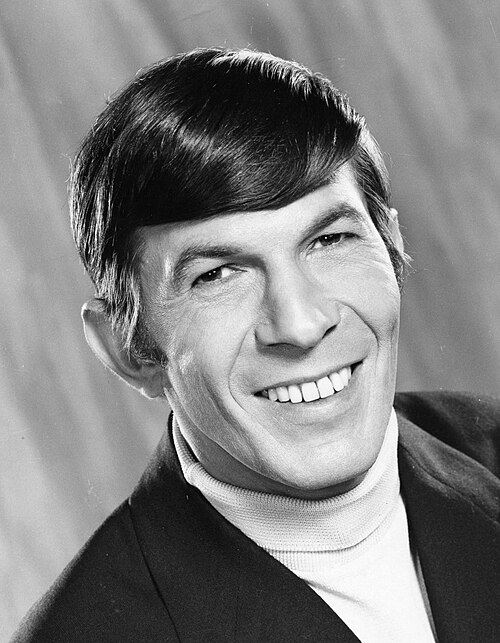
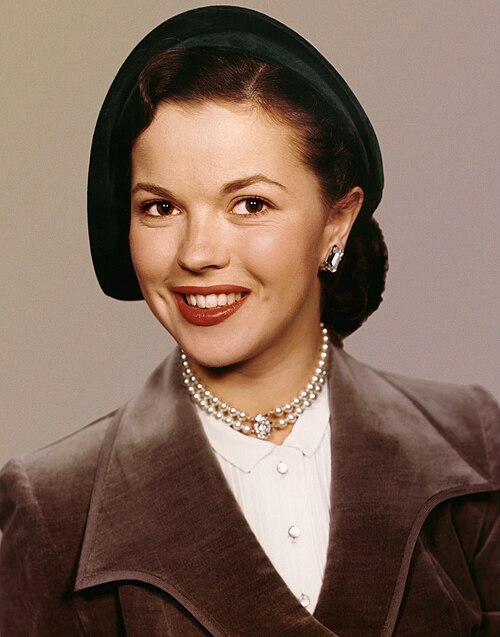
This list covers people whose recorded cause of death is COPD, emphysema, or the looser label "lung disease". Most of them were older: the median age at death among the notable people we track is 75.5. The list leans male, with roughly three men for every woman. That male skew may say more about the past than the present; the National Heart, Lung, and Blood Institute notes that more than half of US adults diagnosed with COPD are women.
What is COPD?
COPD is an umbrella term for two overlapping conditions, and the NHLBI says most people with COPD have some of each:
- Emphysema damages the walls between the lungs' tiny air sacs. Healthy air sacs stretch as they fill and spring back to push air out. When that springiness is lost, air gets trapped and is hard to breathe out.
- Chronic bronchitis is ongoing irritation and inflammation of the lining of the airways, which swell and produce thick mucus that clogs them.
The damage builds slowly over years, usually after long exposure to something that irritates the lungs. It cannot be undone. The NHS says the lung damage is permanent and the condition cannot be cured, though treatment can slow it down and ease symptoms. MedlinePlus lists the main treatments as quitting smoking, inhaled medicines that open the airways, vaccines, oxygen for severe cases and pulmonary rehabilitation.
COPD also raises the risk of other diseases. The NHS lists it as a condition that makes people more likely to get lung cancer, and the NHLBI notes that people with COPD often have other conditions, including heart disease. The site's lung cancer page covers that disease separately.
Which risk factors can't be changed?
Age
COPD usually shows itself in middle age or later. The NHLBI says most people are at least 40 when symptoms start, usually alongside another risk factor such as smoking. That is less about age itself than about decades of exposure adding up.
Genes: alpha-1 antitrypsin deficiency
A small number of people inherit a condition that leaves their lungs short of a protective protein. The American Lung Association calls alpha-1 antitrypsin deficiency the most common genetic form of emphysema, found only by a blood test. The NHLBI says its symptoms usually appear between ages 20 and 50, that smoking damages these lungs especially easily, and that many people with it do not know they have it. It advises people diagnosed with COPD to ask about testing, particularly if they were diagnosed in their 40s or 50s or have a family history of the deficiency.
Family history
Beyond alpha-1, COPD runs in families. The CDC lists a family history of COPD as a risk factor, and the NHLBI says that family history makes people who smoke more likely to develop the disease.
How the lungs grew
Lungs that never reached full size are more vulnerable. The WHO lists early-life factors including preterm birth, poor growth in the womb, severe childhood chest infections and childhood asthma. The NHLBI adds that a mother smoking during pregnancy or a child breathing polluted air can limit lung growth, and that some people have small airways for the size of their lungs, which is tied to higher risk even without smoking.
Sex
Men and women get COPD, but it may affect them differently. The NHLBI suggests that women's smaller lungs may make their airways more prone to narrowing when exposed to irritants, and the American Lung Association says more women than men live with COPD.
Which risk factors can be changed?
Smoking: the main cause
Tobacco smoke is the dominant cause wherever people smoke heavily. The NHLBI says about 3 in 4 people with COPD smoke or used to smoke, and the NHS puts smoking behind around 9 in every 10 cases in the UK. The WHO's global figures show how much the share depends on where people live: tobacco causes over 70% of COPD cases in high-income countries but 30% to 40% in low- and middle-income countries, where other exposures matter more.
Switching to other forms of tobacco is not a fix. MedlinePlus names pipe and cigar smoke among the irritants that can contribute, and the American Lung Association says e-cigarettes and cigars also raise COPD risk.
Quitting
Quitting is the most important single step at every stage. The NHLBI says the best way to prevent COPD is to quit, or never to start, and that stopping is also the most important way to slow the disease once it has begun. The NHS says quitting can stop further damage to the lungs. The WHO frames the advice as quitting smoking or vaping.
Secondhand smoke
Breathing other people's smoke counts too. The CDC lists secondhand smoke among COPD risk factors, the WHO includes it alongside active smoking, and the NHS notes that some research links passive smoking to higher risk.
Household air pollution
In low- and middle-income countries this is a major cause. The WHO points to smoke from cooking and heating with wood, other biomass or coal, which is most common in low- and middle-income countries, and notes that nearly 90% of COPD deaths in people under 70 happen in those countries. The NHLBI also lists indoor smoke from cooking or heating without good ventilation.
Outdoor air pollution
The evidence here is real but less settled. The American Lung Association says long-term exposure to fine particles (PM2.5) and nitrogen dioxide increases COPD risk, from sources such as traffic, factories, power plants, wood burning and wildfires. The NHS is more cautious, saying long-term exposure may increase the risk, but the evidence is not conclusive.
Dust and fumes at work
Some jobs carry a measurable risk. The American Lung Association says workplace exposures account for 10% to 20% of symptoms or lung damage consistent with COPD. The NHS names cadmium, grain and flour dust, silica dust, welding fumes, isocyanates and coal dust, and says smoking on top of these exposures raises the risk further.
Infections and vaccination
The NHLBI lists HIV and tuberculosis among the infections linked to COPD. For people who already have it, chest infections are a common trigger of dangerous flare-ups, and the WHO recommends flu, pneumonia and COVID-19 vaccines and staying physically active.
What does not cause COPD, and what is myth?
"Only smokers get it"
Smoking is the main cause, but far from the only one. The American Lung Association says 1 in 4 people living with COPD never smoked, and the CDC states that nonsmokers can get COPD.
"Being out of breath is just getting older"
This belief delays diagnosis. The American Lung Association warns that people often put shortness of breath down to "just getting older", so COPD is frequently found only once it is advanced.
"Vaping is a safe way out"
E-cigarettes are not presented as harmless by any of the sources reviewed here. The NHLBI advises people with COPD not to use e-cigarettes or vaping to quit smoking, and the American Lung Association lists them among products that raise COPD risk.
"Once you have it, nothing helps"
There is no cure, but that does not mean nothing can be done. The NHLBI says treatment and changes such as quitting can help people feel better, stay active and slow the disease.
Can it be caught early?
Not by routine screening. The US Preventive Services Task Force recommends against screening for COPD in adults without symptoms (a grade D recommendation, reaffirmed in 2022). That advice does not cover people who already have a chronic cough, wheeze or breathlessness, or very high-risk groups such as people with alpha-1 antitrypsin deficiency.
For people with symptoms, the key test is spirometry, a simple breathing test that measures how much air a person can blow out and how fast. The NHLBI says it can detect COPD before symptoms are recognized. The NHS advises seeing a GP about persistent symptoms, particularly for people over 35 who smoke or used to, because treatment works best before much damage is done.
What are the warning signs?
The early signs are easy to dismiss. The NHLBI lists shortness of breath on exertion, a lasting cough (often the first sign), wheezing, chest tightness and tiredness. The NHS adds frequent chest infections. The NHS advises seeing a GP about persistent symptoms.
For people already living with COPD, a flare-up can turn dangerous quickly. The NHLBI says to call 911, or have someone call, for any of these:
- Struggling to catch a breath or to talk
- Lips or fingernails turning blue or gray
- Others noticing the person is not mentally alert
- A very fast heartbeat
- No improvement after the usual treatment for a flare-up
Call 911 (US), 999 (UK) or 112 (EU) at once.
What do the famous cases show?
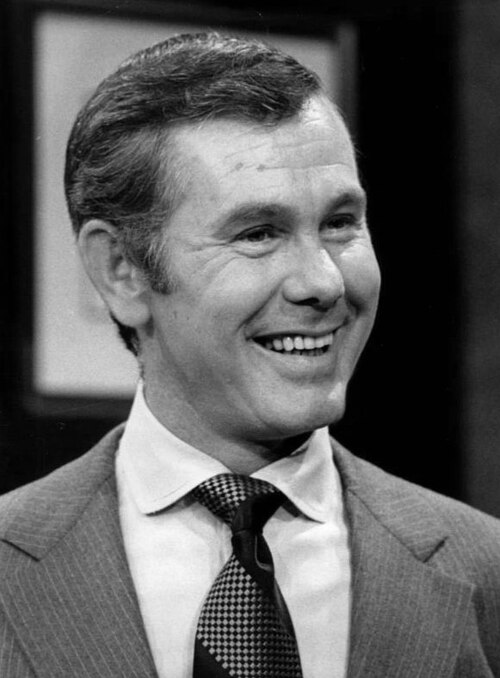
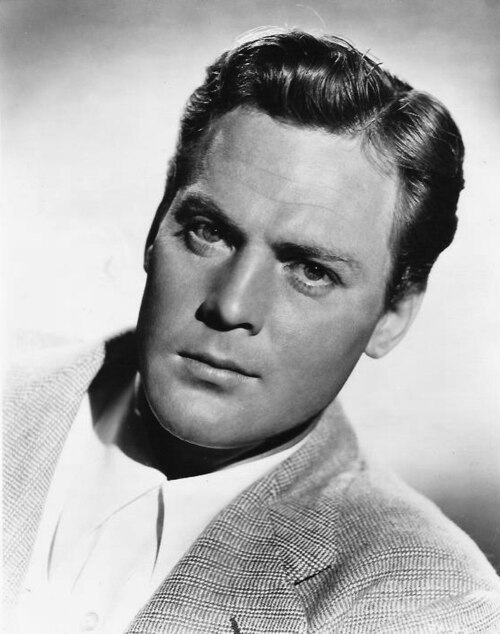
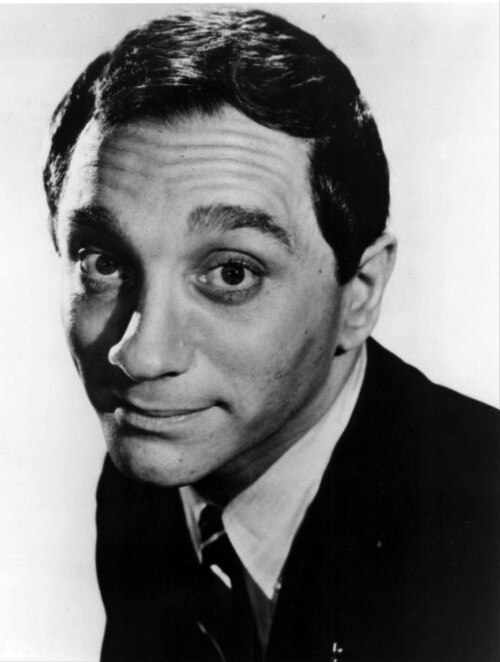
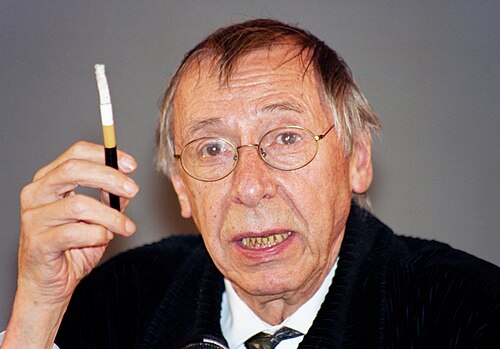
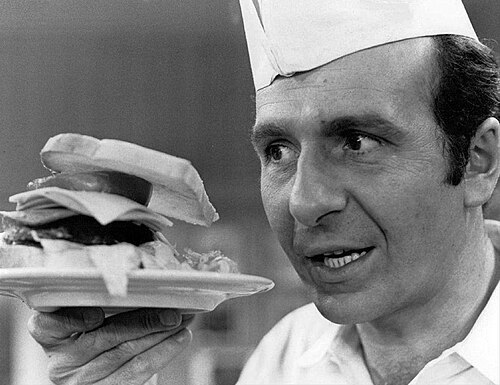
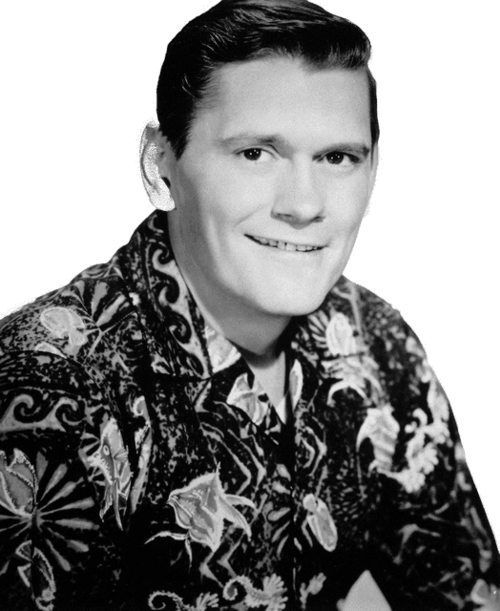
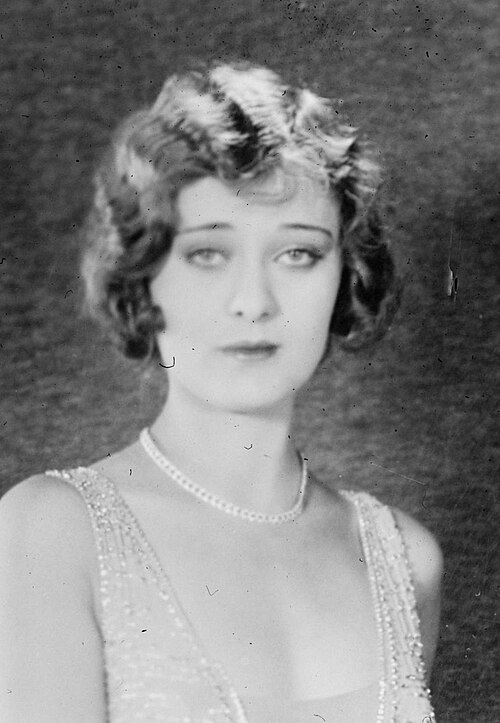
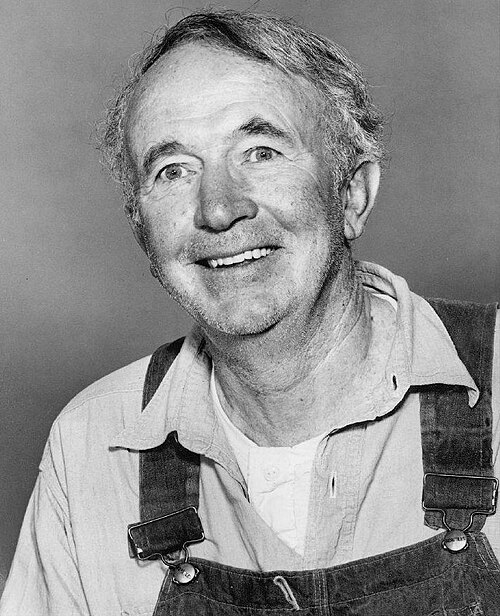
Johnny Carson, the longtime host of The Tonight Show, died in 2005 at 79; his Wikipedia biography gives the cause as respiratory failure from emphysema, a disease he disclosed in 2002. Dick York, who played Darrin Stephens on Bewitched, died of complications of emphysema in 1992 at 63.
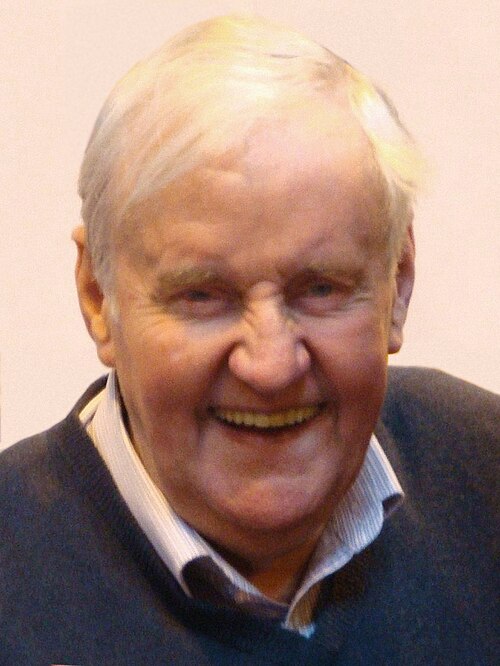
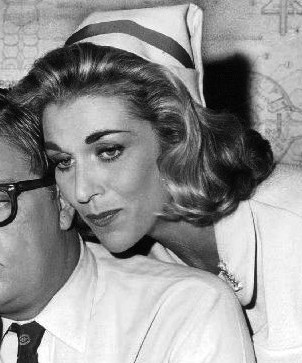
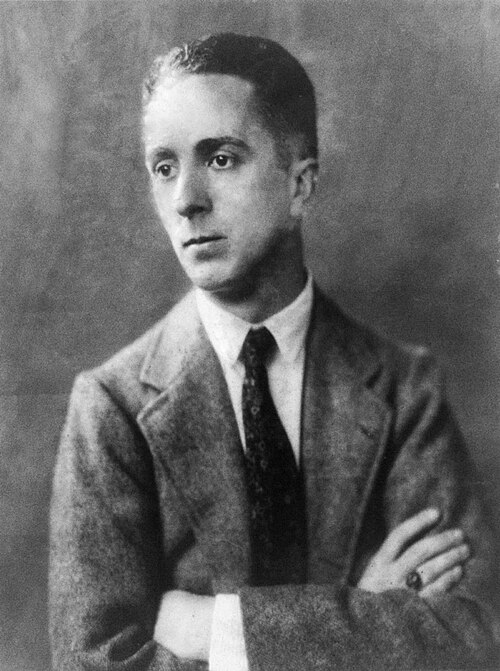
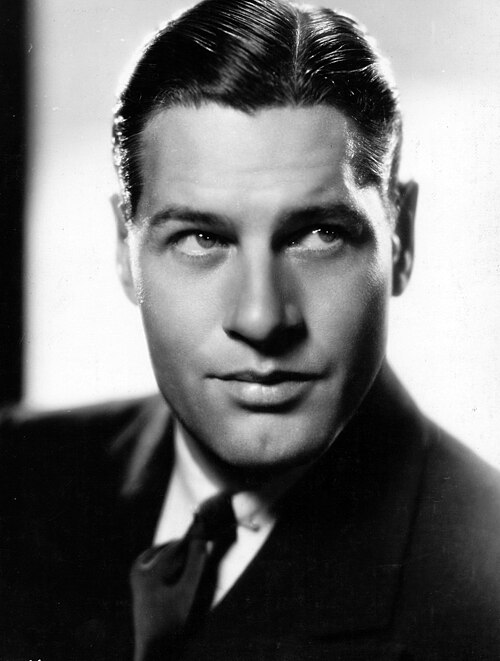
The painter Norman Rockwell died of emphysema in 1978 at 84. The English actor Richard Briers was diagnosed with emphysema in 2007 and died of COPD in 2013 at 79. Christine Keeler, the model at the center of a Cold War scandal involving a British government minister, had been ill with COPD for months before her death in 2017 at 75.
Among the notable people on this list, the median age at death is 75.5, and half died between about 67 and 82. The age range is wide, from 39 to 93.
A caveat: notable people are not a representative sample. Causes of death come from Wikidata and can be incomplete or loose; this list includes some records that say only "lung disease", which may not always mean COPD. History matters too: the list reaches back to the 1880s, and a 19th-century death recorded as a chronic lung disease says little about risk now. Karl Marx, on this list for 1883, died of what his Wikipedia biography calls bronchitis and pleurisy, diagnosed without the tests used today.
The short version
- Not smoking, or quitting at any point, is by far the strongest lever: smoking is behind most cases in countries like the US and UK, and stopping slows the damage.
- Avoiding secondhand smoke, smoky indoor cooking and heating, and workplace dust and fumes lowers risk, and those exposures matter more where fewer people smoke.
- About 1 in 4 people with COPD never smoked, and the NHS advises seeing a GP about persistent symptoms, where a breathing test (spirometry) can confirm the diagnosis.
- There is no routine screening; spirometry is for people with symptoms or high risk, and alpha-1 testing for those diagnosed young or with a family history.
- In a flare-up, the NHLBI lists struggling to talk, blue lips or reduced alertness as reasons to call 911.
Sources
- World Health Organization: Chronic obstructive pulmonary disease (COPD) fact sheet - global deaths and rank, tobacco share by income, household air pollution, early-life factors, prevention and vaccines.
- NHLBI: What Is COPD? - emphysema and chronic bronchitis, women's share, no cure but treatment helps.
- NHLBI: COPD, Causes and Risk Factors - 3 in 4 smoke or smoked, age 40, lung growth, sex, infections, family history.
- NHLBI: COPD, Symptoms - symptoms, flare-ups, when to call 911, heart disease.
- NHLBI: COPD, Prevention - quitting, irritants, vaping advice.
- NHLBI: COPD, Diagnosis - spirometry, alpha-1 testing.
- NHLBI: Alpha-1 Antitrypsin Deficiency - age of symptoms, smoking effect, underdiagnosis.
- MedlinePlus: COPD - pipe and cigar smoke, treatments.
- CDC: About COPD - US adults with COPD, risk factors, nonsmokers.
- American Lung Association: What Causes COPD - never-smokers, workplace share, air pollution, alpha-1, e-cigarettes.
- American Lung Association: Learn About COPD - women, "just getting older" myth, late diagnosis.
- NHS: Chronic obstructive pulmonary disease (COPD) - preventable, permanent damage, GP advice for over-35 smokers.
- NHS: COPD, causes - 9 in 10 cases from smoking, passive smoking, workplace substances, air pollution caution.
- NHS: Lung cancer, causes - COPD as a lung cancer risk factor.
- US Preventive Services Task Force: COPD, Screening - grade D, against screening adults without symptoms.
How this was sourced
This article summarizes public health authorities and peer-reviewed research, and each claim links to the page it came from. We read every linked page while writing it. It is not medical advice and cannot tell you your own risk; talk to a doctor about your own breathing, history and exposures.