A blood clot becomes dangerous when it forms where it should not, inside a vein or artery, and blocks the flow of blood. Many of the deaths on this page are from pulmonary embolism, in which a clot that began in a deep vein, usually in the leg, breaks free and lodges in the lungs. Doctors call deep vein clots and lung clots together venous thromboembolism, or VTE, and the World Health Organization counts them among the cardiovascular diseases.
VTE is common and often missed. The CDC estimates that up to 900,000 people in the US are affected each year and that 60,000 to 100,000 Americans die of it. For about a quarter of people with a pulmonary embolism, the agency says, sudden death is the first symptom. Yet it calls clots an underdiagnosed but preventable condition.
The notable people on the list above died at a median age of 69, and half of them between 62 and 75; none was younger than 52. That matches a risk that climbs steadily with age. The group is small and leans male, with 14 men and 5 women, and every death in it dates from 1919 or later.
What is a blood clot, and what is a pulmonary embolism?
Clotting is normally a repair process that stops bleeding. Trouble starts when a clot forms in a vessel that is not injured, or does not dissolve. The National Heart, Lung, and Blood Institute describes deep vein thrombosis (DVT) as a clot in a deep vein, usually in the lower leg, thigh or pelvis, and pulmonary embolism (PE) as what happens when such a clot breaks loose and travels through the bloodstream to the lungs. A large clot, or several, can block enough of the lung's circulation to strain the heart and cause death.
The family on this page also includes deaths recorded simply as "thrombosis". Clots can form in arteries too, and there they cause other emergencies: MedlinePlus notes that clots elsewhere in the body can lead to an ischemic stroke, a heart attack or kidney failure. Those deaths are mostly covered on our pages about heart attack and stroke. This page focuses on clots in the veins.
Clots that do not kill still cause harm. The CDC says one third to one half of people who have had a DVT go on to develop post-thrombotic syndrome, a lasting condition of leg pain and swelling, and about a third of people with VTE have another within 10 years.
Which risk factors can't be changed?
Age
The NHLBI says the chance of VTE nearly doubles every 10 years after age 40. The NHS lists being over 60 among the ongoing factors that raise the risk of a leg clot.
Sex and hormones over the life course
Before menopause, the NHLBI says, women are more likely than men to get VTE, largely because of pregnancy and hormones; after menopause the risk is higher in men. The CDC says women are five times more likely to have a VTE during pregnancy, childbirth or the 3 months after delivery.
Genes and family history
The NHLBI notes that dozens of inherited gene changes can raise VTE risk. The CDC lists a family history of DVT or PE, and the NHS lists thrombophilia, a tendency for the blood to clot more easily.
A previous clot
Having had one clot is among the strongest signals of another. The NHLBI lists a history of blood clots as a risk factor, and the CDC's recurrence figure of about one in three within a decade shows why people who have had a clot are often kept under closer watch.
Long-term illnesses
Cancer stands out. The CDC says about one in five VTE cases is related to cancer and its treatment. The NHS also lists heart failure, varicose veins, inflammatory bowel disease and vasculitis, and the NHLBI includes infections such as COVID-19.
Which risk factors can be changed?
Many clots are triggered by a temporary situation, which means the risk can be planned for. The CDC sorts the causes into groups such as slowed blood flow and injury to the veins, and notes that risk rises when several factors are present at once.
Hospital stays and surgery
Hospital care is one of the biggest sources of clots, and of preventable ones. The CDC says more than a third of yearly VTE cases follow a recent hospital stay, that as many as 70% of those could be prevented, and that fewer than half of hospital patients receive preventive measures. Major operations on the abdomen, pelvis, hip or legs carry particular risk, and the NHLBI says the chance of a clot is highest in the first 3 months after surgery.
Prevention here is medical. The NHLBI describes blood thinners, compression stockings and inflatable leg sleeves, and advises patients to ask early for a plan to prevent clots before a procedure. It also recommends moving as soon as a doctor allows, or flexing the feet if walking is not yet possible. The NHS says the healthcare team should check the DVT risk of anyone admitted and may prescribe preventive medicine or stockings.
Not moving for long periods
Blood in the legs moves when the calf muscles squeeze it along. The CDC lists confinement to bed, a leg in a cast and sitting for a long time, especially with crossed legs as risk factors. The NHS includes bed rest for 3 days or more and advises standing and moving about roughly every hour during long periods of sitting.
Long journeys
The NHLBI says flights of more than 4 hours more than double the likelihood of VTE. In absolute terms the risk for a single trip is small: the CDC's travel guidance cites one study that found 1 case per 4,656 person-flights of over 4 hours, and says most travel-related clots happen in people who already have other risk factors. Risk from flights under 4 hours is negligible.
The NHLBI suggests standing and walking every 1 to 2 hours if possible, and the NHS suggests moving the legs, feet and toes every 30 minutes while seated. On stockings, a 2021 Cochrane review of 12 trials with 2,918 passengers on flights of more than five hours found high-certainty evidence that they cut symptomless DVT from a few tens per thousand passengers to two or three per thousand; the trials recorded no pulmonary emboli or deaths, so their effect on those outcomes is unknown.
Estrogen: the pill and HRT
The CDC lists estrogen-containing contraceptives and hormone replacement therapy as risk factors, and the NHS names the combined pill, the patch and the vaginal ring. The absolute risk is low: the NHS says clots affect up to 1 in 1,000 people using combined hormonal contraception. It is still a factor that adds to others, such as surgery, smoking or a family history.
Weight and smoking
The CDC and NHS both list overweight and obesity, and the NHLBI links obesity to inflammation and damage to the lining of blood vessels. The NHS lists smoking as a risk factor and its prevention advice includes keeping a healthy weight, staying active, not smoking and limiting alcohol. MedlinePlus also lists smoking, diabetes and atherosclerosis among the conditions that raise clot risk.
What does not cause blood clots, and what is myth?
"Long-haul flights are the main cause of clots"
Flights get the headlines, but hospital stays are tied to more than a third of US cases, according to the CDC, while the risk per long flight is about 1 in 4,656, mostly in travelers who already had other risk factors.
"Drinking lots of water on a plane prevents clots"
It is harmless advice, but the CDC's travel guidance says there is no evidence linking dehydration to travel-related clots, so staying hydrated cannot be recommended specifically to prevent them.
"Everyone should take an aspirin before a long flight"
Guidelines do not say this, and they differ in the details. The CDC notes that the American College of Chest Physicians advises against aspirin to prevent clots in long-distance travelers, while the American Society of Hematology suggests aspirin only for high-risk travelers when compression stockings or low-molecular-weight heparin are not feasible.
"A clot always causes obvious symptoms"
Not always. The NHLBI says VTE sometimes causes no symptoms until serious complications develop, and that some people with a pulmonary embolism have no symptoms at all.
Can it be caught early?
There is no screening test for clots in healthy people. Prevention depends on recognizing high-risk moments instead: the NHS says hospital teams should check the risk of anyone admitted and the NHLBI advises raising the question with a doctor before surgery or a hospital stay. When a DVT is suspected, the NHS says the person should be referred to hospital within 24 hours for an ultrasound scan.
What are the warning signs?
Treatment with blood thinners works well when a clot is found in time; the NHS says full recovery from a pulmonary embolism is likely if it is caught and treated early. Signs of a clot in the leg (DVT), per the NHS, include:
- throbbing pain in one leg, usually in the calf or thigh
- swelling in one leg
- red, blue or darkened skin around the painful area, and swollen veins
The NHS advises contacting a GP urgently or calling NHS 111 for a suspected DVT. Signs that a clot may have reached the lungs (PE) include:
- sudden difficulty breathing
- chest or upper back pain, often worse when breathing in
- a very fast heartbeat, coughing up blood, or fainting
The NHS says not to drive yourself to hospital with these symptoms. Call 911 (US), 999 (UK) or 112 (EU) at once.
What do the famous cases show?
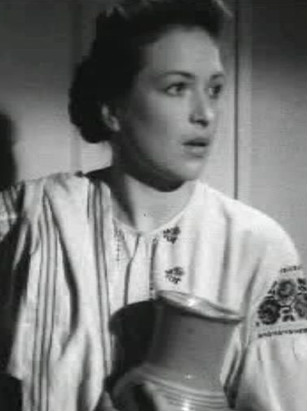
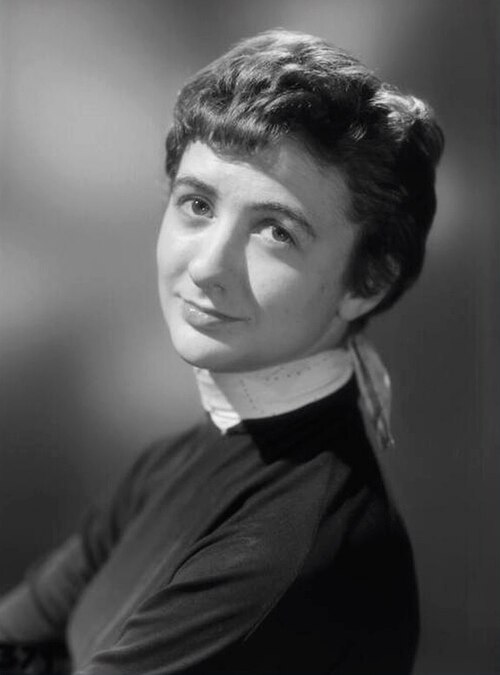
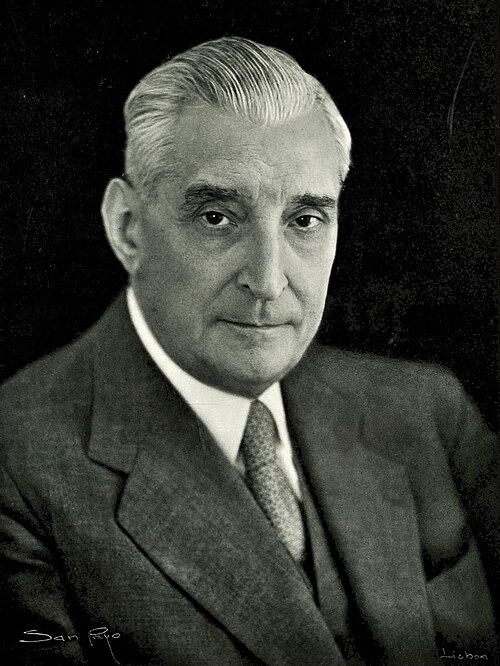
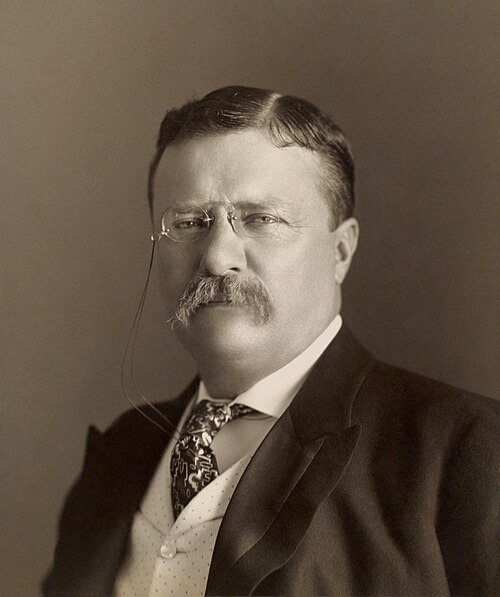
Theodore Roosevelt, the 26th US president, died in his sleep in 1919 at 60 of a pulmonary embolism, the earliest death in this group. Dennis Farina, the former Chicago detective turned actor, died of a pulmonary embolism in 2013 at 69, the median age for this list.
Glenne Headly, the actress, died in 2017 at 62 of complications from a pulmonary embolism. The comedian Garry Shandling died in 2016 at 66 of a clot that traveled from his leg to his lungs, the textbook path from DVT to PE. Tab Hunter, the 1950s screen star, died in 2018 at 86, of cardiac arrest brought on by complications of a deep vein thrombosis.
Across the notable people on this list, the median age at death is 69. The group is small, so the number moves easily, and notable people are not a representative sample: they skew male and toward entertainers and public figures. Causes of death come from Wikidata and can be incomplete; a clot death can be recorded under another cause, such as cardiac arrest, as Tab Hunter's case shows. And history matters: Roosevelt died decades before modern blood thinners and routine clot prevention in hospitals.
The short version
- Many clot deaths are pulmonary embolisms that start as a clot in a leg vein.
- Risk rises with age, and with surgery, hospital stays, cancer, pregnancy, estrogen, obesity and long periods without moving.
- Hospital-linked clots are a large, often preventable group; asking for a clot-prevention plan before surgery or admission is what the NHLBI advises.
- On long trips, getting up and moving the legs regularly helps, and compression stockings reduce silent clots on long flights.
- One painful, swollen leg is a reason to get urgent medical advice; sudden breathlessness or chest pain is an emergency.
Sources
- World Health Organization: Cardiovascular diseases (CVDs) fact sheet - DVT and PE as cardiovascular diseases.
- CDC: Data and Statistics on Venous Thromboembolism - US cases, deaths, sudden death, recurrence, hospital and cancer links, pregnancy.
- CDC: Risk Factors for Venous Thromboembolism - surgery, immobility, estrogen, age, family history, obesity.
- CDC Yellow Book: Deep Vein Thrombosis and Pulmonary Embolism - travel risk, dehydration, aspirin.
- NHLBI: What Is Venous Thromboembolism? - DVT and PE defined.
- NHLBI: VTE Causes and Risk Factors - age, sex, genes, illness, prior clots.
- NHLBI: VTE Symptoms - clots that cause no symptoms.
- NHLBI: Preventing Blood Clots - surgery, hospital prevention, travel advice.
- NHLBI: Pulmonary Embolism - PE symptoms and silent cases.
- MedlinePlus: Blood Clots - clots in other parts of the body, risk factors.
- NHS: Deep vein thrombosis (DVT) - symptoms, risk factors, hospital assessment, prevention.
- NHS: Pulmonary embolism - symptoms, when to call 999, travel advice, outlook.
- NHS: Combined pill side effects and risks - clot risk with combined hormonal contraception.
- Cochrane: Compression stockings for preventing DVT in airline passengers (2021) - effect of stockings on long flights.
How this was sourced
This article summarizes guidance from public health authorities and findings from peer-reviewed research, each linked at the claim it supports. The famous cases and the median age come from our own records, which draw on Wikidata. We are not doctors, and this is not medical advice: talk to a doctor about your own risk of blood clots, especially before surgery, during pregnancy or when starting hormone treatment.