Pancreatic cancer is a cancer that starts in the pancreas, the gland behind the stomach that makes digestive juices and hormones such as insulin. It is not one of the most common cancers, but it is one of the deadliest. The American Cancer Society says it accounts for about 3% of US cancers but about 8% of US cancer deaths, and it expects about 67,530 diagnoses and 52,740 deaths in 2026.
The reason is timing. Early pancreatic tumors often cause no signs or symptoms, so the common type is usually found at an advanced stage. Across all stages, the ACS reports a five-year relative survival rate of 13%.
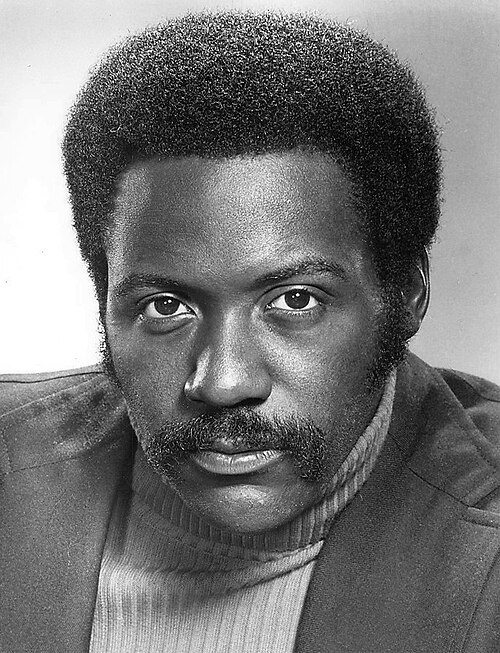
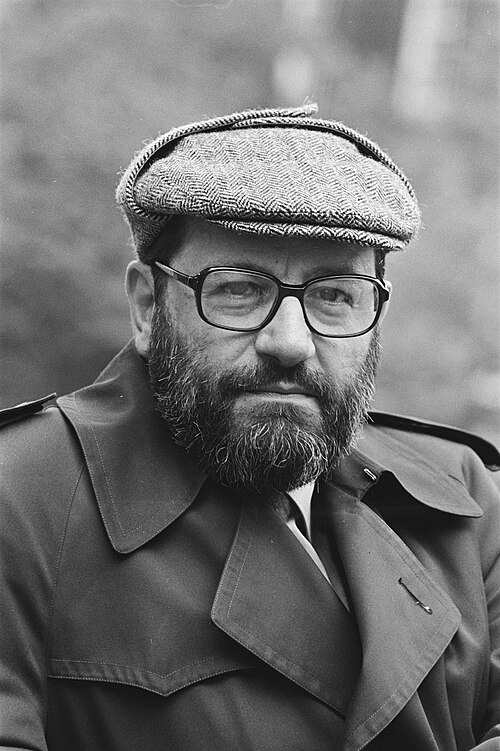
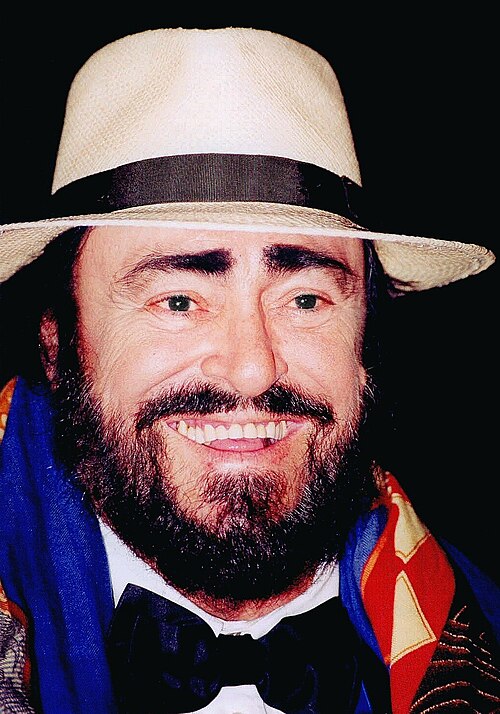
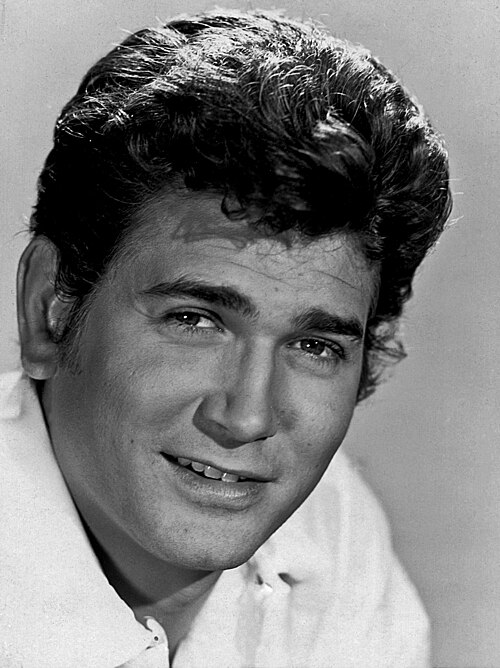
The people on the list above mostly died in their 60s and 70s, with a median age of 71, close to the ACS's average age at diagnosis of 70. What stands out is the sex split: more than three men for every woman. In the general US population the disease is close to even, with the ACS estimating 35,190 men and 32,340 women diagnosed in 2026, so the imbalance on this list reflects who became famous more than who gets sick.
What is pancreatic cancer?
The pancreas has two jobs, and it has two broad kinds of cells to do them. The National Cancer Institute explains that pancreatic cancer can begin in either of two kinds of cells, exocrine or endocrine: exocrine cells make digestive enzymes, and endocrine cells make hormones. The two behave very differently. The exocrine type is more common and is usually found at an advanced stage, while pancreatic neuroendocrine tumors are rarer and tend to have a better outlook. When people say "pancreatic cancer" they usually mean the more common exocrine kind.
Stage at diagnosis makes an enormous difference. For cancers found while still confined to the pancreas, the ACS puts five-year relative survival at 44%. That falls to 17% once it has reached nearby lymph nodes or structures, and 3% once it has spread to distant organs.
Lifetime risk is modest. The ACS estimates the average chance of developing pancreatic cancer at about 1 in 56 for men and 1 in 60 for women.
Which risk factors can't be changed?
Age
Risk rises steadily with age. The NCI says nearly two-thirds of people are diagnosed at 65 or older, and the ACS notes that almost all patients are older than 45. The NHS describes the disease as uncommon in people under 40.
Inherited gene changes and family history
Some families carry a much higher risk. The NCI estimates that up to 10% of pancreatic cancers are linked to inherited genetic syndromes. The ACS names several, including mutations in the BRCA1 and BRCA2 genes, Lynch syndrome and Peutz-Jeghers syndrome, as well as an inherited form of chronic pancreatitis. Risk may also be higher for people with a parent or sibling, or several more distant relatives, who had pancreatic cancer or pancreatitis, according to the NCI.
Still, the ACS points out that most people who get pancreatic cancer have no family history of it.
Sex and race
The ACS says men are slightly more likely than women to develop it, and that African Americans are slightly more likely than white Americans. Both gaps are small next to the effect of smoking.
Which risk factors can be changed?
The NCI is blunt that nothing can prevent pancreatic cancer outright, but it lists not smoking, limiting alcohol and keeping a healthy weight and diet as ways that may lower the odds. The evidence is strongest for smoking.
Smoking
Smoking is the best-established avoidable cause. The ACS says the risk of pancreatic cancer is about twice as high among people who smoke and that smoking is thought to cause about 25% of cases. A 1996 prospective study in Archives of Internal Medicine that followed about 118,000 women and 49,000 men found a relative risk of 2.5 for current smokers, and estimated that 25% of pancreatic cancers were attributable to cigarette smoking.
The same study offers a hopeful finding about quitting. Former smokers had a 48% lower risk within 2 years of quitting than people who kept smoking, and their risk approached that of never-smokers within 10 years. The NHS lists smoking among the main risk factors and advises stopping.
Excess body weight
Obesity is one of the at least 13 cancers the NCI links to excess weight, and pancreatic cancer is on that list. The ACS puts the size of the effect at about 20% higher risk for people with obesity, defined as a BMI of 30 or more. The NHS also lists being overweight as a risk factor.
Diabetes
Diabetes and pancreatic cancer are tangled together. The NCI says having diabetes raises the risk, and the ACS notes that most of that risk is seen in type 2 diabetes. The link also runs the other way: the NCI notes that newly diagnosed diabetes can itself be a symptom of a tumor that is damaging the insulin-making cells.
Chronic pancreatitis and alcohol
Long-term inflammation of the pancreas, called chronic pancreatitis, increases the risk, according to the NCI. Alcohol enters the picture here: the NCI says excessive alcohol may raise pancreatic cancer risk partly by causing it. The NCI's alcohol fact sheet places pancreatic cancer among the cancers with some evidence of a link to alcohol, weaker than the evidence for mouth, throat or liver cancer. The NHS recommends keeping alcohol to 14 units a week or less.
Diet
The evidence on food is less settled. The ACS says diets high in red and processed meat and saturated fat may increase risk, as may sugary drinks, but that more research is needed. The NHS links eating a lot of processed and red meat, such as ham, bacon and salami, to higher risk.
Workplace chemicals
Heavy exposure to some chemicals used in dry cleaning and metal working may raise risk, the ACS says. The NCI adds that more research is needed on these exposures.
Infections and inactivity
The ACS lists H. pylori stomach infection, hepatitis B and physical inactivity as possible factors where the studies do not yet agree.
What does not cause pancreatic cancer?
- Coffee. A worry about coffee goes back decades. The ACS says some older studies suggested a link, but newer studies have not confirmed it.
- "It runs in my family, so I will get it." Inherited syndromes account for up to 10% of cases. Many people with risk factors never develop the disease, the NCI notes, while others with no known risk factors do.
- "It is always fatal." Survival is poor overall, but it is much better when the cancer is found early: 44% at five years for cancer confined to the pancreas. Neuroendocrine tumors, the rarer kind, generally carry a better prognosis.
- A routine blood test or scan catches it. No such test exists yet for people at average risk, as the next section explains.
Can it be caught early?
Not for most people. The NCI states that there are no standard screening tests for pancreatic cancer, and the US Preventive Services Task Force recommends against screening adults who have no symptoms. The CDC, too, lists pancreatic cancer among those where screening has not been shown to reduce deaths.
High-risk groups are the exception. The USPSTF advice does not apply to people with inherited genetic syndromes or a family history of the disease. The NCI says people at increased risk, such as those with two or more close relatives with pancreatic cancer, should be screened, usually with CT, endoscopic ultrasound or MRI, though researchers are still working out which test is best and how often to repeat it.
When should someone see a doctor?
Most of these symptoms have other, more common causes, but they are worth having checked. The ACS lists:
- Yellow skin or eyes (jaundice), often with dark urine, pale or greasy stools and itchy skin.
- Belly or back pain, which is common, especially with tumors in the body or tail of the pancreas.
- Weight loss without trying and poor appetite, which the ACS calls very common in people with the disease.
- New diabetes, with thirst, hunger and frequent urination, or blood sugar changes seen only on tests.
The NHS treats yellowing of the skin or the whites of the eyes as urgent and advises people to ask for an urgent GP appointment or contact NHS 111.
What do the famous cases show?
- Steve Jobs, the Apple co-founder, died in 2011 at 56. Accounts of his illness describe a pancreatic neuroendocrine tumor diagnosed in 2003, the rarer type, not the more common exocrine type.
- Aretha Franklin died in 2018 at 76, also of a pancreatic neuroendocrine tumor.
- Patrick Swayze died in 2009 at 57. He was diagnosed with stage IV disease in early 2008, weeks after symptoms began.
- Alex Trebek, the Jeopardy! host, announced a stage IV diagnosis in March 2019 and died in 2020 at 80.
- Ruth Bader Ginsburg died in 2020 at 87 from complications of metastatic pancreatic cancer.
Two patterns show up. Swayze and Trebek were both diagnosed at stage IV, which matches how the disease usually presents. And Jobs and Franklin had the rarer neuroendocrine type; Jobs lived about eight years after his 2003 diagnosis. Among the notable people on this list, the median age at death is 71; the youngest died at 46 and the oldest at 92.
A few cautions apply. Notable people are not a representative sample of anyone, which is why men outnumber women here far more than in the population. Causes of death come from Wikidata and can be incomplete or loose; "pancreatic cancer" can cover both the common and the rare type. And nothing on this page implies that any named person's habits caused their illness.
The short version
- Pancreatic cancer is uncommon but often deadly, mainly because it is usually found late.
- Smoking roughly doubles the risk and is behind about a quarter of cases; quitting lowers the risk within a few years.
- Obesity, type 2 diabetes and chronic pancreatitis raise the odds, and heavy drinking may too.
- There is no screening test for people at average risk, but people with strong family histories or inherited syndromes may qualify for screening.
- Jaundice, unexplained weight loss, persistent belly or back pain and new diabetes later in life are reasons to see a doctor.
Sources
- American Cancer Society: Key Statistics for Pancreatic Cancer - share of US cancers and deaths, 2026 estimates, lifetime risk.
- American Cancer Society: Pancreatic Cancer Risk Factors - age, smoking, weight, diabetes, genes, sex, race, diet, coffee, workplace and infections.
- American Cancer Society: Pancreatic Cancer Survival Rates - five-year survival by stage.
- American Cancer Society: Signs and Symptoms of Pancreatic Cancer - jaundice, pain, weight loss, new diabetes.
- National Cancer Institute: Pancreatic Cancer - exocrine and neuroendocrine types and their outlook.
- National Cancer Institute: Pancreatic Cancer Causes and Risk Factors - age, inherited syndromes, family history, diabetes, pancreatitis, alcohol, prevention.
- National Cancer Institute: Pancreatic Cancer Screening - no standard test, screening for high-risk people, tests used.
- National Cancer Institute: Obesity and Cancer - pancreatic cancer among cancers linked to obesity.
- National Cancer Institute: Alcohol and Cancer Risk - strength of evidence for alcohol and pancreatic cancer.
- Archives of Internal Medicine (1996, via JAMA Network): A Prospective Study of Cigarette Smoking and the Risk of Pancreatic Cancer - relative risk for smokers, attributable share, risk after quitting.
- USPSTF: Pancreatic Cancer Screening - recommendation against screening adults without symptoms, exceptions.
- CDC: Screening Tests - pancreatic screening not shown to reduce deaths.
- NHS: Causes of pancreatic cancer - age, weight, meat, alcohol, smoking.
- NHS: Symptoms of pancreatic cancer - jaundice and urgent advice.
How this was sourced
This article summarizes what public health authorities and peer-reviewed research say, and each claim links to the page we took it from. We are not doctors, and this is not medical advice. Your own risk depends on your history, your family and your circumstances, so talk to a doctor about it.