Kidney failure is the point at which the kidneys can no longer filter the blood well enough to keep a person alive without dialysis or a transplant. It is usually the last stage of chronic kidney disease (CKD), a slow loss of kidney function that is far more common than most people realize. CKD affects about 788 million adults worldwide in 2023 and is the ninth leading cause of death, according to a 2025 Global Burden of Disease analysis in The Lancet, as reported in a later review. In the United States, the CDC estimates that about 14% of adults, roughly 37 million people, have CKD, and that about 9 in 10 adults with CKD do not know they have it.
This page covers both records we hold for this group: kidney failure and kidney disease. For most people they are the same illness at different stages.
The notable people on the list above died at a median age of 71.5, with the middle half between 61 and 84. That fits a disease of later life: the CDC finds CKD in about 34% of US adults 65 and older, against 6% of those 18 to 44. The list is also overwhelmingly male, and it reaches back to the 17th century, long before dialysis existed.
What is kidney failure?
The two kidneys filter the blood, pulling out waste and extra fluid and sending them out as urine. In CKD, the National Institute of Diabetes and Digestive and Kidney Diseases (NIDDK) explains, the kidneys are damaged and cannot filter the blood as well as they should, so waste and fluid build up. It usually develops over years, and once advanced it typically cannot be reversed.
Kidney failure is defined by the NIDDK as kidney function that has fallen below 15% of normal. The treatments that replace lost function are hemodialysis, peritoneal dialysis and a kidney transplant; some people instead choose conservative care without either. More than 808,000 people in the US live with kidney failure, and 68% of them are on dialysis. The CDC says roughly 360 people start dialysis every day in the country.
Kidneys can also fail suddenly. Acute kidney injury (AKI) happens when something abruptly stops them working properly. The NHS lists triggers such as infections and sepsis, dehydration, low blood pressure, blockages such as kidney stones, and some medicines. AKI can recover, but the NIDDK counts it among the causes of chronic kidney disease.
Kidney disease also strains the heart. The CDC notes that CKD is itself a risk factor for heart disease, and among Medicare patients 66 and older, the NIDDK reports a 2021 death rate of 101.8 per 1,000 person-years for those with CKD, against 46.3 for those without.
Which risk factors can't be changed?
Age
Kidney function declines with age, and the numbers show it. The CDC estimates CKD in about 13% of adults aged 45 to 64 and about 34% of those 65 and older. The National Kidney Foundation lists age over 60 among the main risk factors.
Family history and inherited disease
The CDC says people may be more likely to get CKD if a close relative has it. Some kidney diseases are directly inherited. The NIDDK lists polycystic kidney disease and rare genetic conditions such as Alport syndrome, along with sickle cell disease. The agency notes that the causes in children differ from those in adults.
Race and ethnicity
In the US, CKD is more common in non-Hispanic Black adults (22%) than in non-Hispanic White adults (13%) or Hispanic adults (12%), per the CDC. The NIDDK adds that Black Americans are more likely to reach kidney failure from high blood pressure, and Hispanic Americans from diabetes. In the UK, the NHS says CKD is more common in people who are Black or of South Asian origin.
Other diseases
A long list of conditions can damage the kidneys. The NIDDK names autoimmune disorders such as lupus, multiple myeloma, glomerular diseases such as IgA nephropathy, infections, and liver or heart disease. The CDC says heart failure raises the risk because it reduces blood flow to the kidneys.
Which risk factors can be changed?
Diabetes: the leading cause
High blood sugar damages the tiny filters in the kidneys over time, a condition the NIDDK calls diabetic kidney disease. The CDC says diabetes and high blood pressure together cause about two-thirds of new cases of kidney failure. Among US adults with diabetes, about 38% have CKD, and even among adults with prediabetes the figure is about 11%.
So the levers for kidney disease are largely the levers for diabetes: preventing it where possible, and keeping blood sugar near target once it is diagnosed. The NIDDK's prevention advice starts with keeping blood glucose close to goal.
High blood pressure
Raised pressure damages the blood vessels and filtering units of the kidneys, and damaged kidneys in turn hold on to fluid, which pushes pressure higher still, the NIDDK explains. The CDC estimates that about 21% of US adults with high blood pressure have CKD. Its guidance is to keep blood pressure at the target a doctor sets, generally below 140/90 mm Hg. Both the CDC and the NIDDK note that two families of blood pressure drugs, ACE inhibitors and ARBs, may also protect the kidneys; the NIDDK suggests asking a provider whether they are suitable.
Body weight
The CDC says overweight and obesity raise the risk of high blood pressure and diabetes, the two biggest causes of CKD. The NIDDK also lists severe obesity and metabolic syndrome as causes in their own right.
Painkillers and other medicines
Some common drugs can harm the kidneys with regular use. The NIDDK warns that regularly taking pain relievers such as ibuprofen and naproxen can damage the kidneys. The NHS lists long-term use of medicines such as lithium and NSAIDs among the causes of CKD, and the National Kidney Foundation includes avoiding frequent use of pain relievers like ibuprofen in its prevention advice.
Smoking
The CDC says smoking can make kidney damage worse, and the NIDDK includes quitting tobacco among its steps to protect the kidneys.
Salt, alcohol, activity and sleep
The NIDDK's wider advice for protecting the kidneys reads like general heart advice, because the two organs share the same blood vessels. It suggests less than 2,300 milligrams of sodium a day, keeping added sugars under 10% of daily calories, being active for 30 minutes or more on most days, limiting alcohol to one drink a day for women and two for men, and getting 7 to 8 hours of sleep.
Infections, blockages and stones
Some kidney damage starts lower down the urinary tract. The NHS lists kidney infections and blockages in urine flow, such as recurring kidney stones or an enlarged prostate, among the causes. The National Kidney Foundation says that treating urinary tract infections early and correctly helps prevent kidney disease.
What does not cause or prevent kidney disease?
"Drinking lots of water keeps kidneys healthy"
Water helps, but it is not prevention on its own. The National Kidney Foundation calls hydration only one part of kidney health and warns that drinking too much can push blood sodium dangerously low.
"Cranberry juice protects the kidneys"
The same foundation says the evidence is not strong enough to show that cranberry juice prevents or cures urinary tract infections. Prompt medical treatment of an infection is what protects the kidneys.
"A detox or a natural supplement will cleanse the kidneys"
The National Kidney Foundation states that "natural" does not automatically mean "safe". Herbal products are not reviewed by the FDA before sale, can interact with medicines, and can contain contaminants or ingredients that harm the kidneys. It also says sodium phosphate products do not detox the kidneys and can be dangerous for people with kidney disease.
"I would know if my kidneys were failing"
Usually not, until late. The NIDDK says most people with early CKD have no symptoms, and that for many people blood and urine tests are the only way to find out.
"Kidney disease always means dialysis"
It does not. The National Kidney Foundation notes that early kidney disease is usually managed with diet, exercise and medicines, which can slow or stop it; dialysis or a transplant is needed only if it reaches kidney failure.
Can it be caught early?
Yes, with two cheap tests, though there is no routine screening program for the general public. The US Preventive Services Task Force's last recommendation on screening adults without symptoms dates from 2012 and is marked as out of date, with an update in progress.
Testing is aimed at people with risk factors. The NIDDK advises checks for people with diabetes, high blood pressure, heart disease or a family history of kidney failure, and says people with diabetes should be tested every year. In the UK, the NHS says people at high risk may be offered regular tests so CKD is caught early.
The two tests, as the NIDDK describes them:
- A blood test for GFR, an estimate of how well the kidneys filter. A GFR of 60 or more is in the normal range, below 60 may mean kidney disease, and 15 or less is kidney failure.
- A urine test for albumin, a protein that leaks into the urine when the kidneys are damaged. A urine albumin-to-creatinine ratio above 30 mg/g may indicate kidney disease, and is usually repeated to confirm.
When to see a doctor
Chronic kidney disease rarely announces itself. When symptoms do appear, the NIDDK lists swelling in the legs, feet or ankles, nausea, loss of appetite, fatigue, trouble concentrating, changes in urination, foamy urine, itchy or dry skin, and muscle cramps. The NHS adds shortness of breath and blood in the urine, and advises seeing a GP about symptoms that persist or are worrying.
A sudden drop in urine, with thirst, nausea, confusion or breathlessness, can signal acute kidney injury, especially in people the NHS lists as more likely to get it: those 65 or older, those who have had AKI before, those who have recently had surgery, and people who take illegal drugs. The NHS advises getting an urgent GP appointment or calling NHS 111 in that case.
What do the famous cases show?
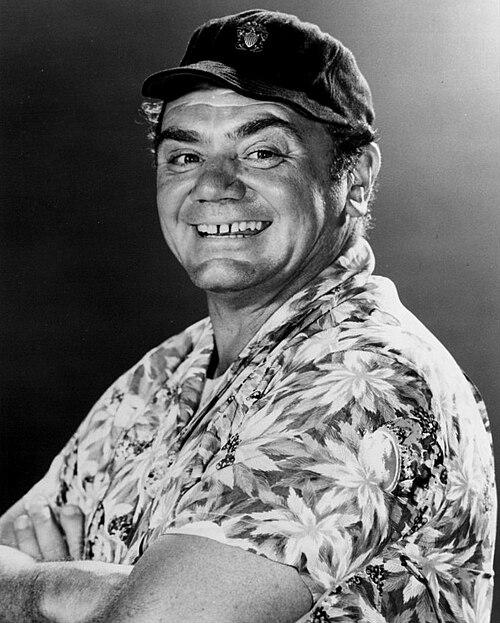
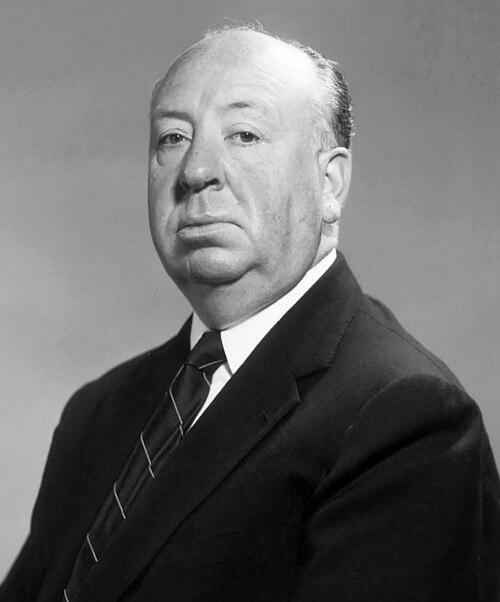
Alfred Hitchcock died of kidney failure at home in 1980, at 80, about six weeks after his last public appearance. Don Rickles died of kidney failure in 2017 at 90. Both fit the common pattern on this list: very old men whose kidneys gave out late in a long life.
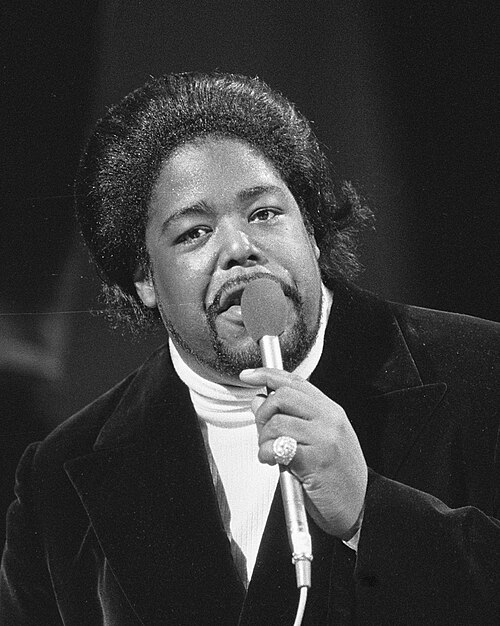
Barry White died in 2003 at 58, younger than most. He had been on dialysis and was waiting for a kidney transplant when he had a severe stroke, and his unstable health kept him from receiving one. His case shows how kidney failure often comes bundled with other serious illness.
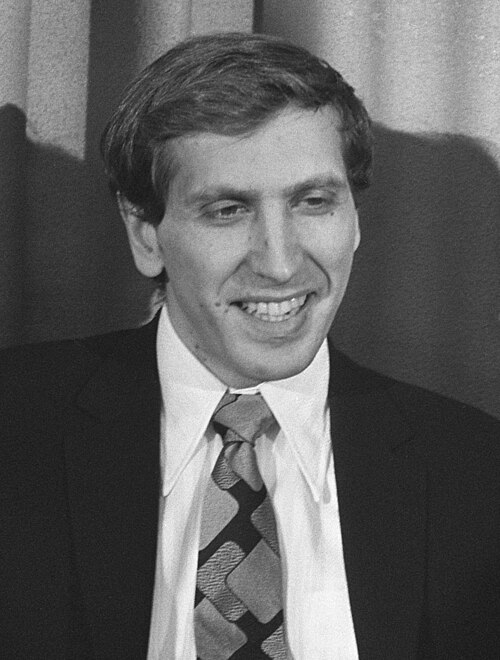
Bobby Fischer died in Reykjavik in 2008 at 64, of degenerative kidney failure. His biography records that he had developed a blockage of the urinary tract and refused surgery or medication for it, the kind of blockage the NHS lists as a cause of kidney damage.
Jean Harlow died in 1937 at 26, of kidney failure, with her death certificate listing acute nephritis and uremia, among other causes. Her case belongs to another era of medicine, and her early death says little about the risk for a young woman today.
Across the notable people on this list, the median age at death is 71.5. That number needs caveats. Notable people are not a representative sample. Causes of death come from Wikidata and can be incomplete, and kidney failure is often the final event in a person who also had heart disease, diabetes or cancer, so the record may name one cause where there were several. History matters as well: the earliest death in this group dates from 1674, centuries before the disease could be measured or treated.
The short version
- Diabetes and high blood pressure cause about two-thirds of new kidney failure, so controlling blood sugar and blood pressure is the biggest lever.
- Weight, smoking, salt and regular use of painkillers such as ibuprofen and naproxen also matter.
- Most people with chronic kidney disease do not know they have it; a blood test for GFR and a urine test for albumin can find it.
- People with diabetes, high blood pressure, heart disease or a family history of kidney failure are the ones advised to get tested.
- Extra water, cranberry juice and "kidney detox" supplements are not prevention.
Sources
- CDC: Chronic Kidney Disease in the United States - US prevalence, awareness, and rates by age, diabetes, blood pressure and ethnicity.
- CDC: Chronic Kidney Disease Basics - two-thirds of kidney failure from diabetes and high blood pressure, dialysis starts, ways to lower risk.
- CDC: Risk Factors for Chronic Kidney Disease - diabetes, blood pressure, heart disease, family history, obesity.
- NIDDK: What Is Chronic Kidney Disease? - what CKD is, symptoms, why tests are needed.
- NIDDK: Causes of Chronic Kidney Disease - diabetes, blood pressure and the wider list of causes.
- NIDDK: Preventing Chronic Kidney Disease - painkillers, smoking, sodium, activity, alcohol and sleep.
- NIDDK: Tests and Diagnosis of CKD - who to test, GFR and urine albumin thresholds.
- NIDDK: What Is Kidney Failure? - definition and treatment options.
- NIDDK: Kidney Disease Statistics for the United States - kidney failure counts, dialysis share, death rates.
- NHS: Chronic kidney disease - causes, risk by ethnicity, testing for high-risk people, symptoms.
- NHS: Acute kidney injury - causes, who is at risk, symptoms, urgent help.
- National Kidney Foundation: Six Common Myths About Kidney Disease - risk factors, testing, treatment beyond dialysis.
- National Kidney Foundation: 5 Common Myths About Kidney Disease Prevention - water, cranberry juice, detox and supplements.
- USPSTF: Chronic Kidney Disease Screening - 2012 recommendation, update in progress.
- Burden of Chronic Kidney Disease in Asia, 1990 to 2023 (via PMC) - global CKD prevalence and rank as a cause of death.
How this was sourced
This article summarizes guidance from public health authorities and findings from peer-reviewed research, each linked at the claim it supports. Details about named people come from their public biographies, and our own figures come from the causes of death recorded for the notable people listed on this page. It is not medical advice. We are not doctors, and nothing here can tell you your own risk. Talk to a doctor about your own kidney health, symptoms or test results.