Typhoid fever is a serious bacterial infection, picked up from food or water contaminated with human waste, that spreads from the gut into the bloodstream and can last for weeks. The World Health Organization estimates that it sickens about 9 million people and kills about 110,000 each year. The CDC's figure, which counts typhoid and its milder cousin paratyphoid together, is about 133,000 deaths a year.
In wealthy countries it is now mostly a disease of travel. The CDC estimates about 5,700 illnesses a year in the US, most of them in people infected abroad. With prompt treatment, fewer than 1 in 100 patients die; before antibiotics, the death rate was more than 10%.
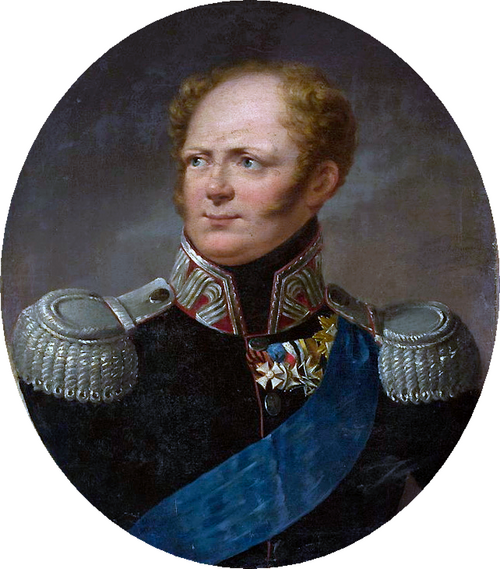
The people on the list above died young, with a median age of 39.5, and all of them died in the 19th century or in 1900. That pattern is what an infection that strikes healthy adults looks like in an era before clean piped water and antibiotics. It says little about typhoid risk for a traveler today, but it does show why 19th-century reformers fought so hard over sewers and water supplies.
What is typhoid fever?
Typhoid is caused by Salmonella Typhi, a type of Salmonella that, unlike the common food-poisoning kinds, invades the whole body. MedlinePlus, the US National Library of Medicine's health site, explains that once swallowed, the bacteria pass from the intestines into the bloodstream and on to the lymph nodes, gallbladder, liver and spleen. Paratyphoid fever, caused by the serotype Paratyphi, is a similar illness.
The illness builds slowly. The CDC puts the incubation period at 6 to 30 days for typhoid, and says the fever climbs each day to about 39 to 40 C (102 to 104 F) by the third or fourth day. The NHS lists headache, cough, aches, tiredness, constipation and loss of appetite, with stomach pain and diarrhea often coming later, plus a rash of light pink spots on the upper body in some people.
What makes typhoid deadly is its complications. The CDC says these affect 10% to 15% of hospitalized patients, usually after two to three weeks of illness, and include bleeding in the gut, a hole in the intestine and brain inflammation. MedlinePlus adds kidney failure and peritonitis.
Where does typhoid still occur today?
The WHO says typhoid remains a public health problem in many developing areas of its African, Eastern Mediterranean, South-East Asia and Western Pacific regions. The NHS names parts of Asia, Africa and Central and South America, and notes that most UK cases are in people who have just been to India, Pakistan or Bangladesh.
US numbers tell the same story. The CDC says about 85% of US typhoid cases occur in international travelers, and more than 70% of those travelers had returned from South Asia. A short trip is enough: travelers have caught it during stays of less than a week in countries where it is common.
Drug-resistant typhoid
Resistance to antibiotics is the newer worry. The WHO says resistance is common enough that treatment in the worst-hit regions can be more complicated and expensive. In November 2016 an outbreak of extensively drug-resistant (XDR) typhoid began in Sindh province, Pakistan, and by December 2018 the province had reported 5,274 XDR cases among 8,188 typhoid cases. The strain resisted first- and second-line drugs and third-generation cephalosporins, leaving azithromycin as, in WHO's words, "the only remaining reliable and affordable" oral option in poor settings. The CDC has documented more than 120 XDR infections in US residents through 2023, 12 of them in people who had not traveled abroad in the previous 30 days.
How do people get typhoid?
Food and water contaminated with feces
Salmonella Typhi lives only in humans, so every case traces back to another person's stool. The CDC lists three main routes: food, drinks or water contaminated by sewage; food rinsed in contaminated water and then eaten; and food handled by someone who did not wash their hands after using the toilet or changing a diaper. The WHO says risk is highest where safe water and sanitation are lacking, and that children are at highest risk.
Carriers who feel well
Typhoid has an unusual trick: people can spread it long after they feel better. The CDC estimates that 1% to 4% of treated patients become chronic carriers, shedding the bacteria in their stool for a year or more. The CDC's epidemiology training material notes that carriers spread disease because they do not realize they are infected.
The most famous carrier was Mary Mallon, a cook in New York in the early 1900s. A 2020 paper in the CDC journal Emerging Infectious Diseases describes her as an asymptomatic carrier who infected more than 50 people. The CDC training lesson says she was isolated on an island in New York's East River and died there 23 years later. Her story is why public health rules now keep carriers out of kitchens: MedlinePlus states that carriers must not work as food handlers.
Who is most at risk
In the US, the CDC says risk rises for people traveling to parts of Africa, Asia or Latin America where typhoid is common, especially rural areas, for those visiting friends and family there, and for anyone unvaccinated.
What prevents typhoid now?
Clean water and sewers
Much of the decline in rich countries came from water treatment. A CDC history of 20th-century public health says chlorination and other drinking water treatment began in the early 1900s and became widespread, cutting waterborne disease further. The WHO still lists safe water, adequate sanitation and hygiene among food handlers as effective prevention, alongside vaccination.
Vaccines
There are three kinds of typhoid vaccine. The WHO describes:
- Typhoid conjugate vaccine (TCV): a single injection, given from 6 months of age and to adults up to 45 or 65 depending on the product. Pakistan began vaccinating children with it during the XDR outbreak, reaching about 118,000 children aged 6 months to 10 years in the first campaign.
- Injectable Vi polysaccharide vaccine: for people aged 2 and over; protection fades, so boosters are needed.
- Oral live vaccine (capsules): for people over 6, also with repeat doses.
No vaccine gives full protection. The CDC says the US-licensed vaccines are about 50% to 80% effective, and the Yellow Book notes that neither is licensed to prevent paratyphoid fever, though the oral vaccine might give some cross-protection against one paratyphoid type. Food and water care still matters for vaccinated travelers.
Safe food and water when traveling
The CDC's food and water rules for typhoid areas:
- Drink sealed bottled water, or boil water for at least 1 minute; avoid ice and flavored ices unless made with safe water.
- Eat food that is well cooked and still hot, and skip raw fruit and vegetables that cannot be peeled. The CDC warns that leafy greens such as lettuce can stay contaminated even after washing.
- Avoid street food and drinks unless served steaming hot, and drink only pasteurized milk from sealed bottles.
- Wash hands with soap and water, or use a sanitizer with at least 60% alcohol.
What does not protect against typhoid?
A past vaccine is not lifelong cover. The CDC says the injectable vaccine needs a booster every 2 years and the oral one every 5 years. The NHS gives a protection period of 3 years for the vaccines used in the UK.
Feeling better does not mean the infection is gone. The CDC says up to 10% of patients relapse one to three weeks after recovering, and the NHS asks patients to finish the full course of antibiotics even once they feel well.
Washing salad in tap water is not enough. As above, the CDC says leafy greens can stay contaminated after washing, and the NHS advises avoiding unwashed or unpeeled salads, unpasteurized dairy and uncovered food.
A fever after travel is not always malaria. The CDC notes typhoid is often mistaken for malaria and should be considered in travelers who do not respond to antimalarial drugs.
Can it be caught early?
There is no screening test for typhoid in people without symptoms. The CDC advises seeing a doctor for a fever with feeling very ill and telling them where and when you traveled. Diagnosis relies on blood culture, and the CDC notes that a single blood culture is positive in only about half of cases, so doctors often take several.
When should someone see a doctor?
The NHS advises calling NHS 111 for anyone who feels unwell after visiting an affected area, even if they were vaccinated. The CDC similarly says to see a doctor for a fever with feeling very ill, and to tell them where and when you traveled.
Some signs point to a complication such as bleeding or a burst bowel, which needs emergency care. The NHS lists:
- sudden stomach pain that keeps getting worse
- black or dark red stools
- vomiting blood, or vomit that looks like coffee grounds
For these, the NHS says to call 999 or go to A&E and not drive yourself. Call 911 (US), 999 (UK) or 112 (EU) at once.
How is typhoid treated?
Typhoid is treated with antibiotics, plus fluids where needed. MedlinePlus says symptoms usually ease within 2 to 4 weeks of treatment, and that the outlook is good when treatment starts early but worse once complications develop. The NHS warns that a high temperature can last about 5 days after starting antibiotics.
The choice of drug now depends on where the infection came from. The CDC says most US typhoid infections no longer respond well to fluoroquinolones, and that for suspected typhoid from Pakistan or Iraq, doctors should use azithromycin for uncomplicated illness and a carbapenem for complicated cases, adjusting once lab results show which drugs work.
People who work with food, in health care or with children may need to stay off work until stool tests show they are clear, according to the NHS.
What does CDC advise travelers?
- See a doctor or travel clinic at least 4 weeks before the trip to ask about a typhoid vaccine.
- The injectable vaccine is one shot for ages 2 and up, given at least 2 weeks before travel. The oral vaccine, for ages 6 and up, is a course of pills; the CDC says to complete vaccination at least 2 weeks before travel.
- Ask about a booster if vaccinated in the past, since protection fades.
- The Yellow Book says the live oral vaccine should not be given to pregnant women or people with weakened immune systems, and calls the injectable vaccine a theoretically safer alternative for immunocompromised travelers.
- Follow the food, water and handwashing rules above, vaccinated or not.
The NHS recommends the vaccine for anyone over 1 year old traveling to a high-risk area, ideally arranged 6 to 8 weeks before leaving.
What do the famous cases show?
The 19th century was typhoid's era in Europe: cities had grown faster than their sewers, and a CDC history describes urban crowding with poor water and waste disposal driving repeated outbreaks of cholera, typhoid and other diseases. Even royal households were not spared.
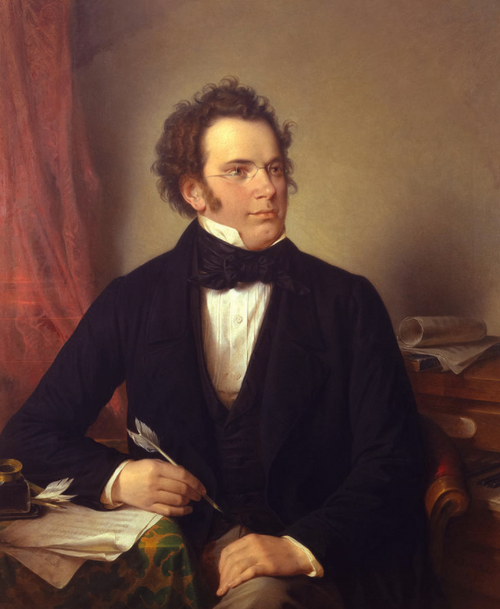
- Franz Schubert died in Vienna in 1828, aged 31. His death was officially recorded as typhoid fever. Historians have long debated other explanations, including syphilis and the mercury used to treat it, though his final symptoms do not match late-stage syphilis well.
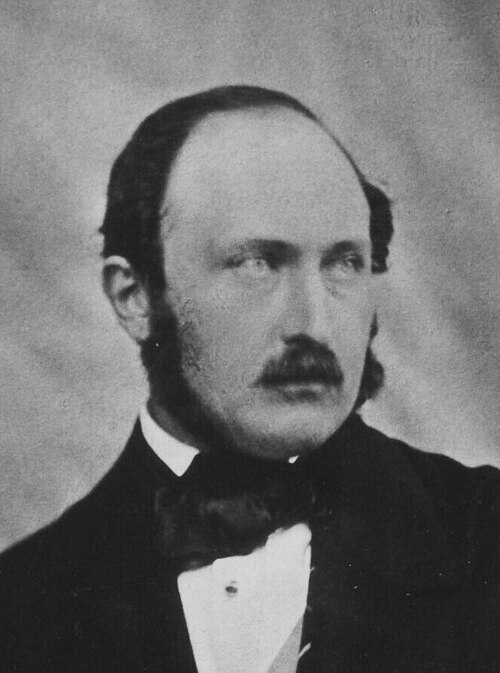
- Prince Albert, consort of Queen Victoria, died at Windsor Castle in 1861, aged 42. His doctors diagnosed typhoid fever. Some modern writers, pointing to the stomach pain he had suffered for at least two years, suggest a chronic condition such as Crohn's disease, kidney failure or abdominal cancer instead.
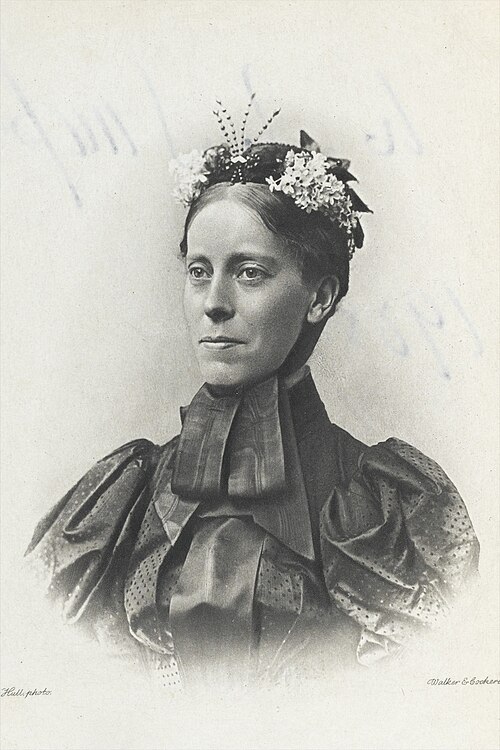
- Mary Kingsley, the explorer of West Africa, volunteered as a nurse during the Second Boer War and treated Boer prisoners at Simon's Town in South Africa. She caught typhoid there and died in 1900, aged 37.
The median age at death among the notable people on this list is 39.5, three of the four are men, and the cases run from 1825 to 1900. These numbers should be read with care. Notable people are not a representative sample, causes of death are taken from Wikidata and can be incomplete or wrong (two of the diagnoses above are disputed), and a death from typhoid in the 1800s says little about the risk today, when vaccines and antibiotics exist and most cases in rich countries follow travel.
The short version
- Typhoid still kills over 100,000 people a year, mostly in South Asia and Africa, and children are hit hardest.
- It spreads only from people, through food and water contaminated with feces, including from carriers who feel well.
- Safe water, sanitation and careful food handling prevent it; for travelers, a vaccine helps but does not give full protection.
- Drug-resistant strains, especially from Pakistan, mean doctors need to know where a patient has traveled.
- A fever after time in an affected area is a reason to see a doctor promptly.
Sources
- WHO: Typhoid fact sheet - global cases and deaths, regions, carriers, vaccine types, prevention.
- WHO: Typhoid fever, Pakistan (Disease Outbreak News, 2018) - XDR outbreak size, resistance, vaccine campaign.
- CDC: About Typhoid Fever and Paratyphoid Fever - US illness estimates, routes of spread, who is at risk.
- CDC: Preventing Typhoid Fever - vaccine schedules and boosters, food and water rules.
- CDC Yellow Book: Typhoid and Paratyphoid Fever - burden, travel cases, complications, resistance, carriers, relapse, treatment, vaccine effectiveness.
- CDC MMWR: Achievements in Public Health, 1900-1999: Control of Infectious Diseases - urban outbreaks and water chlorination.
- CDC: Principles of Epidemiology, Lesson 1, Section 10 - carriers and Mary Mallon's isolation.
- Emerging Infectious Diseases: Identifying and Interrupting Superspreading Events (2020) - Mary Mallon infected more than 50 people.
- MedlinePlus: Typhoid fever - how the infection spreads in the body, complications, outlook, food handlers.
- NHS: Typhoid fever - symptoms, UK cases, vaccine, emergency signs, treatment.
How this was sourced
This article summarizes public health authorities and peer-reviewed research, linked at each claim, and the details of the famous cases come from our own records checked against each person's published biography. It is not medical advice. If you are planning travel to an area where typhoid occurs, or have a fever after a trip, talk to a doctor or a travel clinic about your own situation.