Tuberculosis, or TB, is a bacterial infection that most often attacks the lungs and spreads through the air. It can sound like a disease from a Victorian novel, but it is not one. The World Health Organization calls it the world's leading cause of death from a single infectious agent, and reports that 1.23 million people died of TB in 2024, while about 10.7 million fell ill.
It is also preventable and curable. The WHO estimates that global efforts against TB have saved about 83 million lives since 2000.
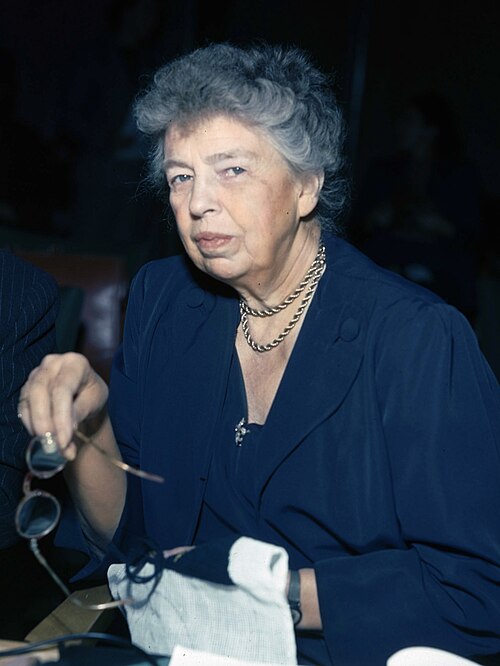
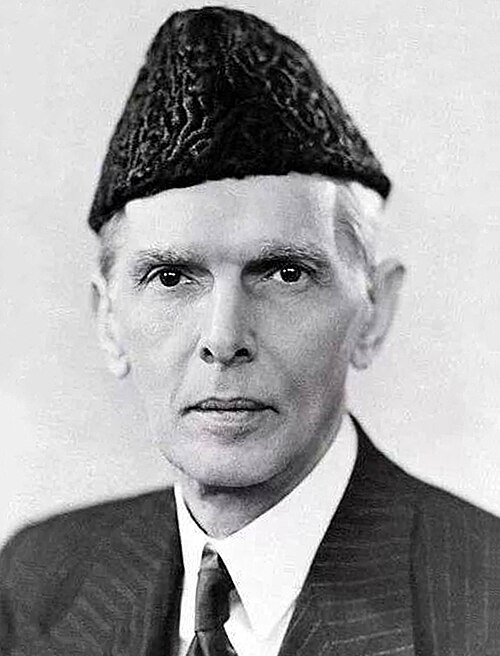
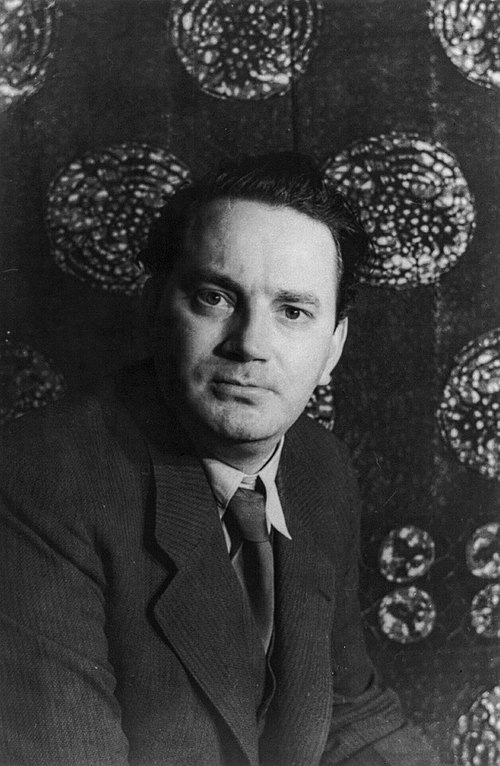
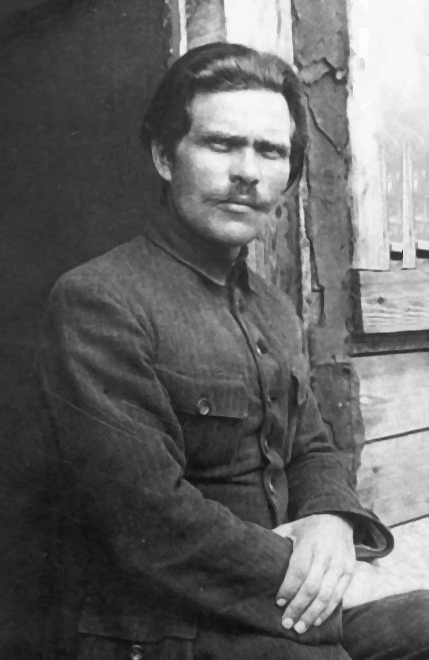
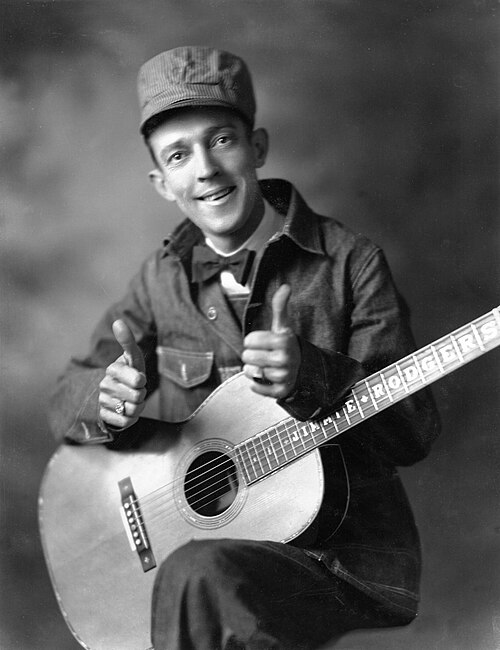
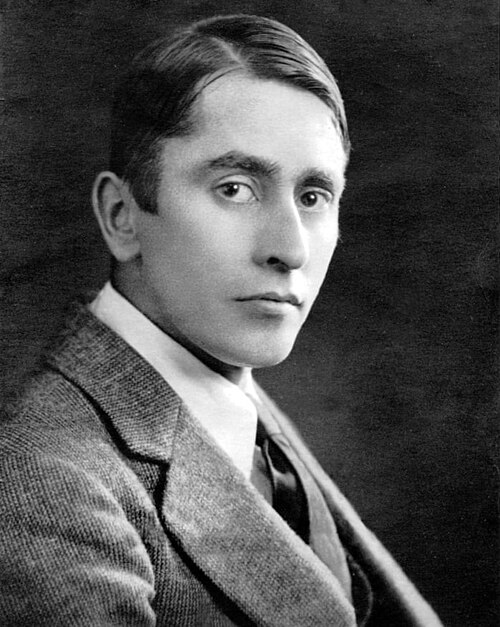
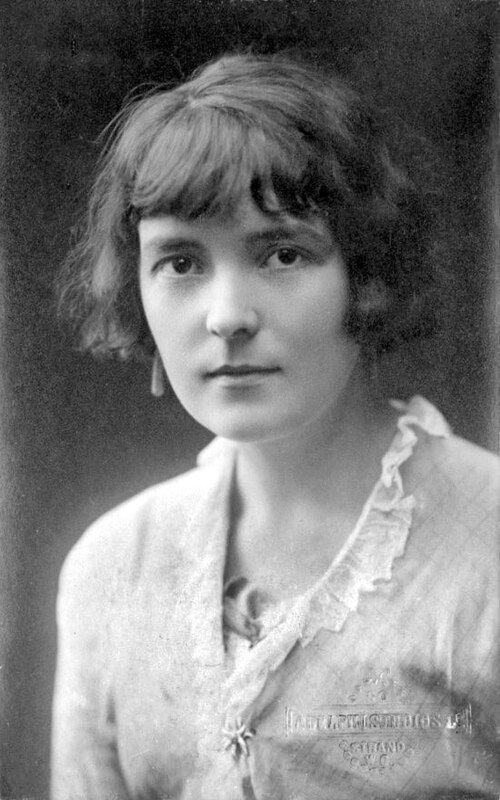
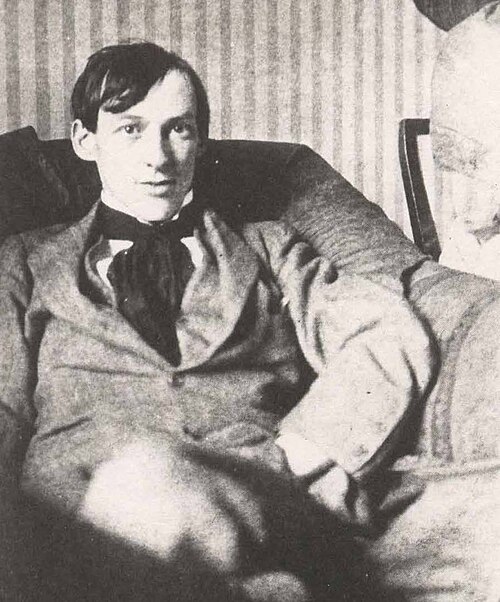
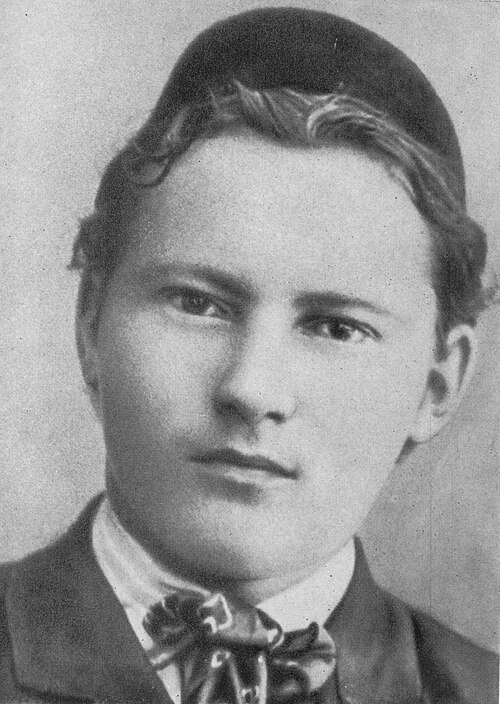
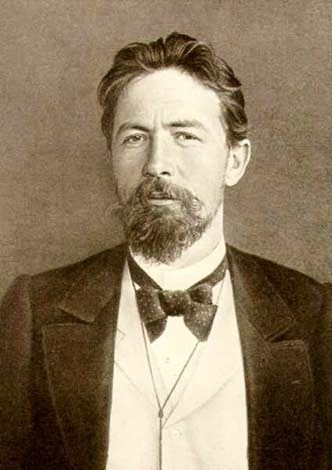
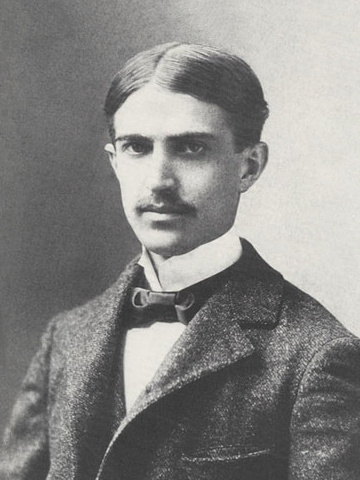
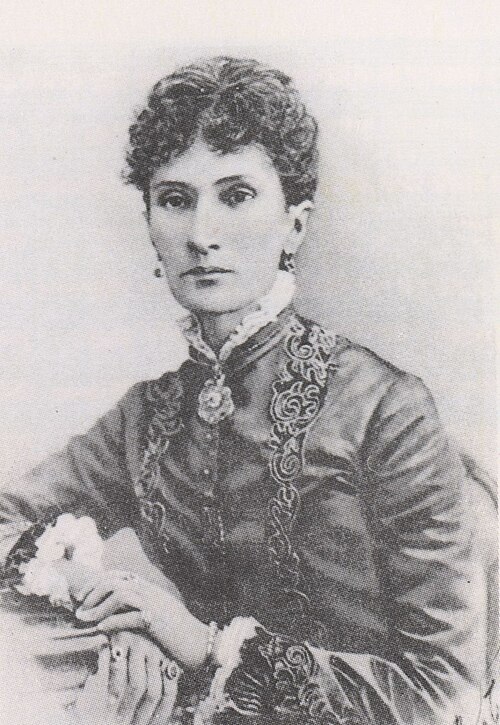
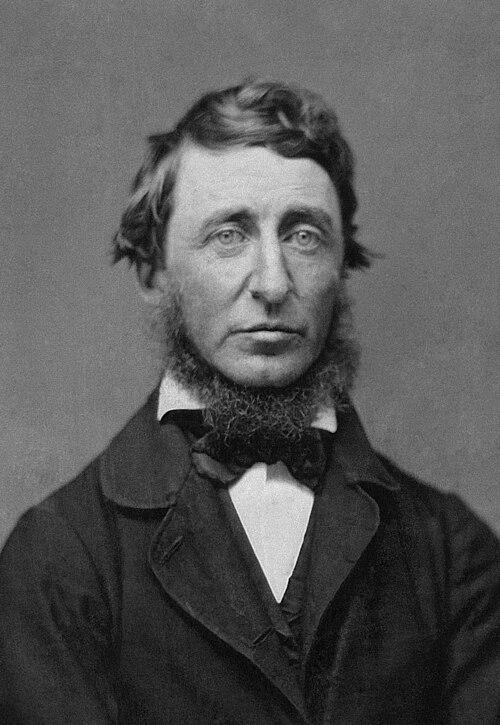
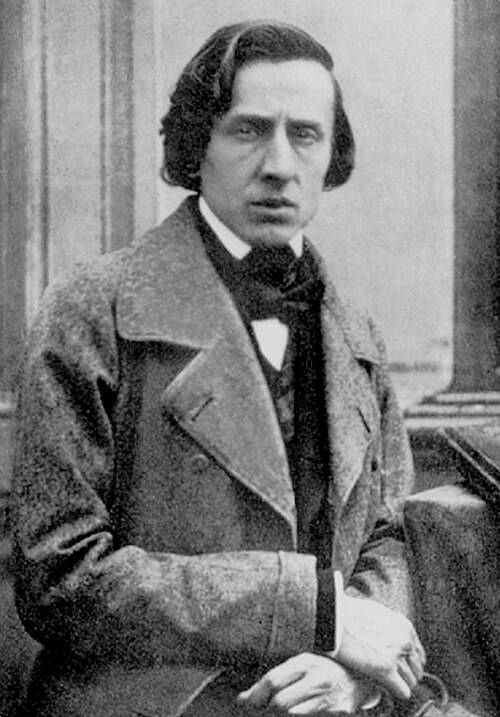
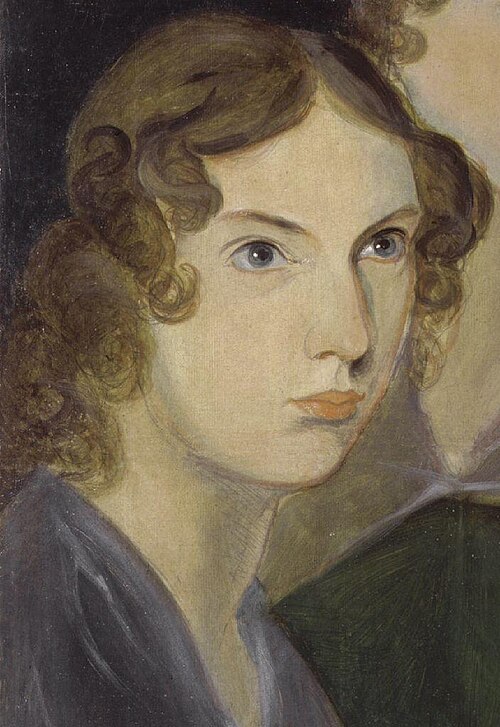
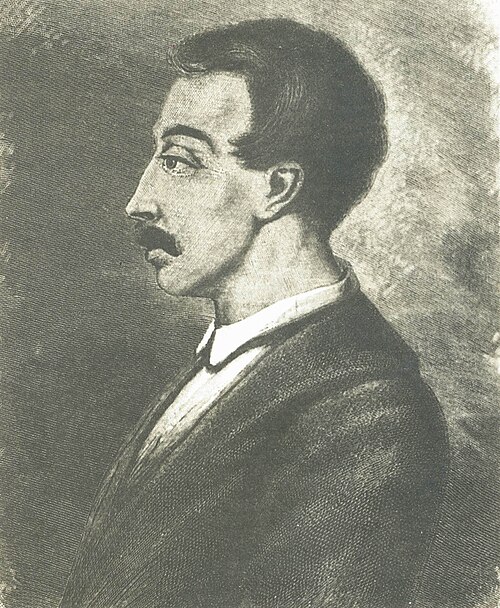
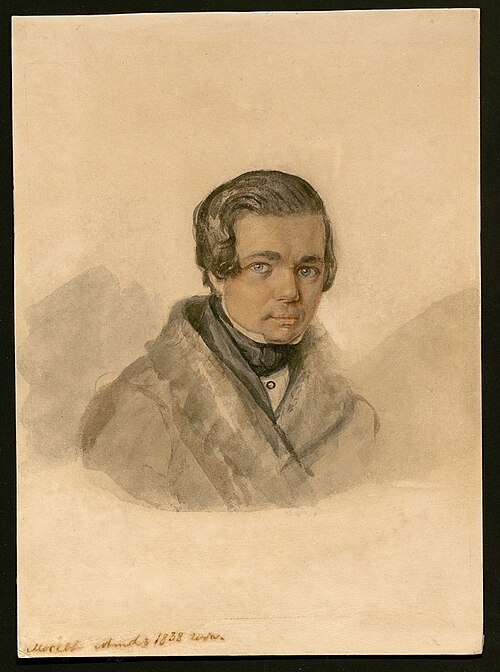
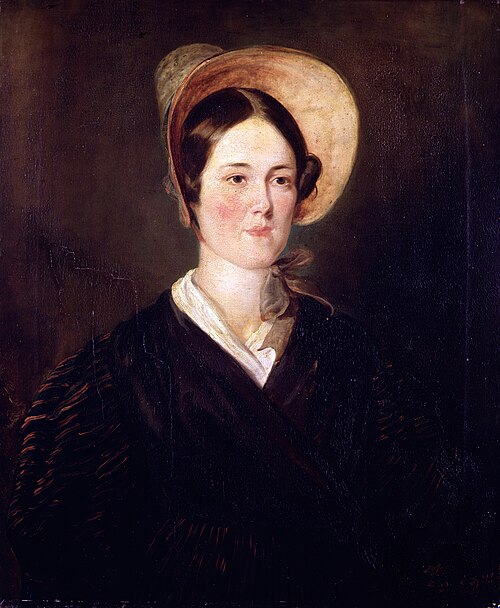
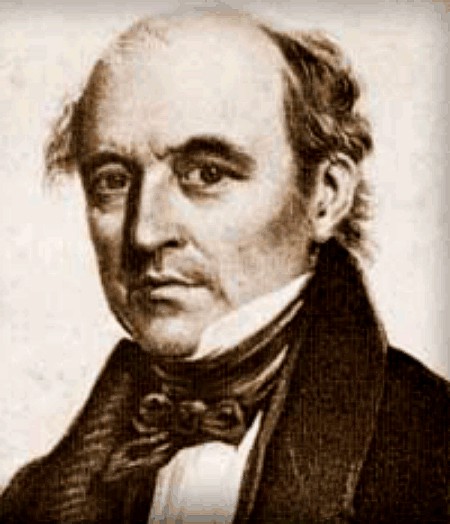
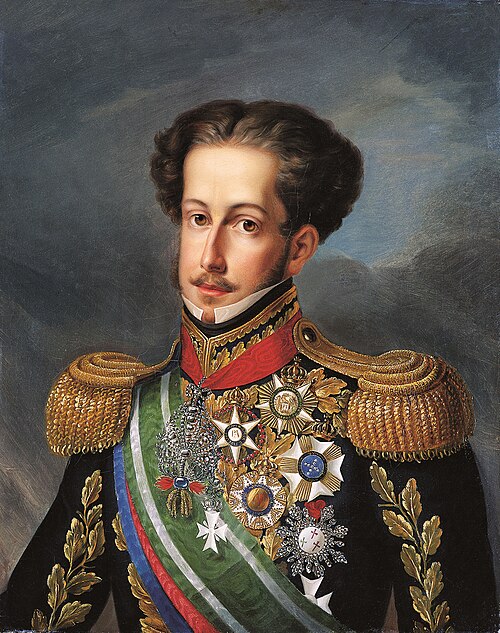
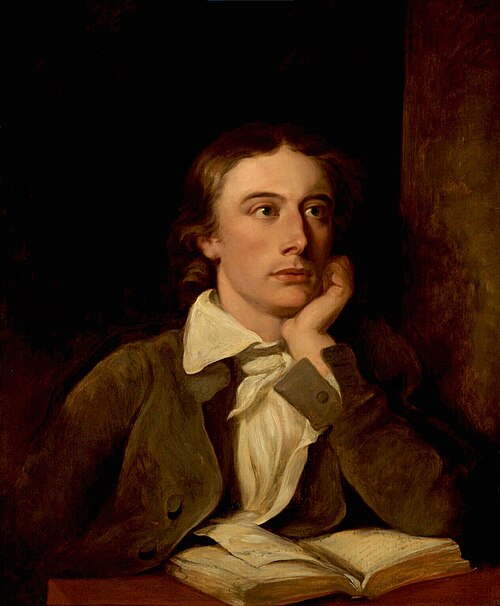
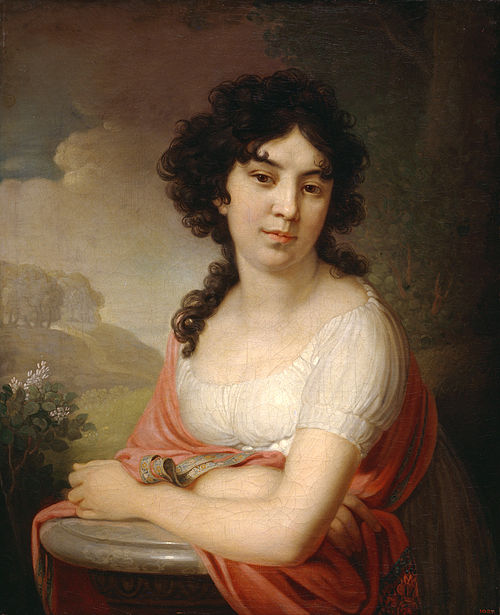
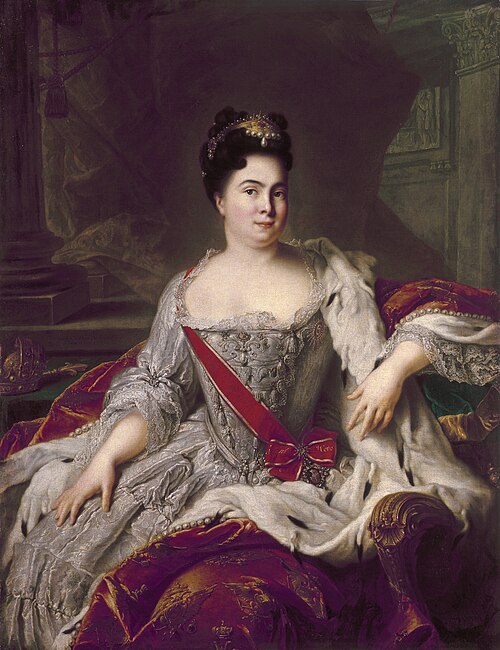
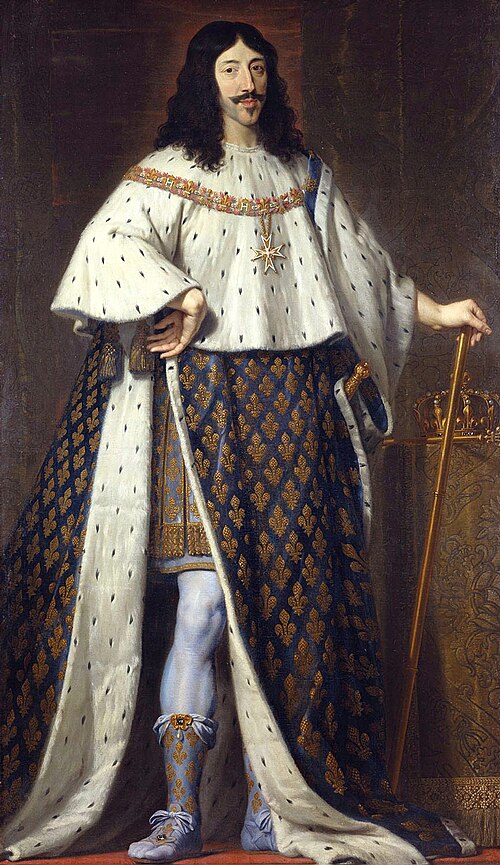
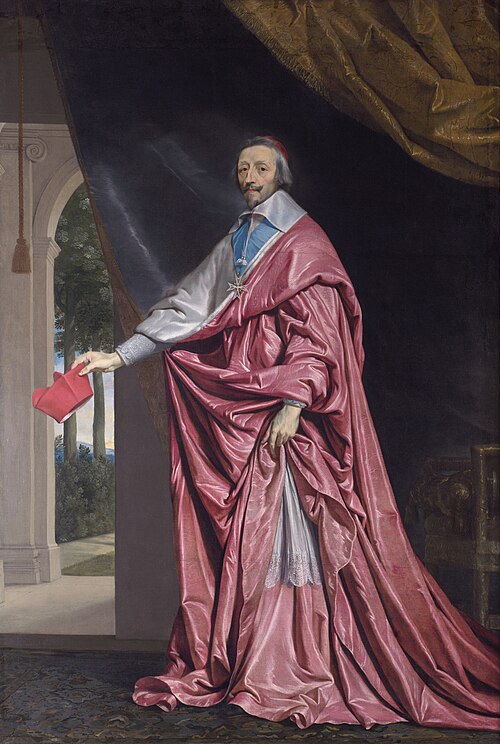
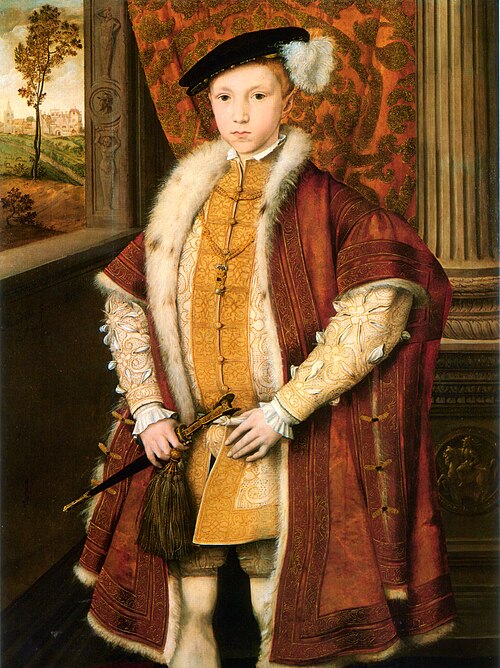
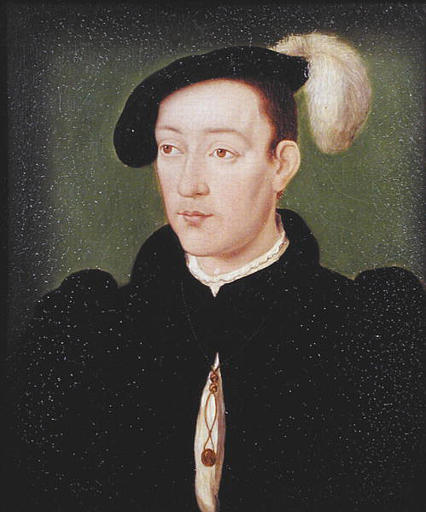
The list above looks very different from the disease today. The notable people on it died young, at a median age of 39, and every one of them died before 2000; the earliest goes back to the 1500s. Most are kings, poets and novelists from centuries when there was no cure. That history is real, but it describes a world without antibiotics. The rest of this page is about where TB still kills now and what stops it.
What is tuberculosis?
TB is caused by the bacterium Mycobacterium tuberculosis. The CDC explains that the germs get into the air when a person with active TB of the lungs or throat coughs, speaks or sings, and that they can stay in the air for hours, especially indoors in poorly ventilated rooms.
Breathing the germs in does not always make a person sick. Doctors separate two states:
- Inactive TB (also called latent TB infection): the germs are in the body but held in check. The CDC says people with inactive TB have no symptoms and cannot spread TB to others.
- Active TB disease: the germs become active when the immune system can't stop them from growing. This is the form that causes illness and can be passed on.
The gap between the two is large. The WHO estimates that about a quarter of the world's population has been infected with TB bacteria, but only about 5% to 10% of infected people eventually develop TB disease. Without treatment, the WHO notes, the disease can be fatal.
Where does TB still kill today?
The burden is concentrated in a few places. The WHO reports that around 87% of new cases occur in the 30 high-burden countries, led by India at 25%, Indonesia at 10%, the Philippines at 6.8% and China at 6.5%.
In the United States, TB is far rarer but has not gone away. The CDC reports 10,388 cases in 2024, a rate of 3.1 per 100,000 people, and a 7.9% rise in cases compared with 2023. For scale, the agency's long-run table shows 84,304 cases and 19,707 deaths in 1953, against 572 TB deaths in 2023. The CDC says 77% of 2024 US cases were in people born outside the country, and that most US cases are thought to come from latent infections becoming active rather than from recent spread.
Drug resistance is a growing problem worldwide. The WHO says only about 2 in 5 people with multidrug-resistant TB got treatment in 2024.
Which risk factors can't be changed?
Where a person was born or has lived
Exposure depends heavily on geography. The CDC lists people who were born in or often travel to countries where TB is common as more likely to be infected. The USPSTF names people born in or formerly living in high-prevalence countries as a screening priority.
Age
The CDC says young children have a higher risk of developing TB disease once infected.
Recent infection
Timing matters. The CDC says the chance of becoming sick is higher in people who were recently infected with TB germs.
Which risk factors can be changed?
The WHO breaks down how many new cases each year are linked to five factors. For 2024 it attributes 0.97 million new cases to undernutrition, 0.93 million to diabetes, 0.74 million to alcohol use disorders and 0.70 million to smoking, alongside HIV.
HIV
HIV carries the largest increase in risk. The WHO says people living with HIV are 12 times more likely to fall ill with TB than people without HIV, and it counts 150,000 TB deaths among people with HIV in 2024.
Undernutrition
By the WHO's count, undernutrition is linked to more new TB cases than any of the other factors it tracks.
Diabetes
The CDC lists diabetes among the conditions that raise the chance of developing active disease, and the WHO links close to a million new cases a year to it.
Smoking and alcohol
Both appear in the WHO breakdown, at roughly 0.7 million cases each. The CDC also names substance use, such as injection drug use.
Medicines and conditions that weaken immunity
The CDC says people with a weakened immune system are at very high risk of developing active TB disease once infected. It lists organ transplants, severe kidney disease, corticosteroids and specialized treatment for rheumatoid arthritis or Crohn's disease. These are not habits to change, but they are the reason doctors often test for latent TB before starting such treatment.
Crowded and shared living spaces
The CDC names people who live or used to live in large group settings, and those who work where TB spreads more easily. The USPSTF cites data that from 2011 to 2016 the TB rate among people experiencing homelessness was about 11 times that of people with stable housing. Household contact is the classic route: the NHS says the risk is highest for people who spend a lot of time with someone who has active TB, such as people living in the same home.
The BCG vaccine
The WHO says it is given to babies or small children to prevent TB. Its strength is in early childhood. The CDC says it protects children from severe forms of TB such as TB meningitis and miliary TB, but it is not generally used in the United States. The CDC gives three reasons: the low risk of TB infection in the US, the vaccine's variable effectiveness against adult lung TB, and its tendency to cause false-positive skin tests. In the UK it is offered only to higher-risk groups, including babies in areas where TB is more common and some health workers, and it is given once.
Treating latent TB before it becomes active
For someone already infected, treatment is the main lever. The CDC calls treating inactive TB the best way to protect against getting sick with active TB disease. Courses for inactive TB last three, four, six or nine months, depending on the plan.
What does not cause tuberculosis?
Casual contact
TB is spread by breathing, not touching. The CDC states that TB is not spread by shaking hands, sharing food or drink, touching bed linens or toilet seats, sharing toothbrushes or kissing. The NHS adds that catching it usually takes regularly breathing in the droplets over a long period of time.
Someone with latent TB
A positive TB test does not mean a person is contagious. The NHS says latent TB cannot be spread to others, though it can turn active later.
"TB is a disease of the past"
The figures above answer this one. More than a million deaths a year make TB a present-day killer, concentrated where poverty, HIV and limited health care overlap, and US cases rose again in 2024.
Can it be caught early?
Yes, for people at higher risk. The US Preventive Services Task Force recommends screening for latent TB in adults 18 and older at increased risk (a grade B recommendation from 2023), mainly people born in or who lived in high-prevalence countries and people who live or have lived in shelters or prisons. It estimates that up to 13 million people in the US have latent TB, about 5.0%.
Two tests are used: the skin test, which needs a return visit 48 to 72 hours later to read, and a blood test (IGRA) that needs one visit. The CDC notes that BCG can cause a false-positive skin test, so people who had the vaccine are usually given the blood test.
When should someone see a doctor?
TB comes on slowly; the WHO says symptoms may be mild for many months, which is how it spreads unnoticed. The signs the CDC lists for active disease include a cough lasting three weeks or longer, chest pain, coughing up blood or sputum, weight loss, fever and night sweats. The NHS advises seeing a GP for a cough of more than 3 weeks, getting urgent help for coughing up blood, and emergency care for a stiff neck with a severe headache, which can mean TB has reached the brain.
Once diagnosed, active TB is treatable. The CDC says treatment for active disease takes four, six or nine months, and stresses taking every dose; stopping early can be very dangerous. The NHS says the usual course of antibiotics lasts at least 6 months.
What do the famous cases show?
The names on this list come almost entirely from the centuries before effective drugs.
- John Keats, the Romantic poet, died of tuberculosis in 1821 at 25. His mother and his brother Tom had TB too, a reminder of how the disease moved through households.
- Anne Bronte died in 1849 at 29, most likely of pulmonary tuberculosis. Her sister Emily Bronte died a year earlier at 30; her biography says a cold turned into an inflammation of the lungs that may have worsened an existing condition such as tuberculosis, so her cause is uncertain.
- Henry David Thoreau, the author of Walden, died of tuberculosis in 1862 at 44. Two of his sisters also died of it.
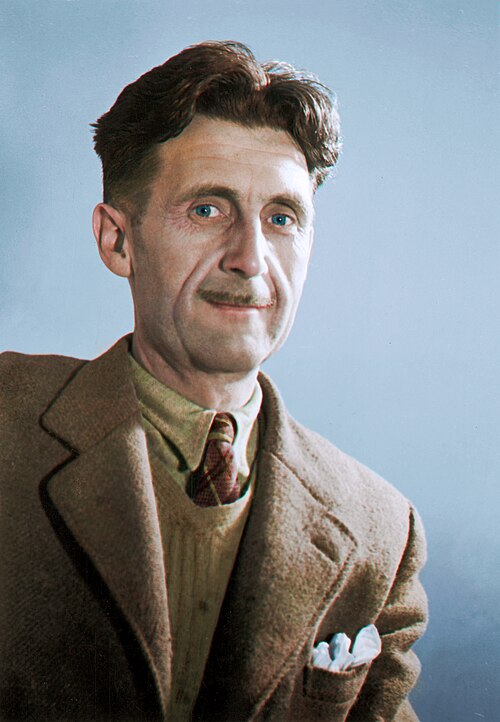
- George Orwell died in 1950 at 46, of a ruptured pulmonary artery caused by complications of tuberculosis; he had been treated with the new drug streptomycin in 1948.
- Vivien Leigh, the star of Gone with the Wind, was first diagnosed with TB in the mid-1940s and died of a recurrence in 1967 at 53.
Among the notable people on this list, the median age at death was 39, and the middle half died between about 28 and 48. Most were men. None died after 2000.
A caveat applies. Notable people are not a representative sample, causes of death are recorded from Wikidata and can be incomplete or uncertain for deaths centuries ago, and history matters most here: a 19th-century death from tuberculosis says little about risk today, when the disease is preventable and, in most cases, curable.
The short version
- TB still kills more people than any other single infectious agent, mostly in a few high-burden countries.
- It spreads through the air from people with active lung TB, not through touch, food or kissing.
- HIV, undernutrition, diabetes, alcohol and smoking are the biggest drivers of infection turning into disease.
- People at higher risk can be tested for latent TB, and treating it prevents active disease.
- Active TB is treatable with months of antibiotics, and finishing the course matters.
Sources
- WHO: Tuberculosis fact sheet - global deaths and cases, high-burden countries, risk factors, BCG, drug resistance, lives saved.
- CDC: About Tuberculosis - inactive vs active TB, symptoms, treating inactive TB.
- CDC: Tuberculosis Causes and How It Spreads - airborne spread and what does not spread TB.
- CDC: Tuberculosis Risk Factors - who is more likely to be infected and to get sick.
- CDC: Treatment for TB - length of treatment and finishing the course.
- CDC: BCG Vaccine - who it protects, US use, skin test interference.
- CDC: TB Surveillance Report 2024, Executive Commentary - 2024 US cases, rate, rise, non-US-born share.
- CDC: TB Incidence and Mortality, 1953-2024 - long-run US cases and deaths.
- USPSTF: Latent Tuberculosis Infection Screening - who should be screened, tests, US prevalence.
- NHS: Tuberculosis (TB) - spread, symptoms, when to get help, treatment length.
- NHS: BCG vaccine for tuberculosis - who is offered BCG in the UK.
How this was sourced
This article summarizes public health authorities and peer-reviewed research, each linked at the claim it supports. We do not add medical claims of our own, and the famous cases are drawn from public records of how each person died. It is not medical advice. If you think you may have been exposed to TB or have symptoms, talk to a doctor about testing.