A traffic collision is a crash involving a moving vehicle on a road, and the deaths it causes come from the force of the impact on the human body. Worldwide, the World Health Organization counts about 1.16 million road deaths a year, with 20 to 50 million more people injured, many of them left with a disability. Road injuries are the leading cause of death for children and young adults aged 5 to 29.
In the United States, the CDC reports that more than 44,000 people died in motor vehicle crashes in 2023, and that crash injuries led to over 2.8 million emergency department visits that year.
Because crashes kill the young, the people on the list above died young too: the median age at death among them is 43, far younger than for most diseases covered on this site. The list is also mostly male, roughly 8 men for every 3 women, which matches what health agencies see on the roads.
What makes a crash deadly?
Survival in a crash depends mostly on how much energy reaches the body and how well it is spread out or absorbed. Speed raises that energy sharply, which is why the WHO says the death risk for a pedestrian hit by the front of a car rises 4.5 times between 50 km/h and 65 km/h, and why car occupants in a side impact at 65 km/h face a fatality risk of 85%.
Seat belts, child seats and helmets work by holding the body in place and spreading the force. People outside a car have none of that protection. The WHO says more than half of all road deaths are among pedestrians, cyclists and motorcyclists, the groups it calls vulnerable road users.
What happens after the crash matters too. The WHO stresses that post-crash care is time-sensitive and that a delay of minutes can decide whether someone survives.
Which risk factors can't be changed?
Age
The newest drivers face the highest crash risk. The CDC says teens aged 16 to 19 have a higher risk of crashing than any other age group, and their fatal crash rate per mile driven is almost three times that of drivers 20 and older. Sixteen-year-olds crash at about 1.5 times the per-mile rate of 18- and 19-year-olds, so even a year or two of experience counts.
At the other end of life, the risk is different. Drivers aged 70 and older have higher crash death rates per 1,000 crashes than drivers aged 35 to 54, mainly, the CDC says, because older bodies are more easily injured in a crash. The agency counts about 9,100 older adults killed in traffic crashes in 2022. On foot, adults 65 and older made up about 17% of the US population that year but 22% of pedestrian deaths. A 2021 systematic review of 60 studies in Human Factors found that for older pedestrians, thinking skills such as processing speed and attention mattered more than age itself, especially the ability to judge how soon an approaching car will arrive.
Sex
The WHO says males are typically 3 times more likely than females to die in road crashes. The CDC finds the same at every age: males have substantially higher crash death rates than females, and in 2020 the death rate for male drivers aged 16 to 19 was three times as high as for female drivers the same age. Behavior differs too. Among drivers aged 15 to 20 in fatal crashes in 2020, 35% of males and 18% of females were speeding.
Where a person lives
Geography shapes risk heavily. The WHO reports that 92% of road deaths happen in low- and middle-income countries, even though those countries have only about 60% of the world's vehicles. Within the US, the CDC notes that adults in rural areas are less likely to wear seat belts than those in cities.
Which risk factors can be changed?
For road deaths, risk factors are mostly circumstances: how fast, how alert, how sober, and how protected each person is.
Speed
Small changes in speed have outsized effects. The WHO says each 1% rise in average speed brings a 4% rise in the risk of a fatal crash and a 3% rise in the risk of a serious one. Speed matters most when it meets someone unprotected, as the pedestrian figures above show. The CDC lists promoting safe driving speeds among proven strategies to cut pedestrian deaths, along with road design such as narrower lanes, better lighting and sidewalks.
Seat belts
The seat belt is the most basic protection in a car. The CDC says belts reduce serious crash injuries and deaths by about half and saved almost 15,000 lives in 2017. The WHO gives a similar figure, up to 50% fewer deaths among vehicle occupants. Yet in 2021, more than half of teens and adults aged 20 to 54 who died in crashes were not buckled up. Among teen drivers and passengers killed in 2020, 56% were not wearing a seat belt.
The CDC also notes that young adults aged 18 to 24, men, and people in rear seats are less likely to buckle up. Observed belt use in 2022 was 92% in states with primary enforcement laws, where police can stop a driver for not wearing one, and 90% in states with secondary or no laws.
Car seats and booster seats for children
Adult belts do not fit small bodies. The CDC says car seats cut a child's risk of injury in a crash by 71% to 82% compared with a seat belt alone, and that booster seats lower the risk of serious injury by 45% for children aged 4 to 8. The WHO reports that child restraints can bring a 71% reduction in infant deaths. The CDC recommends keeping children rear-facing as long as possible and buckled in the back seat until age 13.
Alcohol
Alcohol runs through a large share of US road deaths. The CDC says 37 people in the US die every day in crashes involving an alcohol-impaired driver, one every 39 minutes. In 2022, those crashes killed 13,524 people, 32% of all US traffic deaths. The harm spreads beyond the drinker: 40% of those killed were passengers, people in other vehicles, or people outside a vehicle, and 283 were children aged 14 or younger.
Pedestrians are part of the picture too. The CDC found that alcohol, in the driver, the pedestrian or both, was involved in nearly half (48%) of crashes that killed a pedestrian in 2022.
Drugs
Other drugs also impair driving, though the data are thinner. In a CDC-cited study of 4,243 seriously injured drivers at seven trauma centers, 54% tested positive for alcohol, drugs or both, and 25% for cannabis. The WHO says the fatal crash risk for people who have used amphetamines is about 5 times that of non-users. For cannabis, a 2021 review in Frontiers in Psychiatry concluded that meta-analyses consistently show a slightly but significantly higher crash risk after recent use, and that no reliable blood level marks a safe cutoff.
Phones and other distractions
The CDC groups distraction into three kinds: eyes off the road, hands off the wheel, and mind off driving. In 2019, over 3,100 people were killed and about 424,000 injured in US crashes involving a distracted driver, and about 1 in 5 of those killed were outside the vehicle. The WHO says drivers using a mobile phone are about 4 times more likely to crash. Young drivers are most exposed: in 2019, 39% of US high school students who drove had texted or emailed at the wheel at least once in the past month.
Drowsiness
Tired driving is easy to underestimate. In a CDC survey across 19 states and Washington, DC, 4.2% of adults said they had fallen asleep while driving at least once in the previous 30 days, with men reporting it more than women. NHTSA estimates that only about 2.5% of fatal crashes involve drowsy driving, but the CDC report cites modeling studies suggesting 15% to 33% of fatal crashes might involve a drowsy driver.
Motorcycles and helmets
Riding a motorcycle carries far higher risk than riding in a car. The CDC says about 6,000 motorcyclists died on US roads in 2022, and that per mile traveled their death rate was almost 22 times that of people in passenger cars.
Helmets are the main protection. A Cochrane review, drawing on 61 observational studies, concluded that helmets reduce the risk of head injury by around 69% and death by around 42%. The WHO says correct helmet use can reduce the risk of brain injury by up to 74%. The CDC calls universal helmet laws, which cover every rider, an effective way to save lives, and cites an estimate that 22,058 motorcyclists who died between 1976 and 2022 would have survived if states without such laws had matched the helmet use of states with them.
Night, weekends and passengers for new drivers
Some conditions raise risk for teens in particular. Their fatal crash rate at night is about 3 times that of drivers aged 30 to 59, and in 2020 44% of teen crash deaths happened between 9 pm and 6 am. The CDC adds that teen or young adult passengers raise the crash risk of unsupervised teen drivers.
What does not make driving safer?
"Staying under the legal limit means alcohol is not a factor"
Crash risk starts climbing before the legal limit. The WHO says risk rises even at low blood alcohol levels and increases significantly from 0.04 g/dl. For teens, the CDC says drinking any amount of alcohol before driving raises crash risk.
"Loud music or an open window will keep a tired driver awake"
The CDC report on drowsy driving says these common tricks, along with cold air from the air conditioner, have not been found to be effective. The agency's advice is simply to avoid driving while drowsy.
"Older drivers are the most dangerous on the road"
Not by the numbers. The highest crash risk belongs to drivers aged 16 to 19, per the CDC. Older drivers die more often once a crash happens, largely because they are more easily hurt, and the CDC notes they are more likely than other age groups to drive safely.
"The front seat is fine for a child if there is an airbag"
The reverse is true. The CDC warns that front passenger airbags can injure or kill young children in a crash, which is why it advises the back seat until age 13.
Can it be caught early?
There is no screening test for crash risk. For older drivers, the CDC suggests an eye exam at least once a year and a review of all medicines with a doctor or pharmacist, since vision changes, illness and some drugs can affect driving.
Why does fast emergency care matter?
The WHO calls for timely prehospital care and better hospital care after crashes, and warns that delays of minutes can determine survival.
Call 911 (US), 999 (UK) or 112 (EU) at once.
What do the famous cases show?
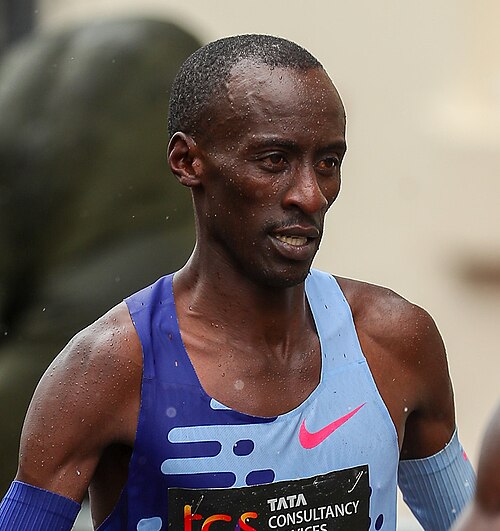
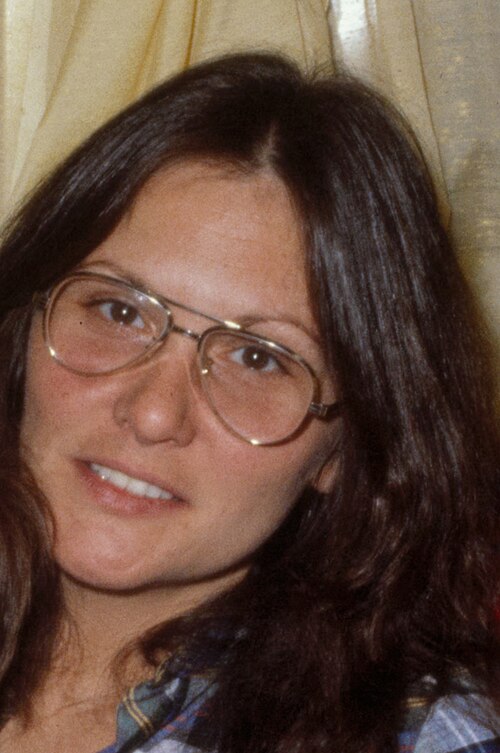
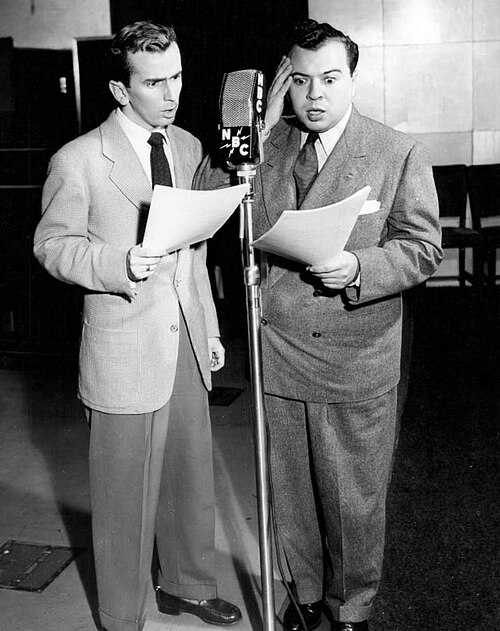
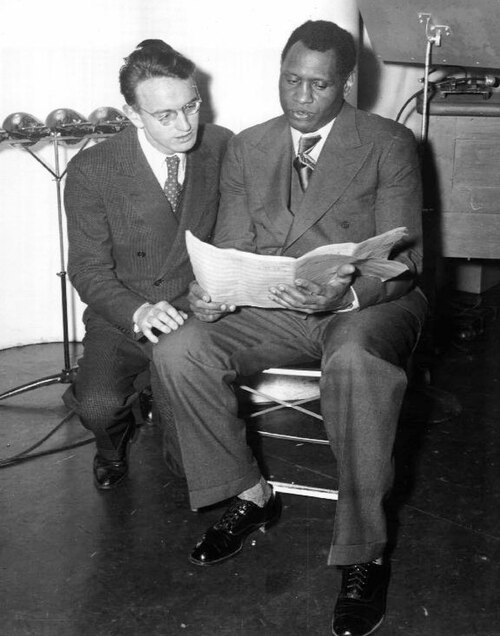
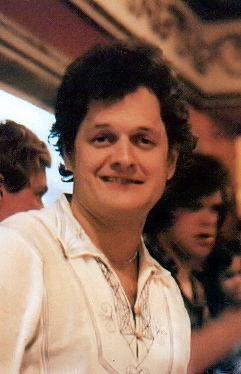
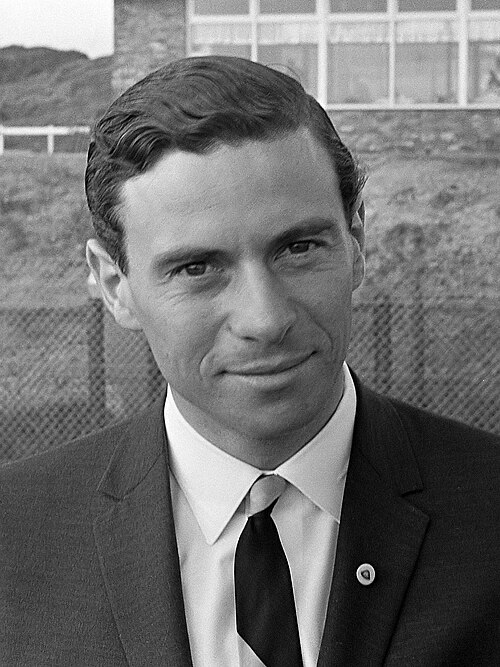
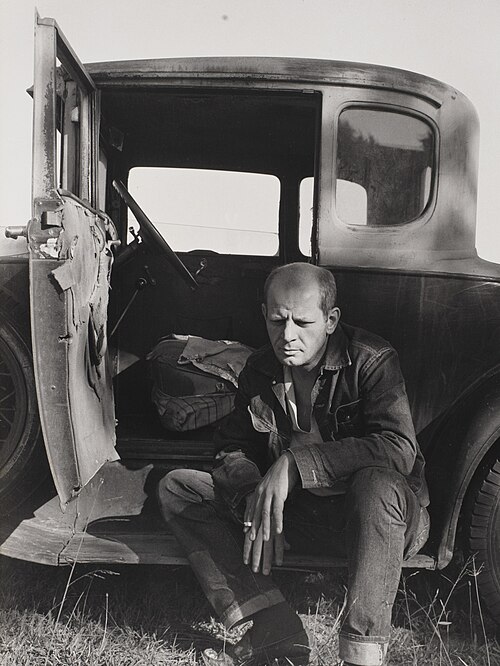
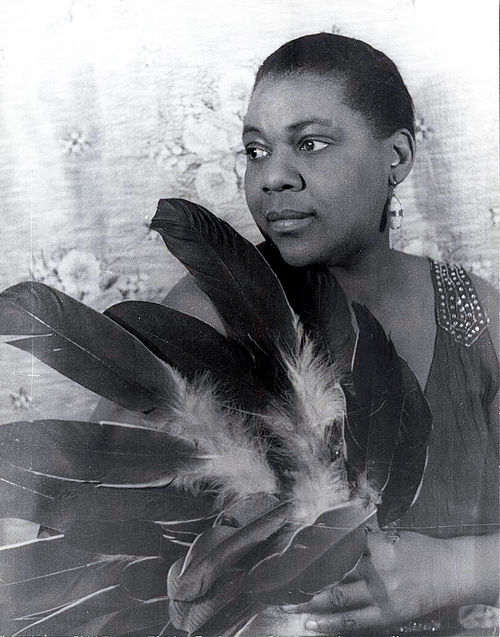
The list runs from 1937 to the present, and more than half of the notable people on it died after 2000. Many were young and at the height of their careers.
- James Dean, the star of Rebel Without a Cause, died in 1955 at 24 near Cholame, California, when another car turned across the path of his Porsche.
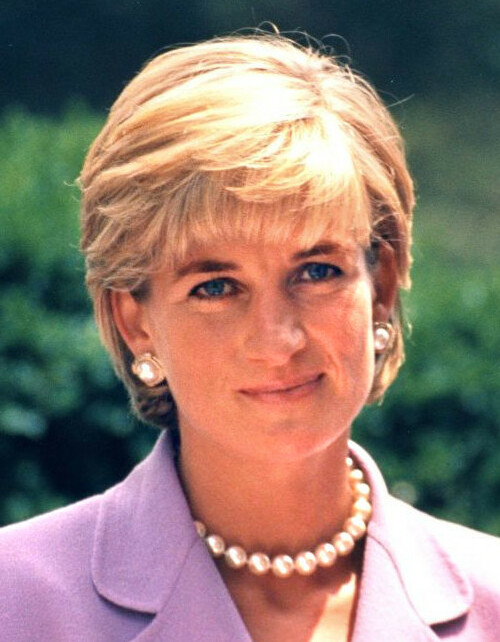
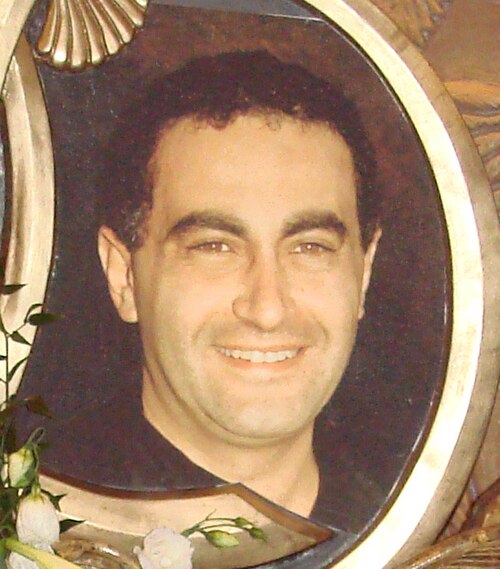
- Diana, Princess of Wales, died in 1997 at 36 after a crash in the Pont de l'Alma tunnel in Paris. A 2008 British inquest returned a verdict of unlawful killing by the grossly negligent driving of the following vehicles and of the Mercedes driver, with his alcohol impairment among the contributing factors; Dodi Fayed, 42, died in the same crash.
- Grace Kelly, the actress who became Princess of Monaco, died in 1982 at 52. Her record lists a traffic collision, but her biography is more specific: she had a mild cerebral hemorrhage, a type of stroke, while driving, lost control of the car on a mountain road, and had a second, more severe hemorrhage in hospital.
- Diogo Jota, the Liverpool and Portugal forward, died in 2025 at 28 in Spain, along with his brother, after a tire blowout sent their car off the road.
The median age at death among the notable people on this list is 43, with the middle half aged 30 to 53. The youngest was 17 and the oldest 91. Men outnumber women 40 to 15, close to the roughly threefold male excess the WHO reports for road deaths worldwide.
A plain caveat applies. Notable people are not a representative sample: the list leans toward wealthy countries, while most road deaths happen in low- and middle-income countries, many of them among pedestrians and motorcyclists who rarely become famous. Causes of death here come from Wikidata and can be incomplete or loose, as the Grace Kelly record shows. And cars, roads and seat belt laws in 1955 were very different from today's.
The short version
- A seat belt roughly halves the risk of death or serious injury, and car seats and boosters protect children far better than adult belts.
- Speed is the multiplier: each 1% rise in average speed raises fatal crash risk by about 4%, and pedestrians feel it most.
- Alcohol is involved in about a third of US traffic deaths, and risk climbs even below the legal limit.
- Phones, fatigue and, for new drivers, night driving and teen passengers all raise the odds.
- On a motorcycle, a helmet cuts the risk of death by around 42% and of head injury by around 69%.
Sources
- World Health Organization: Road traffic injuries fact sheet - global deaths, speed, alcohol, phones, belts, helmets, child restraints, post-crash care.
- CDC: About Transportation Safety - US crash deaths and emergency visits in 2023.
- CDC: Seat Belt Facts - lives saved, unbelted deaths, who buckles up least.
- CDC: Preventing Child Passenger Injury - car seats, boosters, back seat and airbags.
- CDC: Impaired Driving Facts - alcohol-impaired crash deaths and drug test findings.
- CDC: Distracted Driving - types of distraction and US deaths.
- CDC: Risk Factors for Teen Drivers - crash rates, sex, night driving, passengers, belts, alcohol, texting.
- CDC: Older Adult Drivers - death rates, sex differences, eye and medication checks.
- CDC: Pedestrian Safety - pedestrian deaths, alcohol involvement, older adults.
- CDC: Motorcycle Safety - rider deaths, risk per mile, universal helmet laws.
- CDC MMWR: Drowsy Driving, 19 States and the District of Columbia, 2009-2010 - how common it is and which remedies do not work.
- Cochrane: Helmets are shown to reduce motorcyclist head injury and death - pooled effect of helmets.
- Frontiers in Psychiatry (PMC): Cannabis Use and Car Crashes: A Review - crash risk after cannabis use.
- Human Factors (PMC): Why Are Older Adults More at Risk as Pedestrians? - systematic review of older pedestrians' risk.
How this was sourced
This article summarizes public health authorities and peer-reviewed research, each linked at the claim it supports. We checked the famous cases against their public biographies and used our own data only for the age and sex figures about the list. It is not medical advice; talk to a doctor about your own risk, including how any condition or medicine affects your driving.