Stomach cancer, also called gastric cancer, is a cancer that starts in the cells lining the stomach. Worldwide it is still a major killer: the International Agency for Research on Cancer ranks it sixth for new cases and fifth for cancer deaths, with just under 1 million new cases and more than 640,000 deaths in 2024. China alone accounts for more than one third of all new cases and deaths.
In the United States the picture has changed a great deal over a century. The American Cancer Society says stomach cancer was the leading cause of cancer death in the US in the early 1900s and is now far down the list, making up about 1.5% of new US cancers.
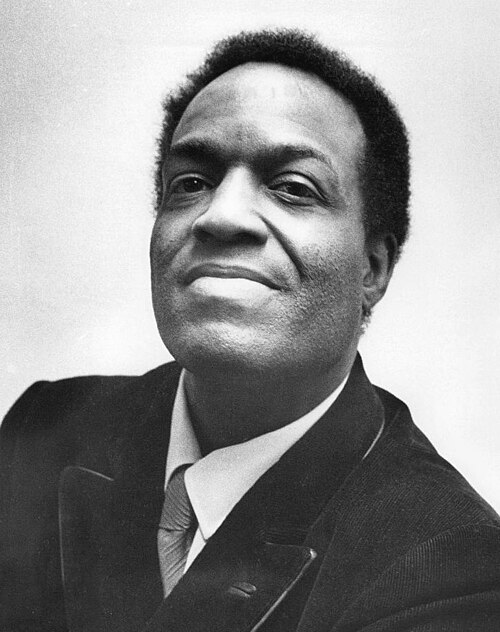
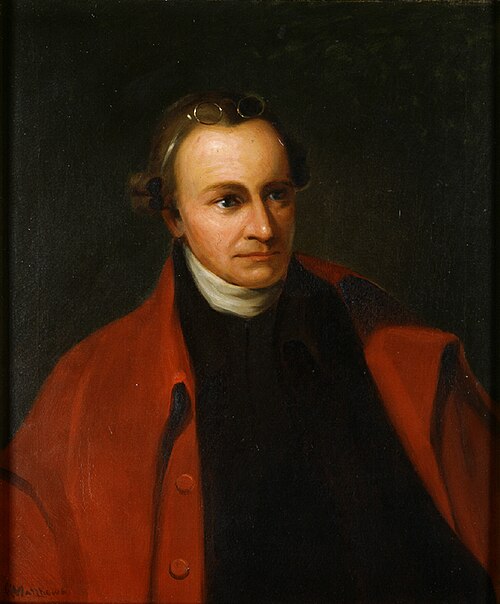
The people on the list above died at a median age of 67, close to the ACS's average age at diagnosis of 68. The list is overwhelmingly male, with roughly six men for every woman. Men really are at higher risk, but not by that much: the National Cancer Institute says males are nearly twice as likely as females to be diagnosed. The rest of the gap comes from who became famous. The list also reaches back to 1799, into an era when the disease was far more common in the West than it is now.
What is stomach cancer?
The NCI says nearly all stomach cancers are adenocarcinomas, cancers of the gland cells in the stomach lining. Doctors often split them by location: cancers of the cardia, the top part of the stomach next to the esophagus, and non-cardia cancers in the main body of the stomach. The two have somewhat different causes. Infection with the bacterium Helicobacter pylori is tied mainly to the lower part of the stomach, while excess body weight is linked to cancers of the cardia.
Outlook depends heavily on how far it has spread when found. The ACS puts five-year relative survival at 77% when the cancer is still confined to the stomach, 37% once it reaches nearby lymph nodes or tissue, and 8% once it has spread to distant organs.
Which risk factors can't be changed?
Age and sex
Risk rises with age. The ACS says about 6 in 10 people diagnosed are 65 or older, and the NHS describes risk as higher after age 50. Men are more often affected than women, as noted above. The ACS puts lifetime risk at about 1 in 104 for men and 1 in 153 for women in the US. Globally, IARC reports that almost two thirds of new cases occur in men.
Where a person comes from
Rates vary sharply around the world. The NCI notes that stomach cancer is more common in parts of East Asia, Western Asia, Eastern Europe and South America. In the US, the ACS reports higher rates among Hispanic, African American, Native American, Asian American and Pacific Islander people than among non-Hispanic white people. H. pylori is part of the story: US survey data cited by the NCI found the infection in about 21% of non-Hispanic white people, 52% of non-Hispanic Black people and 64% of Mexican Americans in 1999-2000.
Family history and inherited syndromes
Having a parent, brother, sister or child who had stomach cancer raises the risk, according to the NCI. A few rare inherited conditions raise it much more. The ACS says a change in the CDH1 gene, which causes hereditary diffuse gastric cancer, greatly increases risk, and Lynch syndrome, Li-Fraumeni syndrome and Peutz-Jeghers syndrome also raise it. Together, though, these syndromes explain only a small percentage of stomach cancers, and most people who get the disease have no family history of it.
Other conditions
The ACS lists several medical factors: pernicious anemia, a past operation to remove part of the stomach, and blood type A. The NHS adds long-term, severe acid reflux and gastritis. Epstein-Barr virus is found in about 5% to 10% of stomach cancers.
Which risk factors can be changed?
H. pylori infection: the main cause
H. pylori is a common bacterium that lives in the stomach lining. The NCI's fact sheet cites an estimate that about two-thirds of the world's population carries it and often causes no symptoms. It spreads through contact with saliva, vomit or stool.
The NCI calls chronic infection a major risk factor for stomach cancer and says most cases of gastric adenocarcinoma are attributed to H. pylori. Most people who carry it never get cancer, the ACS adds, so infection alone is not a sentence.
The useful part is that it can be treated with antibiotics, and treatment appears to lower risk. In a randomized trial in Shandong, China, described by the NCI, two weeks of antibiotics cut the incidence of stomach cancer by nearly 50% over 22 years. The NCI states plainly that treating H. pylori infection reduces the risk of these cancers. Whether everyone should be tested is less settled: the ACS says it might be helpful to test and treat people at higher risk, such as those with atrophic gastritis or a family history. In 2026 IARC published guidance on population-wide H. pylori screen-and-treat programs for countries considering them.
Smoking
The ACS says stomach cancer risk is nearly doubled in people who smoke, and that smoking raises the risk of cancers of the upper stomach in particular. The NCI notes two more points: smoking makes H. pylori treatment less effective, and smokers who stop lower their risk over time.
Salt-preserved, smoked and processed food
What people eat matters too. The NCI says diets high in salted, smoked or poorly preserved foods and low in fruits and vegetables may raise risk. The ACS names salted fish and meat and pickled vegetables, and says processed or charbroiled meats likely raise the risk of cancers in the main body of the stomach.
The WHO lists gastric cancer among the diseases linked to high-sodium diets and recommends adults eat less than 5 grams of salt a day, about a teaspoon. On the protective side, the ACS says a diet with plenty of fresh fruits and vegetables probably lowers risk, and the NHS suggests at least 5 portions a day.
Alcohol
Alcohol probably raises the risk, and the ACS says the evidence is strongest in people who have 3 or more drinks a day. The NCI's alcohol fact sheet places stomach cancer among the cancers with some evidence of a link, weaker than for cancers of the mouth, throat, esophagus or liver. The NHS advises staying at or under 14 units a week.
Excess body weight and inactivity
The NCI includes upper stomach cancer among the at least 13 cancers linked to obesity. Activity points the other way: the NCI reports that the most physically active people have about a 19% lower risk of stomach cancer than the least active, though this comes mainly from observational studies.
Workplace exposures
Workers in the coal, metal and rubber industries seem to have a higher risk, according to the ACS. The NHS recommends protective clothing and masks for jobs that involve harmful chemicals, such as rubber manufacturing or coal mining.
Aspirin: a lead, not a recommendation
The ACS says regular use of aspirin and similar drugs seems to lower stomach cancer risk, but that these drugs can cause serious internal bleeding and that doctors do not routinely recommend them to prevent cancer.
What does not cause stomach cancer?
- "Carrying H. pylori means I will get cancer." Most people with the infection never develop stomach cancer, and it can be treated.
- "It runs in my family, so it is inevitable." Inherited syndromes explain only a small share of cases. A family history raises risk, but most people diagnosed have none.
- "Stomach cancer is a disease of the past." It has fallen steeply in the US, but it is still among the top five causes of cancer death worldwide.
- "Indigestion is just indigestion." Usually it is. The NHS notes that these symptoms are common and have many causes, but that a digestive problem that does not improve after 3 weeks of usual treatment should be checked.
Can it be caught early?
Not through routine screening, for most people. The NCI states that there are no standard or routine screening tests for people at average risk. For people at higher risk, the NCI says screening with upper endoscopy may help, including older adults with chronic gastric atrophy or pernicious anemia, people who had part of the stomach removed, people with a strong family history or certain genetic syndromes, and people from countries where the disease is common.
For carriers of a CDH1 mutation, the risk is high enough that the ACS says doctors may recommend removing the stomach, typically between ages 20 and 30, before cancer develops, with regular endoscopy as the alternative.
When should someone see a doctor?
The NHS lists symptoms that can come from stomach cancer, though far more often from something else:
- heartburn or acid reflux, trouble swallowing, feeling sick, frequent burping, and feeling full very quickly
- losing appetite or weight without trying, a lump or pain at the top of the tummy, tiredness, and darker than usual stools
The NHS advises seeing a GP about trouble swallowing, a lump, unexplained weight loss, or symptoms that get worse or do not improve after 3 weeks, and calling NHS 111 after more than 2 days of vomiting. Signs of bleeding in the stomach, such as vomit with blood or that looks like coffee grounds, or black, tarry stools, call for a doctor right away, according to the NIDDK.
What do the famous cases show?
- Napoleon I died in exile on Saint Helena in 1821, at 51. Accounts of his death give stomach cancer as the cause.
- John Wayne died in 1979 at 72. He had survived lung cancer diagnosed in 1964, and stomach cancer is given as the cause of his death.
- Ronnie James Dio, the heavy metal singer, announced his diagnosis in November 2009 and died in 2010 at 67, about six months later.
- Sydney Pollack, the director, died in 2008 at 73. Our record says stomach cancer, but published accounts disagree, naming stomach, pancreatic, or cancer of unknown primary origin.
- Michelle Thomas, of The Cosby Show and Family Matters, is the youngest person on this list. Our record says stomach cancer, but accounts of her death describe a desmoplastic small round cell tumor, a rare abdominal cancer that is not a typical stomach adenocarcinoma.
Among the notable people on this list, the median age at death is 67, and the middle half died between 59 and 79. The oldest died at 95.
A few cautions apply. Notable people are not a representative sample of anyone, which is why men outnumber women here far more than in the population. Causes of death come from Wikidata and can be loose, as the last two cases show. And history matters: a death from stomach cancer in 1821 comes from a world without refrigeration, antibiotics or endoscopy, and says little about risk today. Nothing on this page implies that any named person's habits caused their illness.
The short version
- H. pylori infection is the main cause of stomach cancer, and treating it lowers the risk.
- Smoking nearly doubles the risk; quitting brings it down over time.
- Diets heavy in salt-preserved, smoked and processed foods raise risk, and fruits and vegetables probably lower it.
- Heavy drinking and, for the upper stomach, excess weight add to the odds.
- There is no routine screening for people at average risk, so persistent indigestion, trouble swallowing or unexplained weight loss are worth taking to a doctor.
Sources
- IARC: Stomach cancer - global rank, 2024 cases and deaths, share in China and among men.
- IARC: Working Group Report on H. pylori screen-and-treat strategies - 2026 guidance on population programs.
- WHO: Salt reduction fact sheet - gastric cancer linked to high-sodium diets, salt limit.
- American Cancer Society: Key Statistics for Stomach Cancer - US share, age at diagnosis, lifetime risk, historical decline.
- American Cancer Society: Stomach Cancer Risk Factors - H. pylori, smoking, diet, alcohol, weight, ethnicity, inherited syndromes, other conditions, workplace.
- American Cancer Society: Can Stomach Cancer Be Prevented? - fruit and vegetables, H. pylori testing, smoking, aspirin, preventive gastrectomy.
- American Cancer Society: Stomach Cancer Survival Rates - five-year survival by stage.
- National Cancer Institute: Stomach Cancer - adenocarcinoma as the main type.
- National Cancer Institute: Stomach Cancer Causes and Risk Factors - sex, regions, H. pylori, diet, smoking, family history.
- National Cancer Institute: Stomach Cancer Screening - no routine test, endoscopy for higher-risk groups.
- National Cancer Institute: Helicobacter pylori and Cancer - prevalence, share of gastric cancers, treatment trial.
- National Cancer Institute: Alcohol and Cancer Risk - strength of evidence for stomach cancer.
- National Cancer Institute: Obesity and Cancer - upper stomach cancer among obesity-linked cancers.
- National Cancer Institute: Physical Activity and Cancer - lower stomach cancer risk with activity.
- NIDDK: Symptoms and Causes of Peptic Ulcers - signs of stomach bleeding that need prompt care.
- NHS: Causes of stomach cancer - age, conditions, family history, diet, alcohol, work exposure.
- NHS: Symptoms of stomach cancer - symptoms and when to see a GP or call 111.
How this was sourced
This article summarizes what public health authorities and peer-reviewed research say, and each claim links to the page we took it from. We are not doctors, and this is not medical advice. Your own risk depends on your history, your family and your circumstances, so talk to a doctor about it.