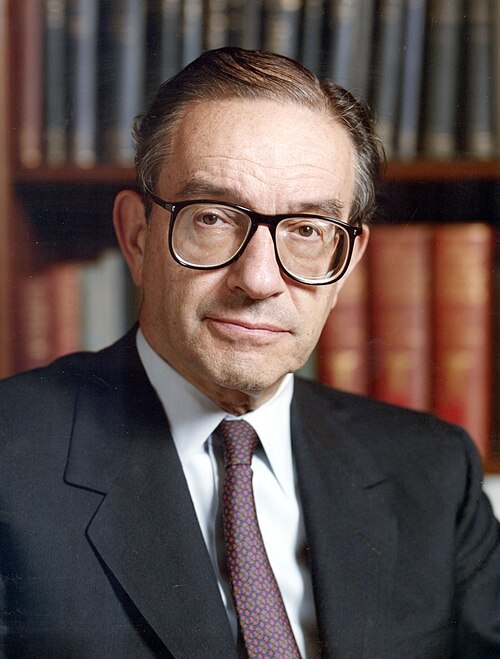
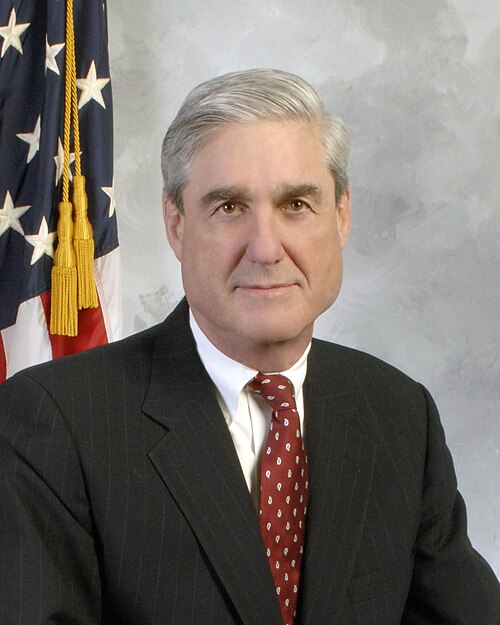
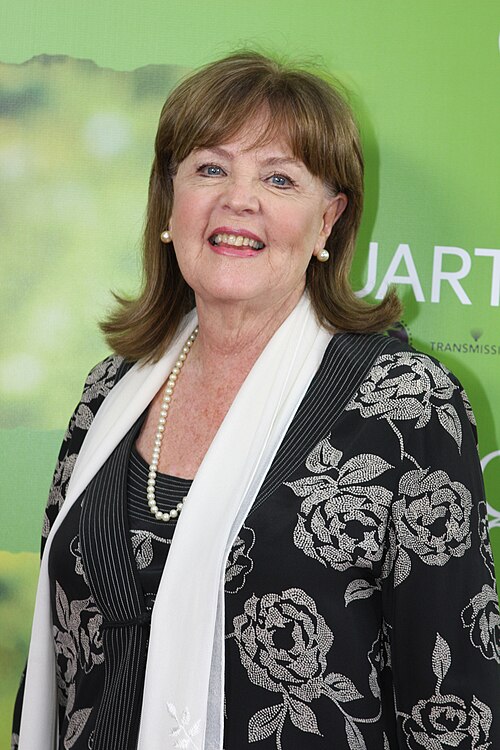
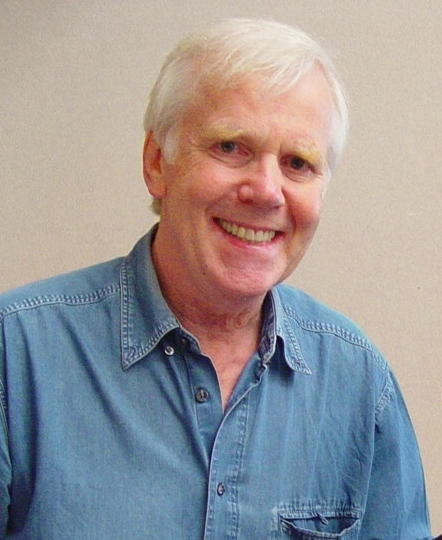
Parkinson's disease is a brain condition in which the nerve cells that make dopamine die off, slowly taking away control of movement. It is common and growing. The World Health Organization reports that the number of people living with it has doubled over the past 25 years to more than 8.5 million, and that it caused 329,000 deaths in 2019, more than twice the number in 2000.
The people on the list above died old. Their median age at death is 83, and half died between about 79 and 87; nobody on the list died younger than 74. That fits a disease that usually starts in the 60s and runs for many years. The list is also lopsided by sex, 21 men to 3 women. Men do get Parkinson's more often, but the NHS describes them as only slightly more likely to develop it than women, so most of that gap reflects who became famous, not who gets ill.
What is Parkinson's disease?
Deep in the brain, a small region called the substantia nigra makes dopamine, a chemical messenger that helps smooth and coordinate movement. The NHS explains that Parkinson's is caused by the loss of nerve cells in that region, and that symptoms usually show only after about half of their activity is already gone. That long hidden phase is one reason the causes are so hard to pin down.
The best-known signs are tremor, slowness and stiffness, but the WHO lists many others, including sleep problems, pain, mental health conditions and dementia. There is no cure. Levodopa combined with carbidopa, which raises dopamine levels in the brain, is the most commonly used medicine, and deep brain stimulation can help some people with tremor.
Parkinson's is usually not what kills a person directly. The NHS notes that most people now have a normal or near-normal life expectancy, though the disease can leave them more open to serious infections. When a death is recorded as Parkinson's, it is often the late complications that end life.
Which risk factors can't be changed?
Age
Age is the clearest risk factor. MedlinePlus says the disease usually begins around age 60, though it can start earlier, and the NHS says most people first notice symptoms after 50. Early-onset cases, those starting before 50, make up only 2% to 10% of the total, according to the National Institute of Environmental Health Sciences (NIEHS).
Sex
Parkinson's is more common in men than in women, MedlinePlus says. The WHO confirms the pattern without giving a ratio, saying men are affected more often.
Genes and family history
A family history raises risk, the WHO notes. MedlinePlus Genetics puts the share of people with Parkinson's who have a relative with the disease at approximately 15 percent. Changes in a handful of genes, including LRRK2, PINK1, PRKN and SNCA, can cause the disease in some families, while others such as GBA1 change risk without causing it outright.
Still, inherited forms are the minority. NIEHS says most late-onset cases have no clear genetic cause, and MedlinePlus says most cases do not appear to run in families. The working view is that the usual case comes from genes and environment acting together.
Which risk factors can be changed?
Here the evidence is thinner than for heart disease or many cancers. Almost all of it comes from observational studies, which can show a link but not prove a cause. The NHS describes the evidence on environmental factors as inconclusive. With that caution, a few factors keep turning up.
Pesticides and herbicides
This is the most studied environmental link. NIEHS says pesticide exposure has consistently been associated with the onset of Parkinson's, and reports that people who used the weedkiller paraquat or the insecticide rotenone at work developed the disease 2.5 times more often than nonusers. The WHO also lists pesticides, solvents and air pollution as exposures that may raise risk.
The largest recent review, a 2026 meta-analysis drawing on 124 studies, found pooled odds of Parkinson's about 1.8 times higher with exposure to any pesticide and about 1.6 times higher for herbicides, the class with the strongest evidence. The authors were frank about the limits: 115 of the 124 studies were case-control designs relying largely on people's memory of past exposure, so the results cannot establish cause. Protective measures may help. NIEHS reports that gloves and good hygiene reduced Parkinson's risk among farmers handling paraquat and other chemicals.
Solvents
The solvent trichloroethylene (TCE) is the leading suspect among chemicals other than pesticides. NIEHS-funded researchers found that TCE exposure may act on the LRRK2 protein and raise risk. A 2024 review in Parkinsonism and Related Disorders put the association with organic solvents at roughly 1.4 times the risk.
Head injury
A blow to the head may contribute to the death of dopamine-making cells, NIEHS says, and the risk appears greater in people also exposed to paraquat or carrying a risk variant in the alpha-synuclein gene. A 2023 meta-analysis of 18 studies with nearly 1.5 million participants found that even mild traumatic brain injury was tied to about 1.7 times the odds of Parkinson's. The 2024 review labels the head injury link controversial, with estimates of about 1.4 to 1.7, partly because the authors cannot rule out reverse causation, with early, undiagnosed disease leading to the injury rather than the other way round.
Air pollution and metals
NIEHS reports that fine-particle air pollution (PM2.5) was strongly associated with Parkinson's cases across the US. The size of the effect per person is small, about 1.1 to 1.2 times the risk in the 2024 review, but so many people breathe polluted air that it could matter at the population level. Separately, welders exposed to manganese can develop Parkinson's-like symptoms.
Exercise
Physical activity shows the most consistent protective association. A 2018 meta-analysis in JAMA Network Open pooled eight prospective studies covering 544,336 people and found that the most active had a relative risk of 0.79 compared with the least active. Among men, each extra 10 MET-hours a week of moderate to vigorous activity was linked to a 17% lower risk; the pattern was less clear in women. NIEHS also reports that more moderate to vigorous activity in middle age was linked to lower risk. Light activity showed no link in the 2024 review, which put the effect of moderate to strenuous activity at about 0.65.
For people who already have the disease, the evidence is stronger, because it comes from trials. A 2023 Cochrane review of 156 trials with 7,939 participants found that most forms of structured exercise, from dance and tai chi to strength and endurance training, improved movement symptoms, and that the exact type may matter less than doing some. The WHO lists physiotherapy, gait and balance training and strength work as rehabilitation that can improve function and quality of life.
Caffeine, smoking and milk
Three odd findings recur in the research. Coffee drinking is linked to a lower risk, around 0.7 times in the 2024 review, and NIEHS notes the link was seen in both men and women. Smoking is also linked to a lower risk, about 0.4 to 0.6 times, though the review's authors say reverse causation, where early brain changes make people less inclined to smoke, remains plausible. This is not a reason to smoke: the link may reflect reverse causation, and the CDC calls cigarette smoking the leading preventable cause of disease, death and disability in the US, harming nearly every organ. Drinking cow's milk, though not cheese, yogurt or butter, has been linked to a modestly higher risk, roughly 1.3 to 1.6 times.
What does not cause Parkinson's, and what is myth?
"It's always inherited"
Most people with Parkinson's have no affected relative. MedlinePlus says most cases do not appear to run in families, and only about 15 percent of patients report a family history.
"It's just a tremor"
Tremor is one sign among many, and not everyone has it. The NHS lists slowness and muscle stiffness as core symptoms alongside tremor, plus depression, anxiety, loss of smell, sleep trouble and memory problems.
"It's a death sentence"
The disease is progressive and has no cure, but it rarely kills quickly. The NHS says that thanks to treatment, most people now live a normal or near-normal lifespan.
"It only affects the old"
It is mostly a disease of later life, but the NHS notes some people first notice symptoms under 40.
Can it be caught early?
There is no screening test for Parkinson's in people without symptoms, and no health authority recommends one. Diagnosis rests on a specialist's assessment once symptoms appear.
When should someone see a doctor?
MedlinePlus says early symptoms tend to come on gradually, often on one side of the body. Signs worth raising with a doctor include:
- A tremor in a hand, arm, leg, jaw or face
- Stiffness in the limbs or trunk
- Movements becoming slow
- Poor balance or coordination
The NHS advises seeing a GP for any of these concerns, who may refer to a specialist. Early on, some people need no treatment but are monitored regularly by a specialist.
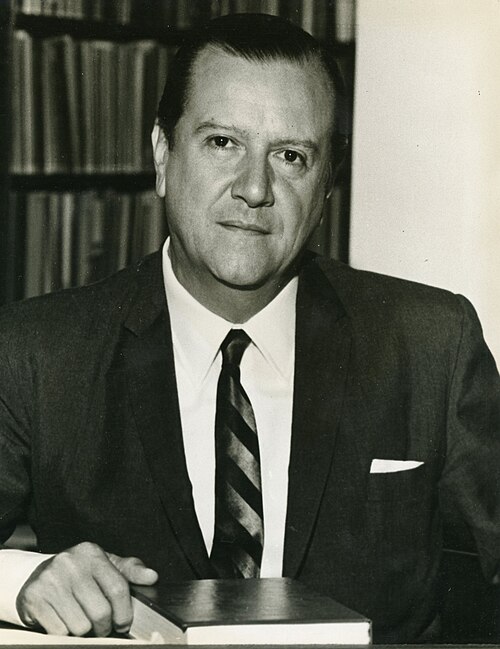
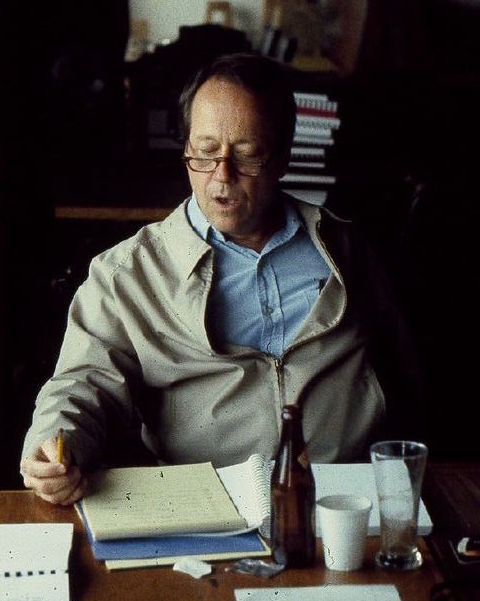
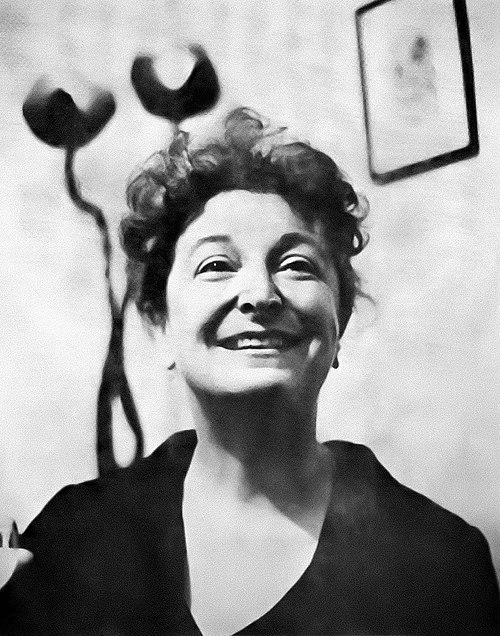
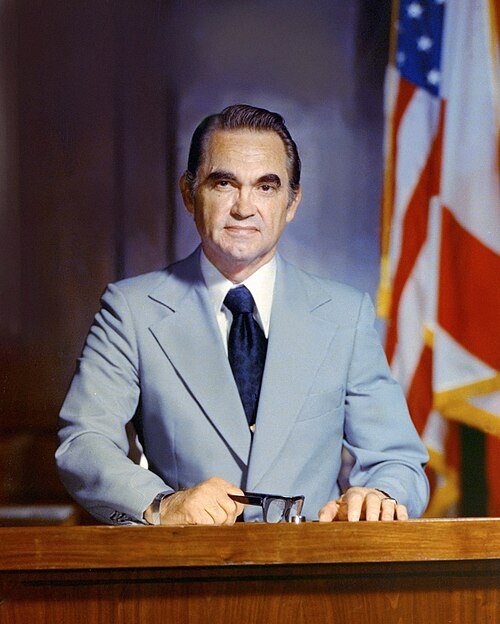
What do the famous cases show?
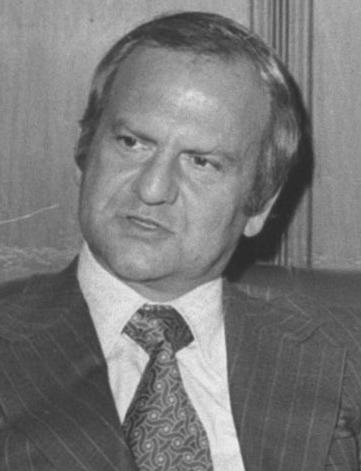
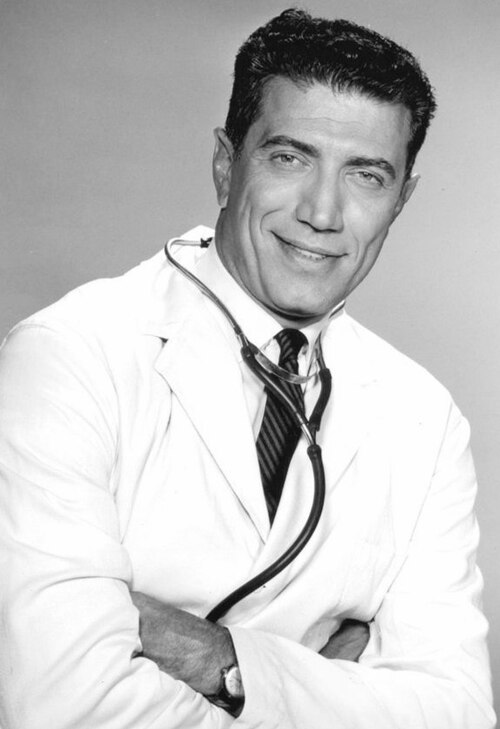
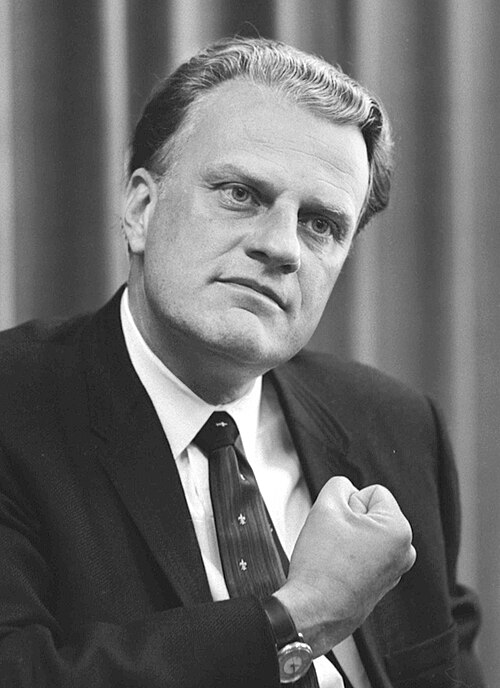
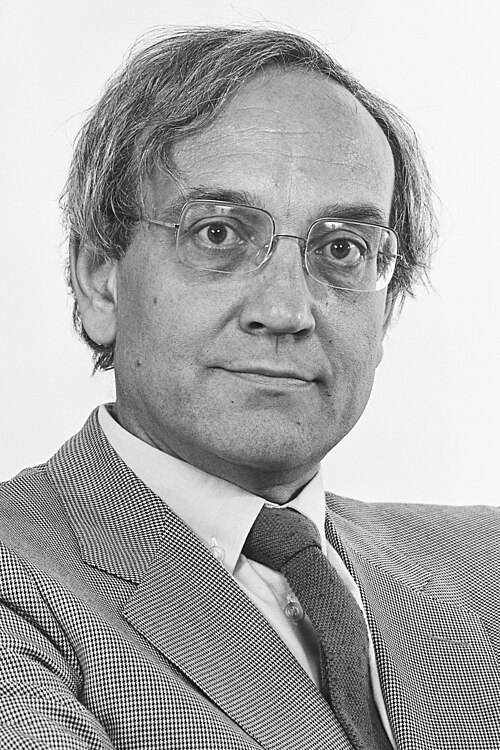
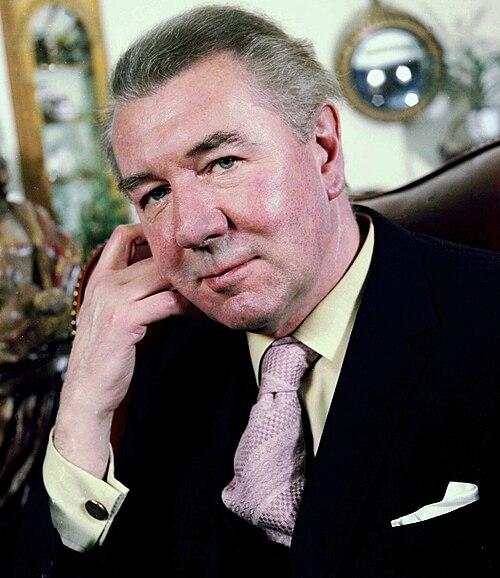
- Michael Redgrave, the English stage and screen actor, died in 1985 at 77.
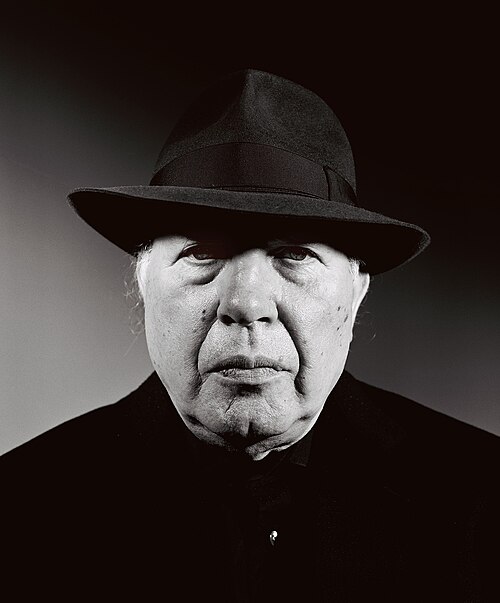
- Peter Bogdanovich, the New Hollywood director, died in 2022 at 82 of complications of Parkinson's.
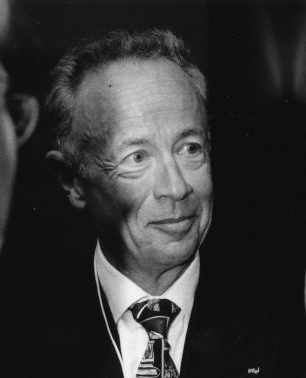
- Andrew Grove, who built Intel into the world's largest chipmaker, died in 2016 at 79. He had been diagnosed with Parkinson's in 2000, but his cause of death was not made public; our record lists Parkinson's.
- Alan Greenspan, the former Federal Reserve chairman, died in 2026 at 100, the oldest person on this list.
Across the notable people on this list, the median age at death is 83, and the youngest died at 74. That is the signature of a slow disease of later life rather than one that cuts lives short. The usual caveats apply: famous people are not a representative sample, causes of death here are recorded from Wikidata and can be incomplete or simplified, and Parkinson's is often listed alongside the pneumonia or fall that actually ended a life.
The short version
Age, male sex and, in a minority of families, specific genes set the baseline risk for Parkinson's. Among the factors people can influence, the most consistent are exposure to pesticides and certain solvents, head injury, and physical activity, with regular moderate to vigorous exercise linked to lower risk. None of these links is proven to be causal, and much of the research is observational. For people already diagnosed, trials show structured exercise of almost any kind helps with movement. Most people with Parkinson's now live close to a normal lifespan.
Sources
- WHO: Parkinson disease fact sheet - global prevalence and deaths, symptoms, risk exposures, treatment and rehabilitation.
- NHS: Parkinson's disease - symptoms, age of onset, sex difference, life expectancy, when to see a GP.
- NHS: Parkinson's disease, causes - loss of dopamine cells, environmental evidence described as inconclusive.
- MedlinePlus: Parkinson's disease - typical age of onset, early symptoms, most cases not familial.
- MedlinePlus Genetics: Parkinson disease - family history share and genes involved.
- NIEHS: Parkinson's disease - pesticides, paraquat and rotenone, TCE, head injury, air pollution, manganese, exercise, caffeine, early-onset share.
- Environmental Toxicology (2026): Revisiting the association of pesticide exposure and Parkinson's disease, meta-analysis - pooled odds for pesticides and herbicides, study limits.
- Parkinsonism and Related Disorders (2024): Update, protective and risk factors for Parkinson disease - effect sizes for solvents, head injury, air pollution, activity, caffeine, smoking, milk.
- Life (2023): Mild traumatic brain injury as a risk factor for parkinsonism, meta-analysis - odds of Parkinson's after mild head injury.
- JAMA Network Open (2018): Levels of physical activity and risk of Parkinson disease, meta-analysis - lower risk with higher activity, dose-response in men.
- Cochrane: Physical exercise helps to improve symptoms of Parkinson's disease - 2023 review of exercise trials in people with Parkinson's.
- CDC: Cigarette smoking - smoking as the leading preventable cause of disease and death.
How this was sourced
This article summarizes public health authorities and peer-reviewed research, linked at each claim. Details about the people named come from our records, which draw on Wikidata. It is not medical advice: talk to a doctor about your own risk.