Lymphoma is a cancer of the lymphocytes, the white blood cells that fight infection, and it usually starts in the lymph nodes. There are two broad families. Non-Hodgkin lymphoma is by far the larger: in the United States the National Cancer Institute estimates 79,320 new cases and 19,970 deaths in 2026, or 3.2% of all cancer deaths. Hodgkin lymphoma is much rarer, with about 8,920 new cases and 1,100 deaths expected in the same year.
Survival has improved a great deal. The NCI reports that 74.3% of people with non-Hodgkin lymphoma are alive five years after diagnosis, and that the death rate has fallen by an average of 2.4% a year from 2015 to 2024. For Hodgkin lymphoma, five-year survival is 89.3%.
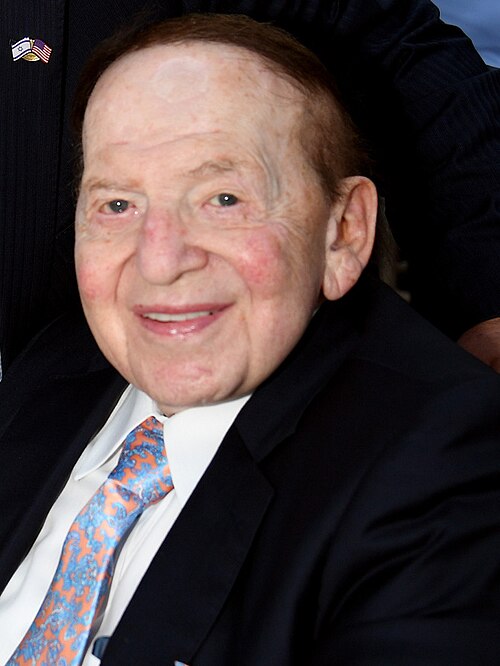
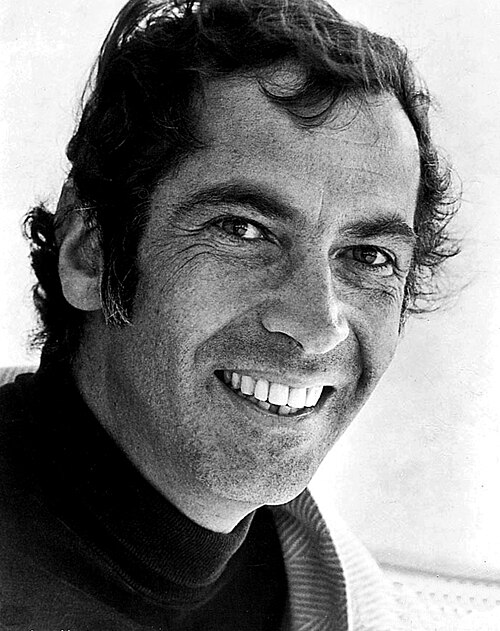
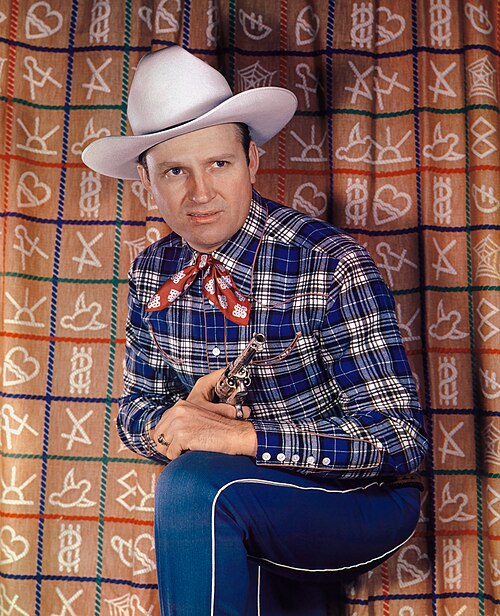
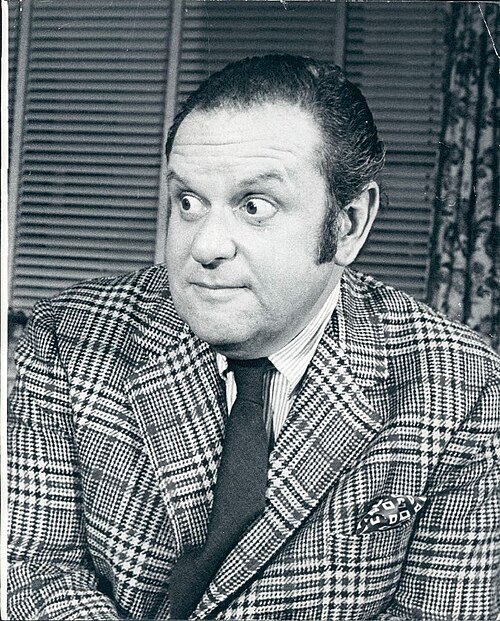
The list above is younger than the disease as a whole. Its median age at death is 67, while the NCI puts the national median age at death from non-Hodgkin lymphoma at 76. Several of the names died decades ago, before modern treatment. The list is also almost entirely male. Men do get non-Hodgkin lymphoma more often, with an age-adjusted rate of 22.4 new cases per 100,000 against 15.6 in women, but nowhere near the imbalance on the list, so its 23 men to 2 women should not be read as a measure of risk by sex.
What is lymphoma?
Lymphocytes travel through the body in the lymph system, a network of vessels and small glands (lymph nodes) in the neck, armpits, groin, chest and belly, plus the spleen and bone marrow. In lymphoma, one lymphocyte picks up DNA changes that let it multiply without the usual checks. The abnormal cells build up, most often as swollen lymph nodes, and can spread to other organs.
The NHS describes non-Hodgkin lymphoma as cancer of the white blood cells that help fight infection. It is really dozens of diseases, some slow-growing for years and some fast-growing, and the subtype shapes both treatment and outlook. Hodgkin lymphoma has a different age pattern: the NCI puts its median age at diagnosis at 38, compared with 68 for non-Hodgkin lymphoma.
A common thread runs through many of the known risk factors: the immune system. Conditions that weaken it, overstimulate it or keep it fighting a long infection all raise the odds that a lymphocyte will go wrong.
Which risk factors can't be changed?
Most people who get lymphoma have no obvious reason for it. The NHS says it is not known what causes non-Hodgkin lymphoma, and the American Cancer Society says most people with it have no risk factors they could change.
Age
The ACS calls age a strong risk factor for lymphoma overall, with most cases in people in their 60s or older. The NHS lists being over 50. Hodgkin lymphoma is the exception, with two peaks: the ACS says it is most common in a person's 20s and after age 55. Over a lifetime, the NCI estimates about 2.0% of people will be diagnosed with non-Hodgkin lymphoma.
Sex and ancestry
Overall risk is higher in men, though some subtypes are more common in women, and the ACS says the reasons are not known. In the US, White people are more likely to develop non-Hodgkin lymphoma than African American or Asian American people, and rates are higher in developed countries.
Family history
Having a parent, brother or sister with non-Hodgkin lymphoma may raise risk, according to the NHS. The size of the effect is modest: a 2022 review of epidemiologic studies in the Journal of the National Cancer Center reports an odds ratio of about 1.5 for people with a first-degree relative with the disease. For Hodgkin lymphoma, the ACS says the risk is very high for an identical twin of someone with the disease, though family links are still uncommon.
Autoimmune diseases
The ACS lists rheumatoid arthritis, lupus, Sjogren disease and celiac disease as linked with higher risk, and the NHS adds psoriasis. The 2022 review gives a sense of scale: about a 6.5-fold higher risk with Sjogren syndrome and about 2.7-fold with lupus, while results for rheumatoid arthritis were inconsistent.
Inherited immune problems and past treatment
Children with certain inherited immune disorders, such as ataxia-telangiectasia and Wiskott-Aldrich syndrome, are at higher risk. People treated with radiation for another cancer, such as Hodgkin lymphoma, have a slightly increased risk, which the ACS says is greater when radiation and chemotherapy are combined. The ACS notes that the benefit of those treatments still outweighs this risk.
Which risk factors can be changed?
The ACS is blunt that there is no sure way to prevent non-Hodgkin lymphoma. The factors below are the ones the sources name. Several are infections, which means prevention or treatment of the infection is the lever.
HIV
HIV is the clearest modifiable cause. The NCI reports that people with HIV are about 6 times as likely to develop diffuse large B-cell lymphoma, about 15 times as likely to develop Burkitt lymphoma, and about 6 times as likely to develop Hodgkin lymphoma as the general population. Treatment changes that picture: combination antiretroviral therapy, introduced in the mid-1990s, greatly reduced the incidence of non-Hodgkin lymphoma, though risk remains above average. The ACS points to avoiding intravenous drug use and unprotected sex with many partners as ways to lower HIV risk.
Other infections
- H. pylori. This stomach bacterium causes most cases of gastric MALT lymphoma, a rare subtype, the NCI says, and in some patients antibiotics that clear the infection have made these tumors shrink. The ACS says treating the infection may lower risk, though this has not been proven.
- Hepatitis C and B. The 2022 review reports an odds ratio of about 1.8 for hepatitis C and about 2.6 for hepatitis B. The ACS links hepatitis C to splenic marginal zone lymphoma in particular.
- Epstein-Barr virus. The ACS says people who have had mono, which EBV causes, are at increased risk of Hodgkin lymphoma, though most Americans carry the virus and few develop the disease.
- HTLV-1. This virus raises the risk of some T-cell lymphomas but causes less than 1% of lymphomas in the US.
Drugs that suppress the immune system
Organ transplant patients take drugs to stop their bodies rejecting the new organ, and those drugs raise the risk of non-Hodgkin lymphoma. Some rheumatoid arthritis drugs, such as methotrexate and TNF inhibitors, may raise risk too, but the ACS notes other studies have not found this.
Body weight
The ACS says excess weight might increase risk, but more research is needed. The effect in studies is small: a meta-analysis of 16 prospective studies, cited in the 2022 review, found about 7% higher risk for every 5 points of body mass index.
Pesticides, herbicides and benzene
The ACS says benzene and some herbicides and insecticides may be linked to higher risk, with research still under way. The most argued-over example is glyphosate. In 2015 the International Agency for Research on Cancer classed it as "probably carcinogenic to humans," citing limited human evidence with non-Hodgkin lymphoma as the cancer of concern. The same IARC page notes that regulatory agencies reviewing the evidence concluded that glyphosate poses no unreasonable risks to humans, and attributes the difference to their reliance on industry studies that are not publicly available. The 2022 review also reports raised risk with some older organochlorine pesticides, such as chlordane and DDT.
Breast implants
Rarely, women with breast implants develop a lymphoma in the scar tissue around the implant, mostly a type called breast implant-associated anaplastic large cell lymphoma, according to the ACS.
Smoking
Smoking is not a major lymphoma risk, but it is not neutral. The 2022 review found a dose-response pattern with heavy or long-term smoking across 12 studies and a modestly higher risk of follicular lymphoma.
What does not cause lymphoma?
Catching it from someone
Lymphoma is not contagious. The NCI explains that some viruses linked to cancer can pass between people, but the cancers they sometimes cause cannot. Someone with lymphoma cannot pass it on through contact.
Hair dye
The evidence is mixed and points mostly to older products. The NCI reports that women who began using hair dye before 1980 were 1.3 times as likely to develop non-Hodgkin lymphoma, with no increase for women who started after 1980, and that a large 2020 cohort study found no link. IARC rates personal hair dye use as not classifiable as to whether it causes cancer.
Sugar
Cancer cells use a lot of glucose, which feeds the idea that sugar drives cancer. The NCI says no studies show that eating sugar makes cancer worse or that cutting it out shrinks tumors.
Can it be caught early?
No screening test is recommended. The ACS says there are no widely recommended screening tests for non-Hodgkin lymphoma, and that the best way to find it early is to pay attention to symptoms. For people at known high risk, such as those with HIV, an organ transplant, an autoimmune disease or past cancer treatment, it advises careful, regular medical checkups.
What are the warning signs?
The NHS says the most common symptom is a painless lump or swelling in the neck, armpit or groin. Other signs it lists:
- a high temperature, or feeling hot, cold or shivery
- night sweats
- shortness of breath
- itchy skin
- sudden weight loss without trying
The ACS adds fatigue and swelling in the abdomen. These symptoms usually have a cause other than cancer, but the ACS advises having these symptoms checked by a doctor, especially if they do not go away or get worse.
What do the famous cases show?
Jacqueline Kennedy Onassis died in 1994 at 64. According to Wikipedia, she was diagnosed with non-Hodgkin lymphoma in December 1993 after noticing swollen lymph nodes in her neck; by spring the cancer had spread to her brain, spinal cord and liver, and she died about five months after diagnosis.
Bob Ross, the painter and host of The Joy of Painting, died in 1995 at 52 of complications from lymphoma, which Wikipedia says had been diagnosed several years earlier. Andy Whitfield, the star of Spartacus: Blood and Sand, is the youngest well-known name here: Wikipedia records a diagnosis of stage IV non-Hodgkin lymphoma in March 2010 and his death in 2011 at 39.
At the other end, the director Sidney Lumet died of lymphoma in 2011 at 86, and Gene Autry, the Singing Cowboy, died of lymphoma in 1998 at 91, according to their Wikipedia pages. Those two are closer to the typical patient today.
Among the notable people on this list, the median age at death is 67, and half died between 54 and about 75. Notable people are not a representative sample, causes of death are taken from Wikidata and can be incomplete or loosely recorded (most entries do not give a subtype, and some may be Hodgkin rather than non-Hodgkin), and the earliest death on the list dates to 1909, long before chemotherapy existed.
The short version
- Most lymphoma has no known cause, and age is the biggest risk factor.
- A weakened or overactive immune system is the common thread: HIV, transplant drugs and autoimmune diseases all raise risk.
- HIV is the most important preventable factor, and treating it greatly lowers lymphoma risk.
- Infections such as hepatitis B and C and H. pylori play a part in some subtypes; weight, smoking and some pesticides have smaller or less certain links.
- There is no screening test; the ACS advises having a painless lump, night sweats, fever or unexplained weight loss checked by a doctor, especially if they do not go away or get worse.
Sources
- National Cancer Institute SEER: Cancer Stat Facts, Non-Hodgkin Lymphoma - US cases, deaths, survival, median ages, sex rates, trends.
- National Cancer Institute SEER: Cancer Stat Facts, Hodgkin Lymphoma - cases, deaths, median age, survival.
- National Cancer Institute: HIV Infection and Cancer Risk - lymphoma risk in people with HIV; effect of antiretroviral therapy.
- National Cancer Institute: Helicobacter pylori and Cancer - H. pylori and gastric MALT lymphoma.
- National Cancer Institute: Common Cancer Myths and Misconceptions - contagion and sugar.
- National Cancer Institute: Hair Dyes and Cancer Risk - hair dye and non-Hodgkin lymphoma studies.
- American Cancer Society: Risk Factors for Non-Hodgkin Lymphoma - age, sex, immune factors, infections, chemicals, weight, implants.
- American Cancer Society: Can Non-Hodgkin Lymphoma Be Prevented? - no sure prevention; HIV, H. pylori, weight.
- American Cancer Society: Can Non-Hodgkin Lymphoma Be Found Early? - no screening; symptoms; checkups for high-risk groups.
- American Cancer Society: Risk Factors for Hodgkin Lymphoma - EBV, age peaks, twins.
- NHS: Non-Hodgkin Lymphoma - what the disease is.
- NHS: Causes of Non-Hodgkin Lymphoma - unknown cause; age, infections, immune and autoimmune conditions, family history.
- NHS: Symptoms of Non-Hodgkin Lymphoma - warning signs.
- IARC: Monograph on Glyphosate - 2015 Group 2A classification and limited human evidence for non-Hodgkin lymphoma.
- Journal of the National Cancer Center (2022): Etiology of Non-Hodgkin Lymphoma, a Review from Epidemiologic Studies - family history, autoimmune disease, hepatitis, BMI, smoking, pesticides.
How this was sourced
We summarized public health authorities and peer-reviewed research, linking each claim to the page it came from. Details about the people named come from their Wikipedia pages and our own records. This page is not medical advice and cannot tell you your own risk; talk to a doctor about your health, family history and any symptoms that worry you.