This page groups three records that are usually stages of one story: liver cirrhosis, liver failure and liver cancer. Cirrhosis is permanent scarring of the liver after years of damage; liver failure is the point where the scarred or injured organ can no longer do its work; and most liver cancers grow in a liver that is already scarred. The American Cancer Society says that most, though not all, people who develop liver cancer already have some cirrhosis.
The toll is large and mostly preventable. Hepatitis B alone caused an estimated 1.1 million deaths in 2024, mostly from cirrhosis and liver cancer, and hepatitis C about 239,000, according to the World Health Organization. In the US, the National Institute on Alcohol Abuse and Alcoholism (NIAAA) counts about 48,000 deaths from cirrhosis in 2019, half of them alcohol-related, and the American Cancer Society says liver cancer rates have tripled over the past 4 decades.
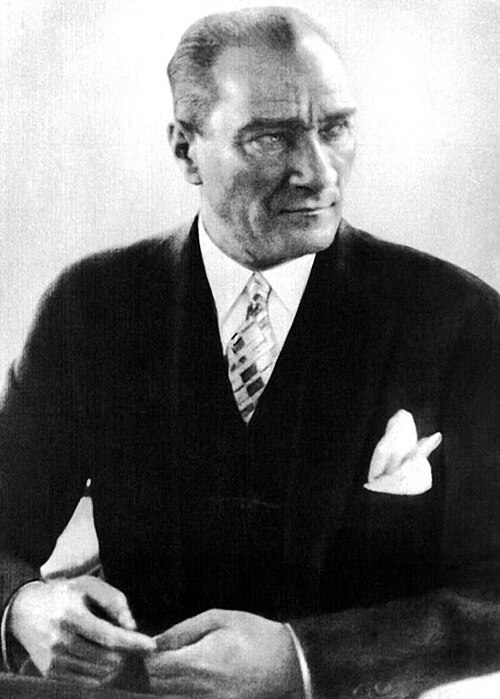
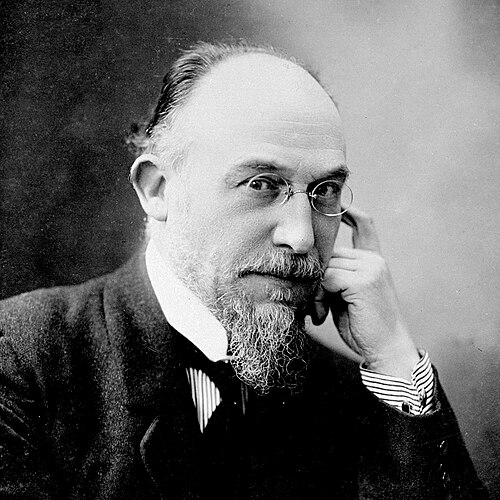
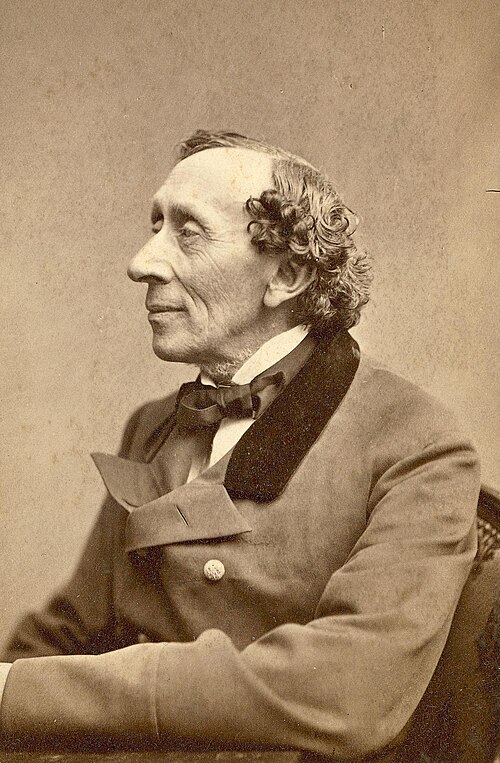
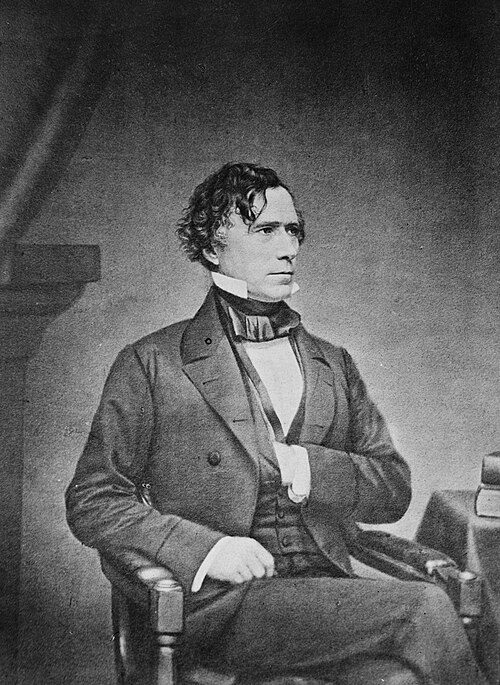
Two things stand out in the list above. The notable people on it died fairly young, at a median age of 64, with a quarter dying by 51. And it is almost entirely male: 38 men and 3 women. Men do carry more risk. The American Cancer Society expects about 27,790 new US liver cancer cases in men and 14,550 in women in 2026, but our list is far more lopsided than that, which says as much about who was famous and recorded as about the disease.
What are cirrhosis, liver failure and liver cancer?
The liver processes nutrients, medicines and alcohol and clears waste from the blood. It can repair itself, but long-running injury from alcohol, a virus or fat buildup leaves scar tissue behind. When scar tissue replaces enough of the healthy liver, the result is cirrhosis. The NHS says cirrhosis cannot be cured, but treatment can slow or stop it getting worse.
Many people have no symptoms for years. When the liver starts to fail, the National Institute of Diabetes and Digestive and Kidney Diseases (NIDDK) lists signs such as easy bruising or bleeding, confusion, swelling in the legs or belly, dark urine, jaundice, and bleeding from enlarged veins.
Liver failure can also come on suddenly in a liver that was healthy. A 2017 review in the Journal of Clinical and Translational Research states that acetaminophen (paracetamol) overdose is the most common cause of acute liver failure in the United States, accounting for almost half of cases between 1998 and 2013.
The most common primary liver cancer is hepatocellular carcinoma. Worldwide, the National Cancer Institute (NCI) says liver cancer is the sixth most common cancer and the third leading cause of cancer death.
Which risk factors can't be changed?
Sex
Men develop the most common liver cancer more often than women, the NCI says; the American Cancer Society expects about twice as many US cases in men as in women (27,790 against 14,550) and links much of the gap to differences in other risk factors. Women are not protected, though. For the same amount of drinking, the NIAAA says, women face a greater risk of cirrhosis than men, and the death rate from alcohol-related cirrhosis rose 83.5% in women between 2000 and 2019, against 33% in men.
Ancestry and where people live
In the US, the American Cancer Society says Asian Americans and Pacific Islanders have the highest liver cancer rates, and the NCI reports the highest rates among American Indian and Alaska Native people. Globally, liver cancer is much more common in sub-Saharan Africa and Southeast Asia, where it is often the most common cancer. The NCI says chronic hepatitis B is the leading cause of liver cancer in Asia and Africa.
Inherited liver conditions
Some people are born with conditions that damage the liver over time. The NHS lists haemochromatosis (iron overload), Wilson's disease, alpha-1 antitrypsin deficiency and cystic fibrosis, along with autoimmune liver conditions. The NIDDK adds that certain inherited genes may affect how much damage alcohol, viruses or fat do to the liver.
Which risk factors can be changed?
The NIDDK names three main causes of cirrhosis: alcohol, fatty liver disease, and chronic hepatitis B or C. Many people have more than one. All three can be prevented, treated or slowed.
Alcohol
The liver handles most of the alcohol a person drinks, and the damage follows the dose. The NIAAA describes a range from fatty liver to inflammation, scarring, cirrhosis and cancer, and says harm can begin at relatively low amounts. A 2022 review in the NIAAA's journal Alcohol Research found that among chronic heavy drinkers, 90% to 95% develop fatty liver, 20% to 40% go on to scarring and 8% to 20% to cirrhosis. Of those with cirrhosis, 3% to 10% develop liver cancer.
For cancer specifically, the NIAAA says drinking more than 80 grams of alcohol a day for over ten years is linked to roughly a fivefold rise in liver cancer risk. The NCI notes that heavy drinkers who have cirrhosis are ten times more likely to develop liver cancer than heavy drinkers without it. In the UK, the NHS lists regular drinking above 50 units a week for men or 35 units a week for women as a risk factor for cirrhosis.
Stopping helps at every stage. The NIAAA says alcohol-related fatty liver is fully reversible if drinking stops, and that in cirrhosis, giving up alcohol prevents further damage and substantially improves survival. The CDC's guidance on moderate drinking is no more than two drinks a day for men and one for women, and it says people with some liver diseases should not drink at all.
Hepatitis B
Hepatitis B is a virus that can settle into a lifelong infection. The WHO estimates that about 240 million people had chronic hepatitis B in 2024. It spreads from mother to baby at birth, between young children, through sex, and through unsafe injections. Age at infection matters enormously: infection in infancy or early childhood becomes chronic in about 95% of cases, against fewer than 5% of adult infections. The NCI says hepatitis B is the leading cause of liver cancer in Asia and Africa.
A vaccine prevents it. The WHO describes it as giving nearly 100% protection, recommends a first dose within 24 hours of birth, and says protection lasts at least 20 years and probably for life. The CDC recommends hepatitis B vaccination for all infants, unvaccinated children and teens, and adults aged 19 to 59, plus older adults with risk factors. The NCI states that the vaccine lowers liver cancer risk in children. For people already infected, the WHO says chronic hepatitis B can be treated with antiviral medicines, usually for life, and that treatment can slow cirrhosis, reduce liver cancer and improve survival.
Hepatitis C
Hepatitis C spreads mainly through blood: the WHO names unsafe medical injections and procedures, unscreened transfusions, and shared needles among people who inject drugs. About 30% of people clear the virus on their own; for the rest, the infection becomes chronic, and their risk of cirrhosis is 15% to 30% within 20 years. The NCI calls it the leading cause of liver cancer in North America, Europe and Japan.
There is no vaccine, but there is a cure. The WHO says modern antiviral pills cure more than 95% of people with hepatitis C, usually in 12 to 24 weeks. The American Cancer Society notes that clearing the virus may lower the risk of liver cancer. Because donated blood is now tested, the risk from transfusion is very low.
Fatty liver disease, weight and diabetes
Fat can build up in the liver without heavy drinking. Doctors used to call this non-alcoholic fatty liver disease (NAFLD) and now call it MASLD. The NIDDK estimates that about 24% of US adults have it. Most have a mild form, but in about 1.5% to 6.5% of adults it becomes an inflamed, damaging form (NASH, now called MASH) that can scar the liver and lead to cirrhosis and cancer.
It tracks closely with weight and blood sugar. The NIDDK finds fatty liver in more than 90% of people with severe obesity and in one-third to two-thirds of people with type 2 diabetes. The American Cancer Society lists both obesity and type 2 diabetes as liver cancer risk factors. Weight loss helps: a 2025 review in the World Journal of Hepatology says losing about 3% to 5% of body weight reduces liver fat, while 7% to 10% or more is usually needed to reverse inflammation and scarring.
Smoking
The NCI says liver cancer risk rises with the number of cigarettes smoked a day and the number of years smoked. The American Cancer Society says former smokers have a lower risk than current smokers, though still higher than people who never smoked.
Aflatoxin and other exposures
In hot, humid regions, a mold toxin called aflatoxin B1 can grow on stored corn and nuts. The NCI says it is most common in sub-Saharan Africa, Southeast Asia and China, and the American Cancer Society notes that the risk is greater still in people who also have hepatitis B or C. Long-term use of anabolic steroids slightly raises risk too.
What does not cause or prevent liver disease?
"Only heavy drinkers get cirrhosis"
False. Alcohol is only one of the three main causes the NIDDK lists, alongside fatty liver disease and chronic viral hepatitis, and in some people no cause is found.
"Thin people don't get fatty liver"
The 2025 World Journal of Hepatology review says lean MASLD makes up as much as 20% of cases, with a similar risk of progressing.
"Liver cleanses and detox teas protect the liver"
The same review calls this false and potentially dangerous: most such products lack proven benefit, and many "natural" products have caused liver injury, including acute hepatitis and liver failure. The NHS advises people with cirrhosis to check with a pharmacist or doctor before taking any medicine, including herbal remedies.
"A little alcohol is always safe"
Not for a damaged liver. The review concludes that for people with fatty liver, even small amounts can harm the liver, and moderate or occasional drinking may speed progression to more severe disease, and the CDC says people with some liver diseases should not drink at all.
"You can catch hepatitis C from food, water or a hug"
No. The WHO states that hepatitis C is not spread through breast milk, food, water or casual contact.
"Coffee is bad for the liver"
The evidence points the other way, though it is observational. A 2017 meta-analysis in Nutrients covering about 2.1 million participants found each extra daily cup of coffee was linked to about a 15% lower risk of liver cancer. Observational studies like these cannot prove that coffee is the cause.
Can it be caught early?
Testing for the viruses is the main early check. The US Preventive Services Task Force recommends that all adults aged 18 to 79 be screened for hepatitis C, usually once, with repeat tests for people with ongoing risk such as injection drug use (grade B, 2020). For hepatitis B, it recommends screening teens and adults at higher risk, including people born in countries where 2% or more of people carry the virus, people with HIV, people who inject drugs, and men who have sex with men (grade B, 2020). The American Cancer Society notes that the CDC recommends everyone 18 or older be tested for both viruses at least once.
There is no routine liver cancer screening for people at average risk. For higher-risk groups, including people with cirrhosis of any cause, chronic hepatitis B or hereditary haemochromatosis, the American Cancer Society says some experts recommend an ultrasound and an AFP blood test every 6 months, while noting that AFP is often normal in early cancer.
What are the warning signs?
Early liver disease is often silent. The NHS lists tiredness, poor appetite, nausea, belly pain and small visible blood vessels on the skin as early signs, and advises an urgent GP appointment or a call to NHS 111 for yellow skin or eyes, worsening breathlessness, or swelling in the belly, legs or feet.
Some signs in a person with liver disease mean internal bleeding or the brain being affected, and need emergency care. The NHS lists:
- Vomiting blood
- Very dark or black, tarry stools
- Sudden confusion, or slurred speech
The NHS advises against driving to hospital in that state. Call 911 (US), 999 (UK) or 112 (EU) at once.
What do the famous cases show?
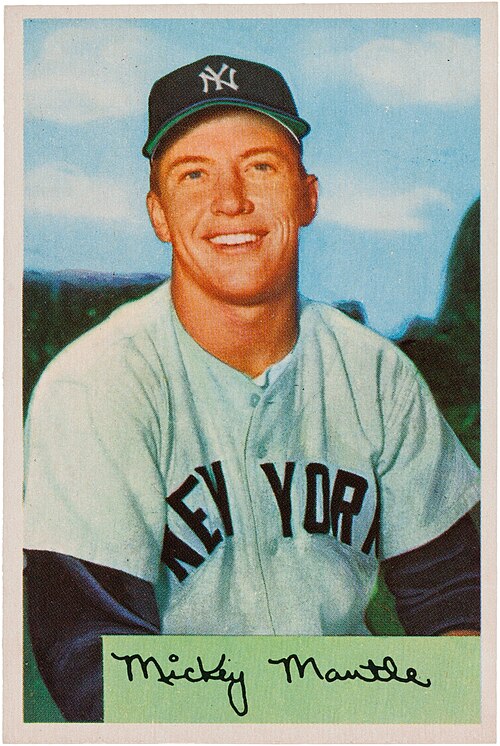
Mickey Mantle died in 1995 at 63 of liver cancer. Earlier that year doctors had found his liver severely damaged by both alcohol-induced cirrhosis and hepatitis C. He received a liver transplant on June 8, but by late July the cancer had spread throughout his body. His case brings two of the main causes of cirrhosis together in one person.
Gregg Allman died in 2017 at 69 of complications of liver cancer. He had been diagnosed with hepatitis C in 2007, tumors were found in his liver the next year, and he had a transplant in 2010 before the cancer returned.
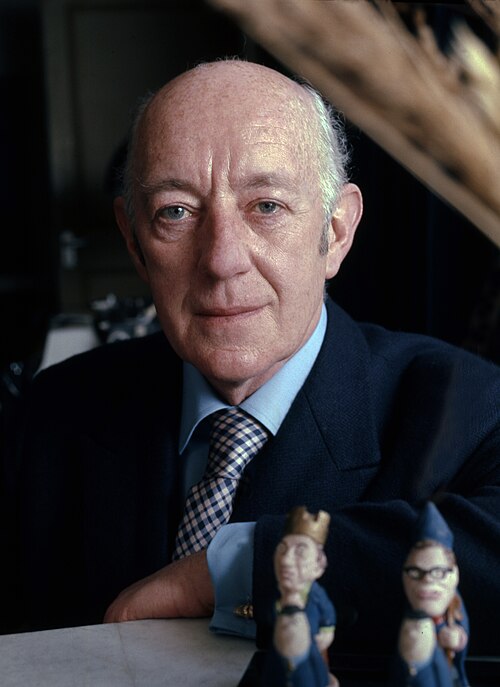
David Bowie died of liver cancer in 2016, two days after turning 69. He had been diagnosed about 18 months earlier and kept it private. His biography does not tie it to any particular cause, and it would be wrong to guess.
Ludwig van Beethoven died in 1827 at 56, the earliest death on this list. His autopsy found a shrunken, cirrhotic liver. A 2023 DNA study of his hair found inherited risk factors for liver disease and signs of a hepatitis B infection, though the exact cause is still debated, a reminder of how often several causes stack up.
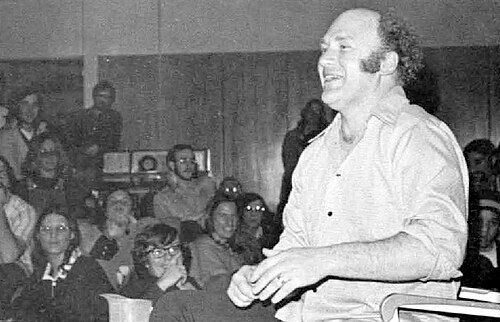
Across the notable people on this list, the median age at death is 64. Read that with care. Notable people are not a representative sample, and causes of death are recorded from Wikidata, which can be incomplete or merge cirrhosis, liver failure and liver cancer loosely. History matters as well: a 19th-century death from liver disease tells us little about risk today, when vaccines, antiviral cures and transplants exist.
The short version
- Most cirrhosis and liver cancer comes from three causes: alcohol, hepatitis B or C, and fatty liver disease linked to weight and diabetes.
- Drinking less, or not at all, lowers risk at every stage, and alcohol-related fatty liver can reverse fully if drinking stops.
- Hepatitis B is preventable with a vaccine; hepatitis C is curable in more than 95% of people with pills.
- The USPSTF recommends a hepatitis C test for adults 18 to 79, and hepatitis B testing for people at higher risk.
- Vomiting blood, black stools or sudden confusion in someone with liver disease is an emergency.
Sources
- World Health Organization: Hepatitis B fact sheet - global burden, transmission, vaccine and treatment.
- World Health Organization: Hepatitis C fact sheet - global burden, transmission, cirrhosis risk, cure rate.
- American Cancer Society: Liver Cancer Risk Factors - cirrhosis, hepatitis, alcohol, obesity, diabetes, smoking, aflatoxin.
- American Cancer Society: Key Statistics About Liver Cancer - 2026 US estimates, trends, global pattern.
- American Cancer Society: Can Liver Cancer Be Prevented? - vaccination, hepatitis testing and treatment.
- American Cancer Society: Can Liver Cancer Be Found Early? - surveillance for higher-risk groups.
- National Cancer Institute: Liver Cancer Causes, Risk Factors, and Prevention - global rank, regional causes, alcohol and cirrhosis, smoking.
- NIDDK: Symptoms and Causes of Cirrhosis - main causes and symptoms of cirrhosis.
- NIDDK: Definition and Facts of NAFLD and NASH - prevalence and who is at risk.
- NIAAA: Medical Complications of Alcohol - alcohol-related liver disease, dose, women, deaths, effect of stopping.
- Ramkissoon and Shah, Alcohol Research: Current Reviews (via PMC): Alcohol Use Disorder and Alcohol-Associated Liver Disease - progression rates in heavy drinkers.
- Fernandes, World Journal of Hepatology (via PMC): Myths and facts about diet in MASLD - weight loss targets, lean fatty liver, detox products, alcohol.
- Godos et al., Nutrients (via PMC): Coffee Consumption and Risk of Biliary Tract Cancers and Liver Cancer - coffee and liver cancer meta-analysis.
- Journal of Clinical and Translational Research (via PMC): Mechanisms of acetaminophen hepatotoxicity - acetaminophen as the top cause of US acute liver failure.
- NHS: Cirrhosis - causes, alcohol units, symptoms, urgent and emergency signs.
- CDC: Moderate Alcohol Use - US drinking limits; no alcohol with some liver diseases.
- CDC: Hepatitis B Vaccination - who should be vaccinated.
- USPSTF: Hepatitis C Virus Infection Screening - adults 18 to 79.
- USPSTF: Hepatitis B Virus Infection Screening - higher-risk teens and adults.
How this was sourced
This article summarizes guidance from public health authorities and findings from peer-reviewed research, each linked at the claim it supports. Details about named people come from their public biographies, and our own figures come from the causes of death recorded for the notable people listed on this page. It is not medical advice. We are not doctors, and nothing here can tell you your own risk. Talk to a doctor about your own liver health, alcohol use or hepatitis testing.