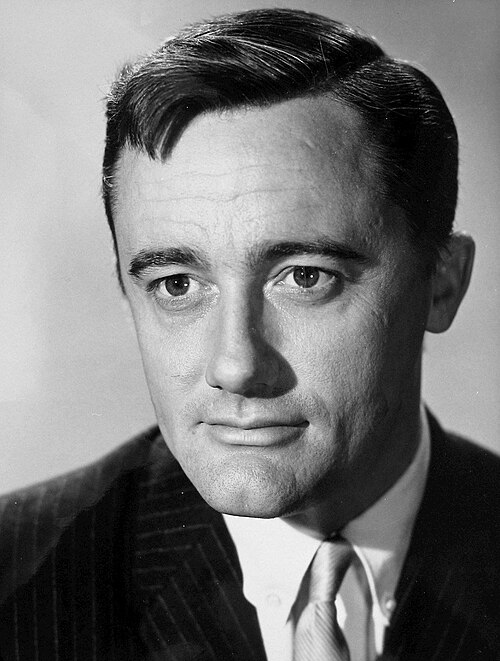
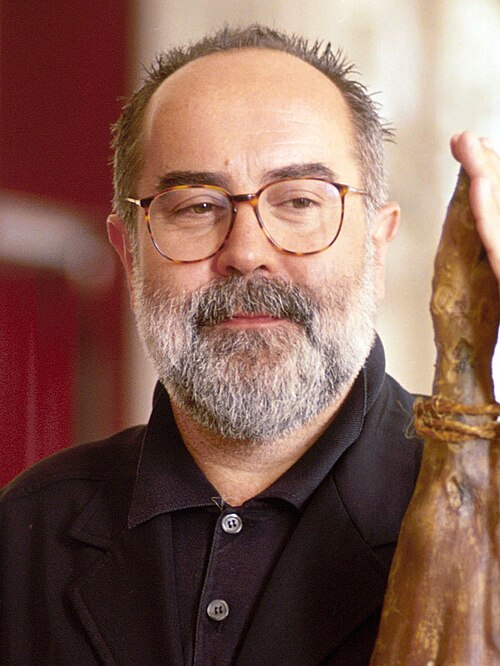
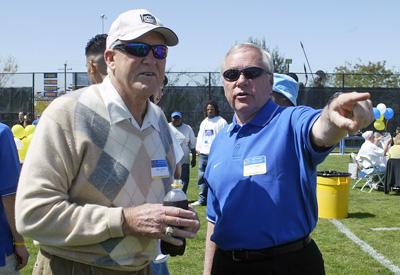
Leukemia is a group of cancers of the blood-forming cells, in which abnormal white blood cells crowd out the healthy ones in the bone marrow and blood. In the United States, the National Cancer Institute estimates 67,790 new cases and 23,910 deaths in 2026, which makes it 3.8% of all cancer deaths. Outcomes have been improving: the same data show death rates falling by an average of 1.8% a year from 2015 to 2024.
Leukemia is often thought of as a childhood cancer, and it is the most common cancer in children under 15, according to the National Cancer Institute. But most cases and most deaths are in older adults. The NCI puts the median age at diagnosis at 68 and the median age at death at 76.
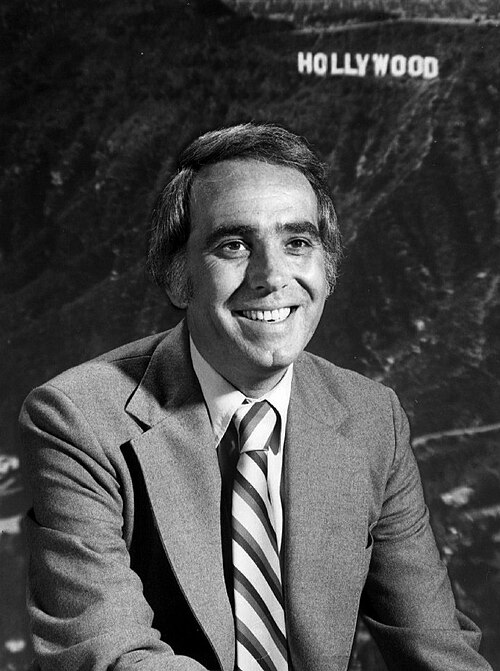
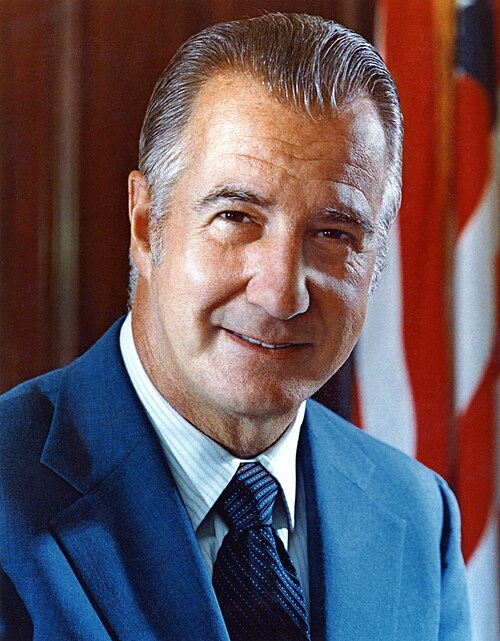
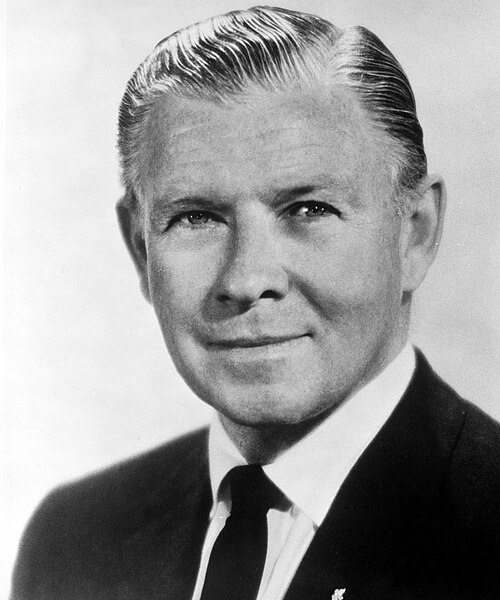
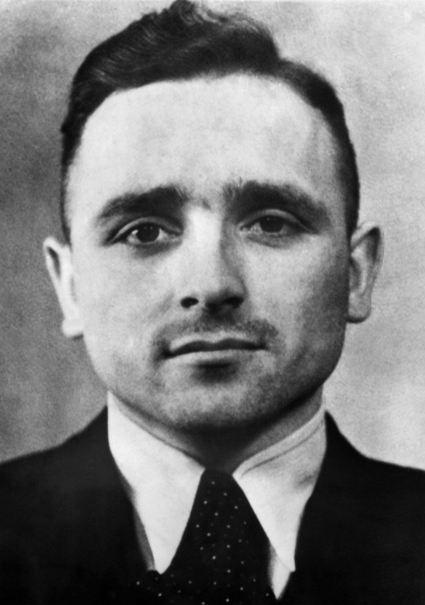
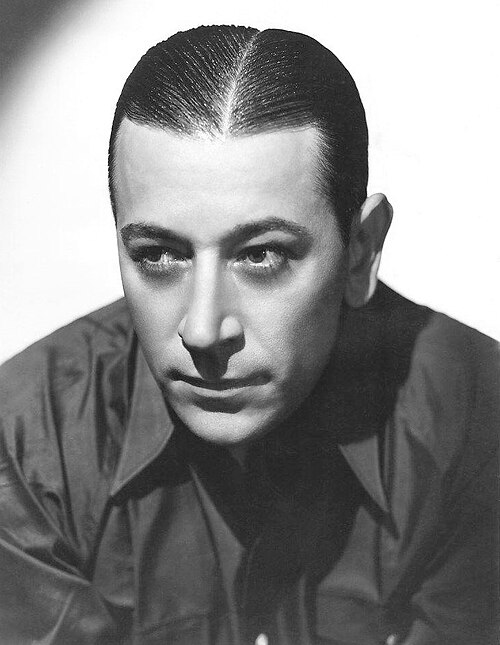
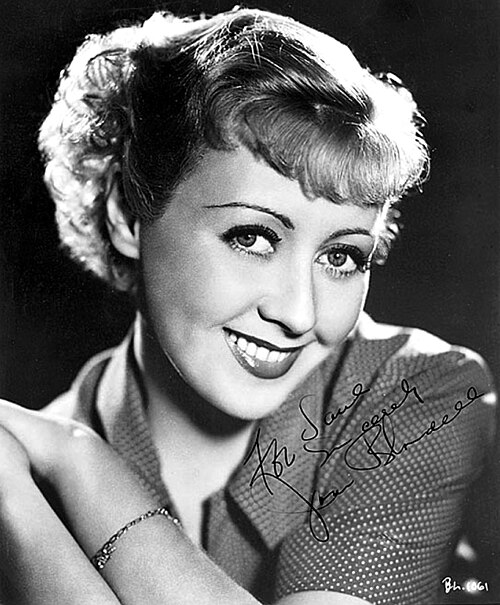
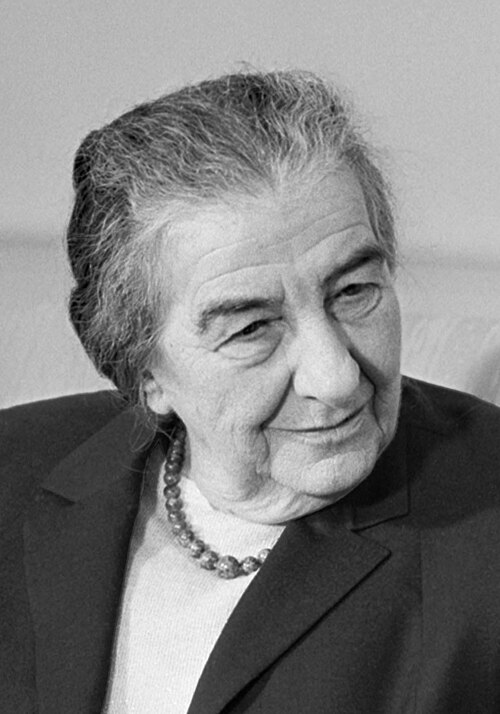
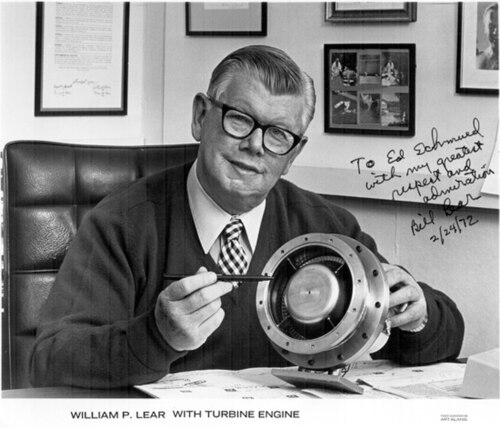
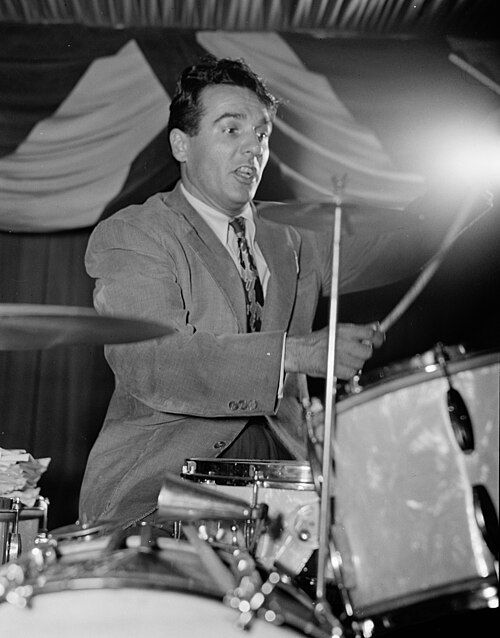
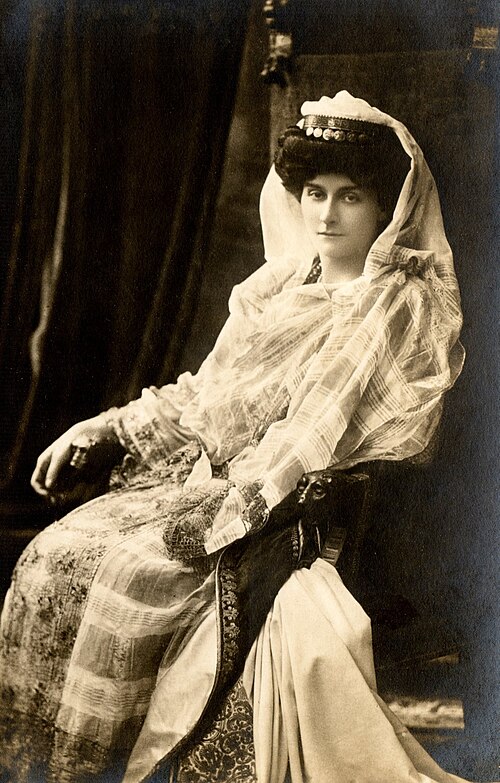
The people on the list above fit that pattern. Most died in their late 60s and 70s, and the list leans male, with more than two men for every woman. That matches the population figures: the NCI reports a death rate of 7.6 per 100,000 in men against 4.3 in women.
What is leukemia?
Blood cells are made in the bone marrow, the soft tissue inside bones. In leukemia, a blood-forming cell picks up DNA changes that let it multiply out of control. The abnormal cells fill the marrow and spill into the blood, leaving less room for the red cells that carry oxygen, the normal white cells that fight infection, and the platelets that stop bleeding. That is why the common symptoms are tiredness, infections and easy bruising.
Leukemia is not one disease. The NCI groups it by which kind of blood cell turns cancerous and whether it grows fast or slowly. The four main types are:
- Acute myeloid leukemia (AML), fast-growing and mostly a disease of older adults. The American Cancer Society says it accounts for about 1 in 3 adult leukemias and is diagnosed at an average age of about 69.
- Acute lymphoblastic leukemia (ALL), the main leukemia of childhood, which the ACS says is more likely in young children and in adults over 50.
- Chronic lymphocytic leukemia (CLL), slow-growing, with an average age at diagnosis of around 70 and rarely seen before 40.
- Chronic myeloid leukemia (CML), where the ACS reports that about 7 out of 10 people are 55 or older at diagnosis.
The type matters for everything that follows. Risk factors, warning signs and treatment differ, and a factor that clearly raises the risk of one type can have no proven link to another.
Which risk factors can't be changed?
Most leukemia arises without any cause that could have been avoided. The American Cancer Society states plainly that it is not clear what causes most cases of AML, and the NHS says the same of chronic lymphocytic leukaemia. For children, the ACS goes further: most children with leukemia have no known risk factors, and there is nothing they or their parents could have done to prevent it.
Age
Age is the largest single factor for adult leukemias. The NHS lists being 60 or older as a risk factor for AML, and says CLL is very rare in people under 40. Over a lifetime, the NCI estimates that about 1.6% of people will be diagnosed with leukemia.
Sex
Men are diagnosed more often. The NCI's age-adjusted rate of new cases is 18.5 per 100,000 in men and 11.5 in women. The ACS notes the male excess for AML, CLL and CML and says for each that the reason is not clear.
Family history and inherited conditions
Family history matters most for CLL. The ACS says parents, siblings and children of people with CLL are at higher risk, and the NHS lists it as one of only three known risk factors for CLL. For CML, by contrast, the ACS says a family history is not linked with higher risk.
Some inherited syndromes raise the risk of acute leukemia. The ACS names Down syndrome, Fanconi anemia, Bloom syndrome and Li-Fraumeni syndrome among them. Identical twins are a special case: the ACS says a twin whose sibling developed AML before age one carries a very high risk. The World Health Organization estimates that roughly 10% of all children with cancer have a genetic predisposition.
Ancestry
CLL is more common in White people in the US, and more common in North America and Europe than in Asia. The ACS says experts think this is more likely due to genetics than to environment.
Other blood disorders
Certain marrow conditions can turn into leukemia. The ACS says myelodysplastic syndrome can progress to AML, and that a condition called monoclonal B-cell lymphocytosis is often treated as a precursor of CLL, though only a small share of people with it go on to develop CLL. The NHS adds autoimmune conditions such as rheumatoid arthritis to the list for AML.
Which risk factors can be changed?
This list is short, and honest sources keep it short. The ACS notes that many people with AML have no risk factors they could change. The factors below are real, but together they explain a minority of cases.
Smoking
Smoking is mostly thought of as a lung cancer cause, but it reaches the bone marrow too. The ACS calls it the only proven lifestyle-related risk factor for AML and by far the biggest controllable one.
The added risk is moderate, not the many-fold jump seen for lung cancer. A 2015 meta-analysis of 25 studies in PLoS One found that current smokers had about 1.45 times the odds of AML or myelodysplastic syndrome compared with people who had never smoked. A Minnesota case-control study of 414 AML patients found that people currently smoking a pack or more a day had about twice the odds of AML, and that risk fell with time after quitting until, after 30 or more years, it was close to that of never-smokers.
For CML, the ACS says risk does not seem to be affected by smoking, and it lists smoking as unproven for ALL.
Benzene
Benzene is the best-documented chemical cause. The ACS reports that the International Agency for Research on Cancer classes it as carcinogenic to humans, based on sufficient evidence that it causes AML. The CDC says long-term exposure to high levels in the air can cause leukemia and can damage the bone marrow.
The heaviest exposures are in the workplace: the ACS lists rubber, oil refining, chemical, shoe manufacturing and gasoline-related industries, and the NHS mentions oil refineries. For most people, the biggest source is tobacco. The ACS says smoking and secondhand smoke account for about half of benzene exposure in the United States, which is one reason smoking shows up as an AML risk. Even so, the ACS notes that workplace and environmental chemicals seem to explain only a small share of leukemias.
Other chemicals
The ACS reports that heavy workplace exposure to formaldehyde has been linked to AML in some studies. For CLL, some studies tie Agent Orange, the herbicide used in the Vietnam War, to higher risk, while farming and long-term pesticide exposure may be linked, though more research is needed.
High-dose radiation
Ionizing radiation can damage DNA, as the NCI explains. The ACS says high-dose exposure, such as from an atomic bomb blast or a nuclear reactor accident, raises the risk of CML, and that high-level radiation is a risk factor for the acute leukemias of childhood. Ordinary scans are a different matter: the ACS says the risk from low-dose imaging is not well defined, and the NCI describes the cancer risks from such procedures as very small, with benefits almost always greater.
Past cancer treatment
Some chemotherapy drugs, notably alkylating agents and topoisomerase II inhibitors, are linked to a higher risk of AML, according to the ACS. The ACS explains that doctors weigh the benefit of treating a life-threatening cancer against a small chance of leukemia years later.
Certain viruses
The ACS says a virus called HTLV-1 can cause a rare T-cell form of ALL, mostly seen in Japan and the Caribbean, and that Epstein-Barr virus has been linked to a form of ALL, mainly in Africa.
What does not cause leukemia?
Power lines and cell phones
Worry about power lines goes back to a 1979 study. The NCI's review says later research was mixed and most studies found no link, or one only at very high magnetic field levels, and few children reach those levels: under 1% in a pooled analysis of nine studies, a little over 3% in a meta-analysis of 15 studies, and under 0.5% in seven studies published after 2000. It concludes there is no consistent evidence tying these fields to childhood cancer. The NCI's myths page answers both power lines and cell phones the same way: no, according to the best studies so far, because that kind of energy does not damage genes. The ACS lists electromagnetic fields as not conclusively linked to AML.
Hair dye
A meta-analysis of 20 studies found a small association with leukemia that was not statistically significant, and a large cohort study found no link at all, the NCI reports.
Catching it from someone
Leukemia is not contagious. The NCI says cancer does not spread easily between people, the rare exception being organ or tissue transplants.
Something the parents did
Parents of children with leukemia often wonder what they missed. The ACS says lifestyle factors such as tobacco, alcohol, diet and weight are not known to play a major role in childhood cancers, and that a parent having adult leukemia does not seem to raise a child's risk. The evidence on parental smoking is mixed: a 2019 meta-analysis of 19 studies found no link between maternal smoking and childhood ALL, and a modest one with paternal smoking.
Can it be caught early?
There is no screening test for leukemia in the general population. The ACS says no screening test has been shown to help find AML early, and none is widely recommended for CLL.
Chronic leukemias are often found by chance. The ACS says CLL is frequently picked up when a routine blood test comes back abnormal, and the NHS notes that many people with CLL have no symptoms. People at known higher risk, such as those with Down syndrome, certain blood disorders or past chemotherapy, may have regular checkups that include blood counts.
What are the warning signs?
The NHS lists these symptoms of AML:
- extreme tiredness or weakness, and looking pale
- shortness of breath
- bleeding or bruising easily or for no clear reason
- getting ill often or taking a long time to recover
- fever
- bone or joint pain
- a swollen or uncomfortable tummy, or swollen glands in the neck, armpits or groin
For CLL, the NHS adds weight loss, night sweats and a rash of small bruises that does not fade when a glass is rolled over it. The NHS advises asking for an urgent GP appointment or calling NHS 111 with symptoms of AML. These symptoms have many common causes and do not mean leukemia on their own.
What do the famous cases show?
Rishi Kapoor, the Hindi film star, died in 2020 at 67. Wikipedia records that he was diagnosed in 2018, treated in New York for about a year, and died from a recurrence of leukemia.
Alan Shepard, the first American in space, died in 1998 at 74 of complications of chronic lymphocytic leukemia, according to Wikipedia, two years after his diagnosis. That age is close to the typical CLL patient.
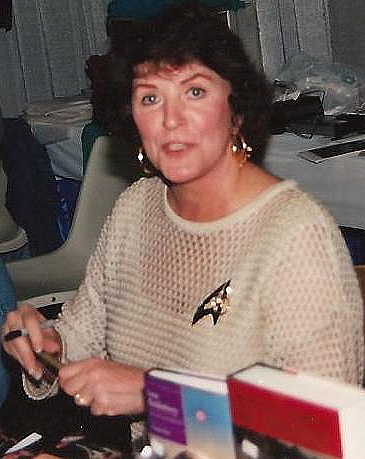
Majel Barrett of Star Trek died of leukemia in 2008 at 76. Etta James died in 2012 at 73. Wikipedia says she had been diagnosed with leukemia and also had dementia, but it does not state a cause of death.
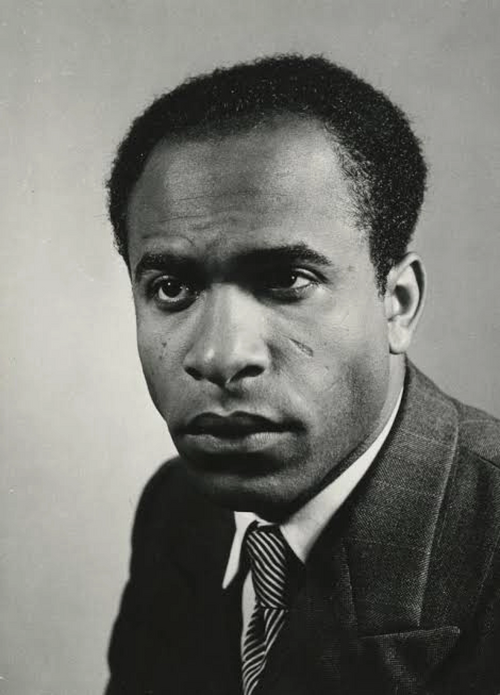
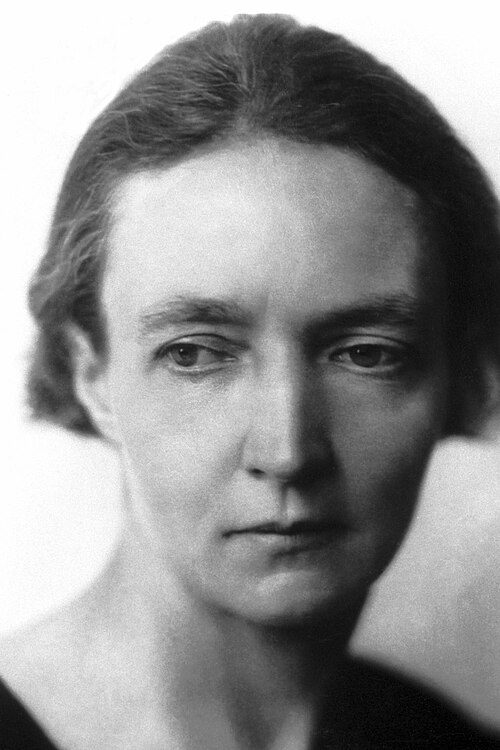
Two older cases stand apart. Irene Joliot-Curie, the Nobel chemist, died in 1956 at 58 of acute leukemia, which Wikipedia says was widely suspected to stem from years of work with X-rays and radioactive substances, including polonium. Her case points to long-term radiation exposure as a suspected, not proven, cause, and to how unprotected early radiation science was. Frantz Fanon died in 1961 at 36; Wikipedia says he had begun leukemia treatment at the NIH too late and died of double pneumonia.
Among the notable people on this list, the median age at death is 73, with half dying between about 65 and 78. That is a little younger than the NCI's national median of 76, but close. Notable people are not a representative sample, causes of death are taken from Wikidata and can be incomplete or loosely recorded (most entries do not say which type of leukemia), and the list stretches back to 1926, when treatment was far weaker than it is today.
The short version
- Most leukemia has no known cause, and most people who get it did nothing to bring it on.
- Age and male sex are the strongest risk factors, and neither can be changed.
- Smoking is the main lifestyle risk for AML, and quitting lowers risk over time.
- Long-term, heavy benzene exposure and high-dose radiation are proven causes; ordinary scans carry very small risk.
- There is no screening test; the NHS advises an urgent GP appointment for symptoms of AML such as unexplained tiredness, bruising, infections or fever.
Sources
- National Cancer Institute SEER: Cancer Stat Facts, Leukemia - US cases, deaths, median ages, sex differences, lifetime risk, trends.
- National Cancer Institute: Leukemia - types of leukemia; most common cancer in children under 15.
- National Cancer Institute: Radiation - ionizing radiation and DNA damage; small risk from medical imaging.
- National Cancer Institute: Electromagnetic Fields and Cancer - power lines and childhood leukemia evidence.
- National Cancer Institute: Common Cancer Myths and Misconceptions - contagion, power lines, cell phones.
- National Cancer Institute: Hair Dyes and Cancer Risk - hair dye and leukemia studies.
- American Cancer Society: Risk Factors for AML - smoking, benzene, chemotherapy, radiation, syndromes, unproven factors.
- American Cancer Society: Can AML Be Prevented? - unknown causes, smoking as the main controllable factor.
- American Cancer Society: Key Statistics for AML - share of adult leukemias, average age.
- American Cancer Society: Can AML Be Found Early? - no screening test.
- American Cancer Society: Risk Factors for CLL - family history, Agent Orange, ancestry, MBL.
- American Cancer Society: Key Statistics for CLL - average age at diagnosis.
- American Cancer Society: Can CLL Be Found Early? - often found on routine blood tests.
- American Cancer Society: Risk Factors for CML - radiation; no link to smoking or family history.
- American Cancer Society: Risk Factors for ALL - age pattern, HTLV-1, EBV, unproven factors.
- American Cancer Society: Risk Factors for Childhood Leukemia - most cases have no known risk factor.
- American Cancer Society: Benzene and Cancer Risk - IARC classification, sources, share from smoking.
- CDC: Benzene Chemical Fact Sheet - long-term exposure and leukemia.
- NHS: Causes of Acute Myeloid Leukaemia - age, benzene, smoking, autoimmune conditions.
- NHS: Symptoms of Acute Myeloid Leukaemia - warning signs and urgent advice.
- NHS: Causes of Chronic Lymphocytic Leukaemia - age, sex, family history.
- NHS: Symptoms of Chronic Lymphocytic Leukaemia - symptoms; many people have none.
- World Health Organization: Childhood Cancer - genetic predisposition in about 10% of children with cancer.
- PLoS One (2015): Cigarette Smoking and the Risk of Adult Myeloid Disease, a Meta-Analysis - pooled odds for current smokers.
- Cancer Epidemiology (2013): Risk of Adult Acute and Chronic Myeloid Leukemia with Smoking and Cessation - heavy smoking and risk after quitting.
- Medicine (2019): Tobacco Smoke Exposure and Childhood ALL and AML, a Meta-Analysis - parental smoking evidence.
How this was sourced
We summarized public health authorities and peer-reviewed research, linking each claim to the page it came from. Details about the people named come from their Wikipedia pages and our own records. This page is not medical advice and cannot tell you your own risk; talk to a doctor about your health, family history and any symptoms that worry you.