Hypothermia is a dangerous drop in the body's core temperature, defined by MedlinePlus as below 95°F (35°C), that happens when the body loses heat faster than it can make it. It slows the heart, breathing and brain, and MedlinePlus states plainly that hypothermia can be fatal. A 2021 review in the International Journal of Environmental Research and Public Health, citing a 2008 study of 1995 to 2004 data, puts US deaths from primary hypothermia at at least 1,500 a year, and the CDC counted 13,419 US deaths in which hypothermia was recorded from 2003 to 2013.
Most of those deaths are among older adults, people who have been drinking, and people without enough heat or shelter. The list above looks different. Its median age at death is just 39, because most of the notable people on it were mountaineers who died high on Everest, where cold, exhaustion and thin air combine. That makes the list a picture of the most extreme exposure there is, not of everyday risk.
What is hypothermia?
The body defends its core temperature by shivering and by narrowing blood vessels in the skin. When cold, wet or wind strip heat away faster than the body can make it, which is how MedlinePlus describes the cause, core temperature falls. A review endorsed by the International Commission for Mountain Emergency Medicine sorts accidental hypothermia into stages: mild, at about 35 to 32°C, when the person is awake and shivering; moderate, at about 32 to 28°C, when consciousness is impaired; and severe, below 28°C, when the person is unconscious. Shivering, MedlinePlus notes, may stop at very low temperatures, so a person who has stopped shivering is not necessarily getting better.
Without treatment, falling temperature leads to drowsiness, slowed breathing and heart rate, then cardiac arrest, shock and coma. Cold also strains the heart. The CDC notes that cold is linked to excess deaths from heart disease and stroke, because it narrows blood vessels and thickens the blood in ways that can rupture arterial plaques and cause clots.
Which risk factors can't be changed?
Older age
Age is the strongest fixed risk. The CDC says older people have impaired heat generation and often several other conditions that raise the risk of death, and an earlier CDC report notes a lower resting metabolic rate and less ability to exert themselves to produce heat. In the US in 1999, 60% of people whose deaths were attributed to excessive natural cold were over 65. From 2003 to 2013, the CDC put the average rate among people 65 and older at 1.8 per 100,000 for men and 1.1 for women, against an all-ages rate of 0.3 to 0.5.
Very young age
Babies and small children lose heat quickly. The mountain medicine review says children cool faster than adults because they have less body fat and more skin surface for their weight, and the CDC lists babies sleeping in cold bedrooms among the groups most at risk.
Sex
Men die of hypothermia more often than women. They made up 9,050 of the 13,419 US deaths, or 67%, from 2003 to 2013.
Chronic illness
MedlinePlus lists chronic illness, especially heart or circulation problems, poor nutrition, exhaustion and some prescription medicines as risk factors. The CDC adds an underactive thyroid, malnutrition and altered mental status.
Which risk factors can be changed?
Alcohol and drugs
Alcohol is one of the most common threads in hypothermia deaths. The CDC explains that alcohol and other drugs blunt the body's response to cold and impair judgment, so people stay out longer than they should. Alcohol also interferes with the narrowing of blood vessels in the skin that holds heat in, and it can lower blood sugar, the CDC says. Nationally, 10% of hypothermia deaths from 2003 to 2013 listed alcohol or drug poisoning as a contributing cause. In a series of 27 deaths in Wisconsin in early 2014, six of the nine people tested were positive for alcohol. The 2021 review adds that injured and intoxicated people cool quickly even in subtropical regions.
A cold home
Hypothermia is often an indoor problem. In a nationwide Japanese study of 1,194 patients treated for accidental hypothermia, 73.4% were found indoors, the median age was 79, and 24.5% died within 30 days. In the Wisconsin series, 15 of the 27 people who died lived alone, and some of those who died indoors had furnaces that were unused or broken. The CDC names older adults without enough food, clothing or heating as a high-risk group.
The NHS advises heating the rooms a person uses most, such as the living room and bedroom, to at least 18°C, and lists people aged 65 and older, children under 5, people on low incomes and people with long-term health conditions as most at risk from cold. It also encourages keeping in touch with older neighbors and relatives in cold weather. The CDC's advice on heating a home adds a warning to avoid carbon monoxide poisoning.
Clothing, wet and wind
Wet clothing and wind speed up heat loss sharply. The CDC warns that hypothermia can happen even above 40°F if a person is chilled by rain, sweat or cold water. MedlinePlus recommends mittens rather than gloves, layered wind-proof and water-resistant clothing, two pairs of non-cotton socks, and a hat and scarf that cover the ears. The CDC suggests an outer layer that is tightly woven and wind resistant over inner layers of wool, silk or polypropylene, not cotton.
Cold water
The NHS lists falling into cold water as a common cause, and the 2021 review notes that a person in water below 15°C can go into cardiac arrest after 30 minutes.
Mountains, outdoor sports and outdoor work
Climbers, skiers, hikers and outdoor workers face cold, wet, fatigue and, at altitude, low oxygen all at once. The 2021 review lists cold and wet conditions, fatigue, exhaustion, and high altitude with low oxygen as factors that set people up for hypothermia, and MedlinePlus names heavy exertion without enough food or drink in cold weather as a cause. On the highest peaks, cold is only one of the dangers. A BMJ study of 23,995 climbers on 39,038 Himalayan climbs from 1970 to 2010 found that about 1.5% of climbs ended in death; falls caused about 42% of those deaths, avalanches 29%, and exposure about 10%. The death rate per climb fell from 3.0% in the 1970s to 0.9% in the 2000s.
For outdoor workers, NIOSH advises employers to schedule cold jobs for warmer times, use relief workers, and provide warm drinks and warm break areas, and workers to wear several loose layers, a hat, and waterproof insulated boots.
What does not help, or is not true?
"A drink will warm you up"
It will not. The CDC says alcohol gives a brief feeling of warmth while it interferes with the body's heat-saving response. The NHS, CDC and MedlinePlus all say not to give alcohol to someone who may have hypothermia.
"Rub the arms and legs, or put them in a hot bath"
The NHS advises against a hot bath, hot water bottle or heat lamp, and against rubbing the arms, legs, hands or feet. MedlinePlus likewise warns against direct heat such as hot water, a heating pad or a heat lamp. The mountain medicine review advises handling a cold person gently, because rough movement can trigger heart rhythm problems.
"It has to be freezing"
It does not. The CDC says hypothermia can occur at temperatures above 40°F in a person who is wet or chilled, and the 2021 review notes that mild and moderate cases occur in every season in cold and temperate climates.
"If they are cold and not moving, it is too late"
Not necessarily. MedlinePlus warns rescuers not to assume that someone found motionless in the cold is already dead. The guiding rule in mountain medicine is "No one is dead until warm and dead", and the review reports a person successfully resuscitated from an accidental hypothermia core temperature of 13.7°C. People in hypothermic cardiac arrest can have better chances of survival and good brain function than people whose hearts stop at normal temperature, the 2021 review says.
Can it be caught early?
There is no screening test; hypothermia is caught by knowing the signs, especially in older people living alone and in anyone who has been drinking in the cold. The CDC says to seek medical care at once if a person's temperature is below 95 degrees, and an older CDC report adds that persistent shivering is always a signal to go back indoors.
What are the warning signs?
Hypothermia dulls thinking, so the person affected may not notice it. The CDC, NHS and MedlinePlus list these signs:
- shivering, which may stop as the person gets colder
- confusion, memory loss, tiredness or drowsiness
- slurred speech and fumbling hands
- pale, cold skin, which may look blue or grey (on dark skin, the NHS says the change may be easier to see on the palms and soles)
- slow breathing and a slow heartbeat
- in babies: cold, bright red skin, very low energy, floppiness, or refusing feeds
The signs come from the CDC, the NHS and MedlinePlus. The CDC calls hypothermia a medical emergency. Call 911 (US), 999 (UK) or 112 (EU) at once.
While help is on the way, the NHS and CDC advise moving the person somewhere warm and sheltered, removing wet clothing, and wrapping them in blankets with the head covered; warming the chest, neck, head and groin first; giving a warm, non-alcoholic drink and some sugary food only if they are fully awake; and staying with them. If the person is unconscious and not breathing or has no pulse, the CDC advises CPR, even if they appear dead, continued until they respond or help arrives.
What do the famous cases show?
Three of the people on this list died high on Everest.
- Rob Hall, who led a 1996 Everest expedition, died of hypothermia on the mountain that year at 35; his body remains just below the South Summit.
- David Sharp, an English climber attempting Everest without supplementary oxygen, died near the summit in 2006 at 34. His English Wikipedia page gives the cause as hypothermia or cerebral oedema, a form of altitude sickness, which shows how hard it can be to separate cold from altitude at that height.
- Hannelore Schmatz, the German mountaineer, reached the summit in 1979 but collapsed and died on the descent at 39, after a night in the open high on the mountain. Her Wikipedia page does not name a medical cause.
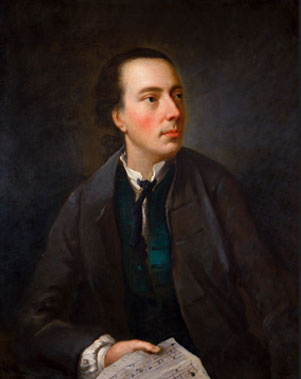
These deaths say little about hypothermia in daily life, where the typical victim is older, alone at home or outdoors after drinking. The median age at death among the notable people on this list is 39, and four of the five are men. One entry also shows the limits of the data: the composer Charles Avison, who died in 1770, is recorded with hypothermia, but his English Wikipedia page says he died of unknown causes.
A caveat. Notable people are not a representative sample, causes of death on this site come from Wikidata and can be incomplete or loose, and history matters: an 18th-century record says little about risk now.
The short version
- Most hypothermia deaths are among older adults, people who have been drinking, and people without enough heat or shelter, not climbers.
- Alcohol makes it worse, not better: it blunts the body's defenses and judgment.
- A cold home is a real risk; the NHS advises heating rooms in use to at least 18°C, especially for people 65 and older.
- Wet clothing, wind and cold water speed heat loss; layers that block wind and water, not cotton, help.
- The CDC, NHS and MedlinePlus treat shivering, confusion, slurred speech and drowsiness in the cold as an emergency; they advise calling for help, gentle warming and no alcohol, and MedlinePlus warns not to assume a cold, motionless person is dead.
Sources
- MedlinePlus: Hypothermia - definition, causes, risk factors, symptoms, first aid, what not to do, prevention.
- CDC: Preventing hypothermia - groups at risk, warning signs in adults and babies, what to do, temperature above 40°F.
- NHS: Hypothermia - symptoms, babies, first aid while waiting, what not to do, causes.
- NHS: Keep warm, keep well - heating rooms to at least 18°C, who is most at risk from cold.
- CDC MMWR: Hypothermia-related deaths, Wisconsin, 2014, and United States, 2003-2013 - national deaths, sex and age rates, alcohol, living alone.
- CDC MMWR: Hypothermia-related deaths, Philadelphia, 2001, and United States, 1999 - older adults, alcohol's effects, cold and heart disease, clothing advice.
- International Journal of Environmental Research and Public Health: Accidental hypothermia, 2021 update - US deaths, intoxication, mountain factors, cold water, outcomes.
- Accidental hypothermia, an update (endorsed by ICAR MEDCOM) - stages, children, gentle handling, "warm and dead", lowest survived temperature.
- Acute Medicine and Surgery: Accidental hypothermia, a nationwide observational study in Japan - indoor share, median age, 30-day mortality.
- BMJ: Effects of experience and commercialisation on survival in Himalayan mountaineering - death rates and causes on Himalayan climbs.
- CDC NIOSH: About cold stress - outdoor workers and prevention at work.
How this was sourced
This article summarizes what public health authorities and peer-reviewed research say, and we link each claim to the page it came from. It is not medical advice: in an emergency call your local emergency number, and talk to a doctor about your own risk from cold.