A fall becomes deadly when the impact, usually to the head or the hip, causes an injury the body cannot recover from. The World Health Organization estimates that falls killed about 842,000 people worldwide in 2023, making them the second-leading cause of unintentional injury death after road injuries. About 71% of those deaths were in people aged 60 or older.
In the United States, the CDC says falls are the leading cause of injury-related death among adults 65 and older, and that they caused over 43,000 deaths in that age group in 2024. The rate is rising: the age-adjusted fall death rate among older adults went up 21%, from 64.7 to 78.4 per 100,000, between 2018 and 2024.
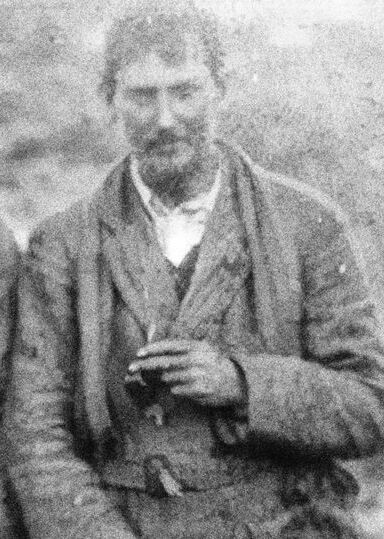
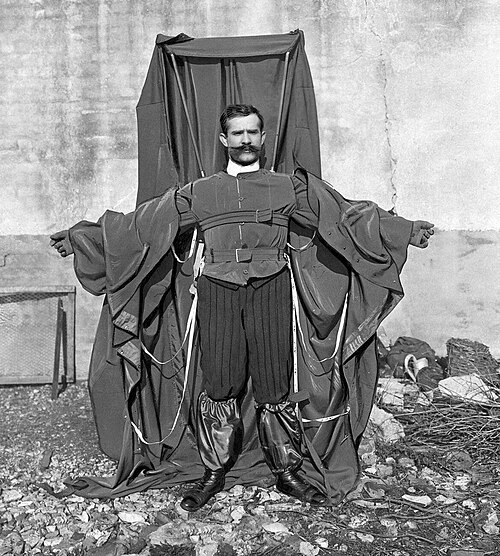
The list above has an unusual shape. Its median age at death is 46, far younger than the general pattern, because it mixes two very different groups: older people who fell at home in their 80s and 90s, and younger people, most of them men, who fell from a height, on a mountain, a building or a balcony. The quarter of the list that died youngest were 37 or under, while the oldest quarter were 82 or over. The advice for each group is different, so this article covers both.
Why do falls kill?
Most falls do not cause serious harm: the CDC says one in 10 falls leads to an injury that limits activity for a day or more or needs medical care. The ones that kill usually do so through a few routes. The first is head injury. The CDC says falls are the most common cause of traumatic brain injury in older adults, and blood thinners make it worse: anticoagulants and antiplatelet drugs may raise the risk of bleeding in the brain after a head injury, which can lead to more severe injury or death.
The second is the broken hip. The CDC reports that falls cause 83% of hip fracture deaths and 88% of emergency visits and hospital stays for hip fractures, and that nearly 319,000 older people are hospitalized for a hip fracture each year.
The third is the long lie. Someone who falls and cannot get up may lie on the floor for hours. The NHS advice for anyone who cannot get up includes keeping warm and shifting position about every 30 minutes while waiting for help.
Which risk factors can't be changed?
Age
Risk climbs steeply with age. A CDC report on 2021 deaths found a fall death rate of 19.0 per 100,000 at ages 65 to 74, 74.9 at 75 to 84, and 338.0 at 85 and older. Falls are common long before they are deadly: the CDC says more than one in four older people fall each year. The NHS links part of this to muscles that weaken with age.
Sex
Older men are more likely to die from a fall, older women more likely to break a hip. The 2021 CDC figures put the death rate at 91.4 per 100,000 for men and 68.3 for women, while women account for about 70% of hip fractures treated in emergency departments or hospitals. Worldwide, the WHO counts about 481,000 male and 361,000 female fall deaths in 2023.
Health conditions
Conditions that affect balance or movement raise risk. The NHS names arthritis, stroke, Parkinson's disease and dementia, along with low blood pressure, and the WHO adds neurological and cardiovascular conditions and anything that causes dizziness. These cannot always be changed, but they can often be treated or managed.
Where a person lives
Rates vary widely even within one country. In 2021, the older-adult fall death rate ranged from 30.7 per 100,000 in Alabama to 176.5 in Wisconsin, according to the CDC.
Which risk factors can be changed?
Leg strength and balance
Exercise has the strongest evidence of any single measure. A Cochrane review of 108 randomized trials with 23,407 participants found, with high certainty, that exercise cut the rate of falls among older people living at home by 23% and the number of people who fell by 15%. Balance and functional exercise, the kind that trains standing, stepping and getting up from a chair, did best; programs that combined several types, usually balance plus resistance training, probably lowered the fall rate by 34%. Tai chi may help too. The reviewers were uncertain about walking or dance programs on their own.
The US Preventive Services Task Force gives a grade B recommendation for exercise to prevent falls in adults 65 or older who live in the community and are at increased risk. The NHS recommends strength and balance activities at least twice a week.
Medicines
Some medicines cause dizziness or drowsiness. The CDC suggests asking a doctor or pharmacist to review every medicine, including over-the-counter ones, for these effects, and the WHO lists medicines that increase fall risk among the main risk factors. Medicines for anxiety, pain and sleep are a particular concern when combined with alcohol (see below).
Alcohol
Alcohol is a risk at any age and more so later in life. The National Institute on Alcohol Abuse and Alcoholism says older people are more sensitive to alcohol's effects on balance and on sleepiness, can run into problems at lower drinking amounts than younger people, and that sedating medicines for anxiety, pain or sleep taken with alcohol can further raise the risk of falls and injuries. The WHO lists alcohol and substance use as a fall risk factor for all ages, and the NHS advises limiting alcohol.
Eyesight and footwear
The CDC recommends an eye exam at least once a year and notes that bifocal or progressive lenses can throw off judgment of distance, so single-vision distance glasses may be safer for walking outside. The NHS adds regular hearing checks and recommends shoes or slippers that fit well, stay on and grip.
Hazards at home
Changing the home works best for people at higher risk. The WHO reports that home-hazard modification cut falls by 38% in higher-risk groups. The CDC's list includes removing trip hazards, grab bars by the toilet and in the shower, rails on both sides of stairs, and brighter lighting; the NHS adds non-slip mats and keeping clutter, loose wires and loose rugs out of walkways.
Weak bones
A fall that a younger person would shrug off can break an older bone. The CDC suggests screening for osteoporosis and treatment if needed.
Working at height
For working-age adults, the deadliest falls happen on the job. NIOSH, the CDC's workplace safety institute, reports that 805 US workers died from falls in 2020, and that construction experiences the highest frequency of fall-related deaths, mostly falls from heights. In 2024, construction workers accounted for 95% of all fatal falls from elevation, and about 70% of fatal construction falls happen at firms with 10 or fewer employees, where safety staff and resources are thin.
NIOSH calls removing work at height altogether the most effective strategy when possible; after that come guardrails, safe access systems, protective equipment and training in using it. Roofing, ladders, scaffolds and framing are where many deaths happen. Ladders alone kill more than 100 people in the US each year, and NIOSH says the leading cause of ladder injuries is a ladder sliding out at the base because it was set at the wrong angle, about 40% of cases; it recommends an angle of about 75 degrees and extending a ladder at least three feet above a roof edge.
The WHO also flags windows, stairs and balconies as hazards for children, and lists construction, agriculture and transport as the work sectors where height and slips are a danger.
What is not true about falls?
"Falling is just part of getting old"
Falls are common in old age, but the CDC says they do not have to be an inevitable part of aging and that proven methods reduce them, even in older adults. The Cochrane exercise findings above are the clearest example.
"Vitamin D pills prevent falls"
The evidence does not settle this. The US Preventive Services Task Force advised against vitamin D for fall prevention in its 2018 statement, and its 2024 update does not address vitamin D, which it plans to review separately. Bone health still matters, which is why the CDC and NHS mention it alongside, not instead of, exercise.
"A fall without symptoms is nothing to worry about"
Not for older adults. The CDC says a health care provider should check for signs of brain injury after a fall, especially in people taking blood thinners, and the NHS suggests seeing a GP after any fall.
Can it be caught early?
There is no screening test, but fall risk can be checked. The CDC's STEADI program, built for health care providers who treat older adults at risk of falling, has three steps: screen for fall risk, assess the risk factors that can be changed, and intervene with proven measures. The USPSTF recommends exercise for older adults at increased risk and says doctors should decide case by case whether to offer a multifactorial intervention, a broader assessment and plan, because routinely offering one gives only a small benefit.
What are the warning signs after a fall?
Head injuries in older adults can look mild at first. The CDC says to call 911 or go to an emergency department right away if, after a fall or blow to the head, a person:
- has a headache that gets worse and will not go away
- has weakness, numbness, loss of coordination, convulsions or seizures
- vomits again and again
- has slurred speech or acts unusually
- has one pupil larger than the other
- becomes confused, restless or agitated, or cannot recognize people or places
- loses consciousness, is very drowsy, or cannot be woken
Those signs come from the CDC's guidance for caregivers. The NHS also advises an emergency call if someone may have hurt their head, neck, back or hip, or cannot get up, and tells bystanders to help the person up carefully only if they can get up, and not to try to lift them. Call 911 (US), 999 (UK) or 112 (EU) at once.
What do the famous cases show?
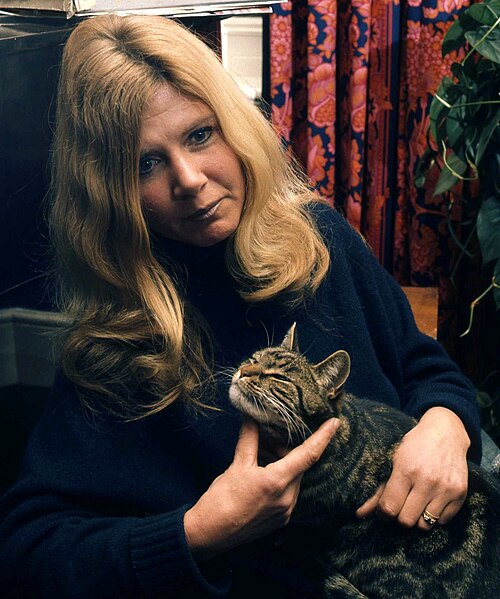
The oldest people on the list look like the national statistics: home falls late in life.
- Christopher Plummer, the Oscar-winning actor, died in 2021 at 91, about two and a half weeks after a fall in which he hit his head, according to his wife.
- Kurt Vonnegut, the novelist, died in 2007 at 84 of brain injuries from a fall at his home in Manhattan several weeks earlier.
- Ivana Trump, the businesswoman, died in 2022 at 73 of blunt impact injuries to the torso after falling down the stairs of her home.
- Jilly Cooper, the novelist, died in 2025 at 88 of a head injury from a fall at home the day before.
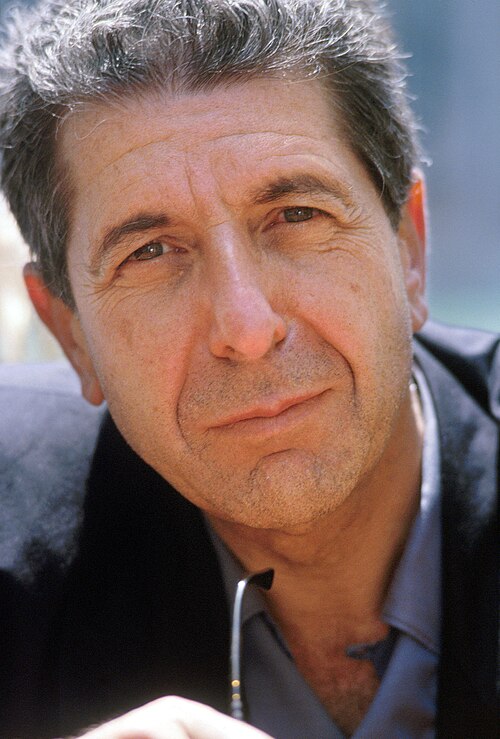
Three of the four deaths followed a blow to the head, in line with the CDC finding that falls are the top cause of brain injury in older adults. The rest of the list is younger and mostly male: people who died in falls from a height or in mountaineering accidents. Across the notable people on this list, the median age at death is 46, and men outnumber women 18 to 5.
A caveat. Notable people are not a representative sample, causes of death on this site come from Wikidata and can be loose or incomplete (some entries record a fall where the full story is more complicated), and history matters: a fall on a mountain in the 1920s says little about everyday risk now.
The short version
- Falls are the leading cause of injury death in Americans 65 and older, and the death rate is rising.
- Exercise that trains balance and strength cuts the fall rate in older adults by about a quarter, the best-proven measure.
- A medicine review, yearly eye checks, sensible footwear, less alcohol and fixing hazards at home all lower risk further.
- Any head injury after a fall in an older adult, especially on blood thinners, needs a medical check; worsening headache, vomiting, confusion or drowsiness need an emergency call.
- At work, the deadliest falls are from height in construction; avoiding work at height, guardrails and correctly set ladders are the main defenses.
Sources
- WHO: Falls fact sheet - global deaths, ranking, age and sex split, risk factors, exercise and home modification effects.
- CDC: About older adult fall prevention - 2024 deaths among adults 65 and older, falls not inevitable.
- CDC: Older adult falls data - leading cause of injury death at 65 and older, 2018 to 2024 rate increase.
- CDC: Facts about older adult falls - how often older adults fall, hip fractures, brain injury.
- CDC MMWR: Nonfatal and fatal falls among adults aged 65 and older, 2020-2021 - death rates by age, sex and state.
- CDC: Older adult fall prevention - medicine review, exercise, eye checks, home safety, osteoporosis, hip fractures in women.
- CDC: About STEADI - screen, assess and intervene framework for clinicians.
- USPSTF: Falls prevention in community-dwelling older adults - exercise grade B, multifactorial grade C, vitamin D not addressed.
- Cochrane: Exercise for preventing falls in older people living in the community - size of the effect by exercise type.
- NHS: Falls - causes, prevention, getting up after a fall, when to call 999.
- NIAAA: Aging and alcohol - alcohol, balance and sedating medicines in older adults.
- CDC: Information for older adults (Still Going Strong) - brain injury checks after falls, blood thinners and brain bleeding.
- CDC: Information for caregivers (Still Going Strong) - danger signs that need emergency care.
- CDC NIOSH: Falls in the workplace - 2020 worker fall deaths, construction.
- CDC NIOSH: Construction falls, progress and prevention (2026) - share of falls from elevation, small firms, prevention hierarchy.
- CDC NIOSH: Ladder safety - ladder deaths, setup angle.
How this was sourced
This article summarizes what public health authorities and peer-reviewed research say, and we link each claim to the page it came from. It is not medical or workplace safety advice: talk to a doctor about your own fall risk, and follow your employer's fall protection plan at work.