Diabetes is a long-term condition in which the body cannot make enough insulin, or cannot use the insulin it makes, so sugar builds up in the blood. It is now one of the most common chronic diseases on earth. The World Health Organization counts 830 million people living with diabetes in 2022, up from 200 million in 1990, and says it directly caused 1.6 million deaths in 2021, with another 530,000 deaths from kidney disease caused by diabetes.
It is rarely the only thing written on a death certificate. Diabetes kills slowly, through the heart, the kidneys, the nerves and the blood vessels, which is why many famous people who "died of diabetes" are described as dying of its complications. The WHO notes that 47% of diabetes deaths happen before age 70.
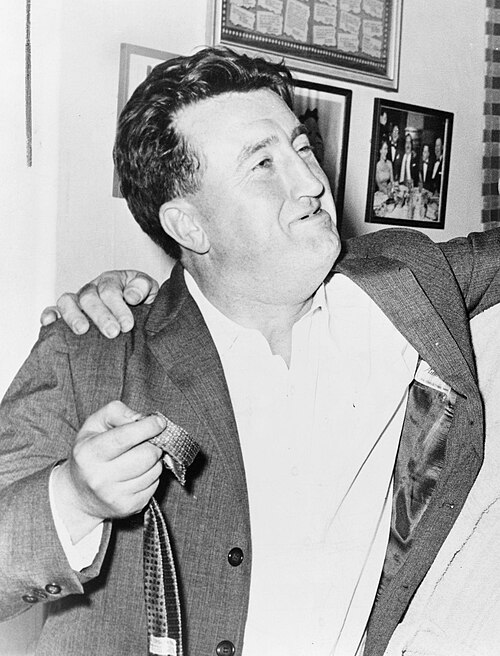
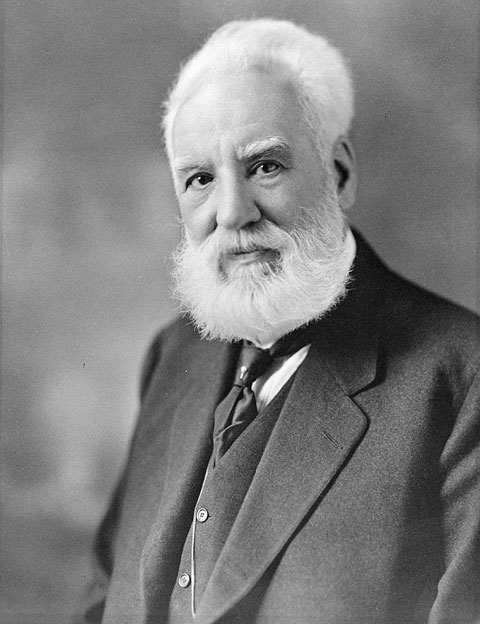
The notable people on the list above died at a median age of 73, with most between their mid-60s and early 80s, which fits a disease that usually does its damage over decades. The list is also strongly male, with roughly three men for every woman. That reflects who has historically been famous and recorded, not only who gets diabetes.
What is diabetes?
Insulin is a hormone made by the pancreas. It lets sugar (glucose) move out of the blood and into the cells that burn it for energy. When insulin is missing or does not work well, glucose stays in the bloodstream. Over years, the WHO explains, uncontrolled high blood glucose damages nerves and blood vessels.
There are several kinds, and they have very different causes:
- Type 2 diabetes is by far the most common. The WHO says it accounts for more than 95% of people with diabetes. The body still makes insulin but does not use it properly, and over time it tends to make less. Symptoms can be mild for years, so diagnosis is often late.
- Type 1 diabetes is an autoimmune condition. The CDC says the immune system attacks the insulin-making beta cells in the pancreas by mistake. It makes up about 5% to 10% of people with diabetes, and people with it need insulin every day.
- Gestational diabetes is high blood glucose during pregnancy. The WHO says it raises the risk of pregnancy complications and of type 2 diabetes later in life.
- Prediabetes means blood glucose is higher than normal but not yet in the diabetes range. It is very common: the CDC estimates 115.2 million US adults have prediabetes, and that 8 in 10 of them do not know it.
The damage that ends lives comes later. The WHO lists blindness, kidney failure, heart attack, stroke, and nerve damage in the feet that can lead to amputation among the main complications, and estimates that high blood glucose causes about 11% of cardiovascular deaths. The CDC says people with diabetes have about twice the risk of heart disease of people without it, and that the risk grows the longer someone has had diabetes.
Which risk factors can't be changed?
Age
Type 2 diabetes becomes more likely with age. The CDC lists being 45 or older as a risk factor, and the National Institute of Diabetes and Digestive and Kidney Diseases (NIDDK) says risk is higher from age 35 and keeps rising as people get older. Children and teens can develop type 2 as well, and the CDC notes it is increasingly seen in young people.
Type 1 follows a different pattern. It can start at any age but usually appears in children, teens or young adults, according to the CDC.
Family history and genes
Diabetes runs in families. The CDC counts a parent, brother or sister with type 2 diabetes as a risk factor for type 2, and a close relative with type 1 as a risk factor for type 1. For type 1, the agency adds that many people who carry higher-risk genes never develop the disease, and that an environmental trigger such as a virus may play a part.
Race and ethnicity
In the United States, type 2 is more common in some groups. The CDC names African American, Hispanic or Latino, American Indian and Alaska Native people, along with some Pacific Islander and Asian American people, as having higher risk. Type 1 runs the other way: White Americans are more likely to develop it than African American or Hispanic and Latino Americans.
Pregnancy history and birth weight
Women who had gestational diabetes, or who gave birth to a baby weighing more than 9 pounds, are at higher risk of type 2 later, the CDC says. The NIDDK adds that, for children and teens, low birth weight, or a mother who had gestational diabetes, adds to the risk.
Which risk factors can be changed?
For type 1 diabetes, the honest answer is none that are known. The CDC states plainly that no one knows how to prevent type 1 diabetes, and that diet and lifestyle do not cause it. Everything below is about type 2, which the WHO describes as often preventable.
Body weight, especially around the waist
Excess weight is the best-known lever. The NIDDK says most adults with a body mass index (BMI) of 25 or more are at higher risk, with lower cutoffs for some groups: 23 for Asian Americans and 26 for Pacific Islanders. Where the weight sits matters too. The same page flags a waist of more than 40 inches in men or more than 35 inches in women who are not pregnant.
Weight is a risk factor, not a verdict. The American Diabetes Association points out that many people with type 2 are at a normal weight or only moderately overweight, and that activity, family history, ethnicity and age also count.
Physical activity
Being inactive raises risk on its own. The CDC lists being physically active fewer than 3 times a week as a risk factor, and the NIDDK includes a sedentary lifestyle or a job that involves sitting for long periods. The WHO recommends at least 150 minutes of moderate exercise a week to help prevent type 2.
Diet and sugary drinks
The WHO's prevention advice for type 2 includes a healthy diet that avoids sugar and saturated fat. Sugary drinks have the clearest research trail. A meta-analysis in Diabetes Care that pooled 8 cohort studies with 310,819 participants found that people who drank the most sugar-sweetened beverages, most often 1 to 2 servings a day, had a 26% greater risk of type 2 diabetes than those who drank the least. The American Diabetes Association advises avoiding sugar-sweetened drinks and choosing water, noting that one 12-ounce regular soda carries about 40 grams of sugar.
Smoking
Tobacco is a less familiar diabetes risk. The CDC says cigarette smokers are 30% to 40% more likely to develop type 2 diabetes than nonsmokers, with risk climbing as the number of cigarettes goes up. For people who already have diabetes, the agency says quitting helps quickly, and former smokers tend to control their blood sugar better.
Prediabetes and fatty liver
Two conditions signal that type 2 may be on the way. The CDC lists non-alcoholic fatty liver disease as a risk factor, and says having prediabetes raises the risk further. Prediabetes is the stage where change pays off most. The CDC says it is possible to reverse prediabetes and prevent or delay type 2 diabetes, and the WHO stresses that moving on to diabetes is not inevitable.
How much lifestyle change helps: the Diabetes Prevention Program
The strongest evidence comes from a large US trial, the Diabetes Prevention Program, sponsored by the NIDDK in people at high risk of type 2 diabetes. Participants in the lifestyle group aimed to lose 7% of their body weight and exercise 150 minutes a week. After about three years they were 58% less likely to develop type 2 diabetes than the placebo group, and among people 60 and older the reduction was 71%. A group given the drug metformin had a 31% lower chance.
The effect faded but did not vanish. At 15 years of follow-up, the NIDDK reports, the lifestyle group's onset of diabetes was still delayed by 27%, and the metformin group's by 18%.
For people who already have diabetes
Most diabetes deaths come from complications, and those can be pushed back. The CDC's heart guidance for people with diabetes centers on keeping A1C in range, blood pressure below 140/90 mm Hg, and cholesterol managed, and not smoking. The WHO lists blood pressure drugs, statins, foot care, kidney screening and eye exams as treatments that people with diabetes often need or may need, and notes that 59% of adults over 30 with diabetes were not taking medication for it in 2022.
What does not cause diabetes?
"Eating sugar gives you diabetes"
Not directly. The American Diabetes Association says sugary drinks are linked to type 2 diabetes, and the WHO lists overweight, inactivity and genetics as the factors that contribute to type 2. Type 1 has nothing to do with sugar: the CDC says diet and lifestyle habits do not cause it.
"Only overweight people get it" or "every overweight person will"
Both are wrong. The ADA calls excess weight a risk factor but notes that plenty of people with type 2 are at a normal weight, and plenty of heavier people never develop it.
"Diabetes is contagious"
It is not. The ADA states that diabetes cannot be caught like a cold or flu. When it clusters in families, that comes from shared genes and habits.
"Needing insulin means you failed"
The ADA rejects this too. Type 2 is a progressive disease in which the body gradually makes less insulin, so tablets may eventually stop being enough. Moving to insulin is a treatment step, not a judgment.
"Diabetes isn't that serious"
The ADA says diabetes causes more deaths a year than breast cancer and AIDS combined, and that good management lowers the risk of complications.
Can it be caught early?
Yes, and that matters because type 2 is often silent. The CDC estimates that 27.6% of US adults with diabetes, about 11 million people, are undiagnosed.
The US Preventive Services Task Force recommends screening adults aged 35 to 70 who have overweight or obesity (a grade B recommendation, issued in 2021). It suggests clinicians consider starting earlier in groups with higher rates, such as American Indian, Alaska Native, Black, Hispanic and Native Hawaiian or Pacific Islander adults, and in people with a family history of diabetes, past gestational diabetes or polycystic ovary syndrome. For Asian American adults it uses a lower BMI threshold of 23. If results are normal, the Task Force says repeating the test every 3 years may be reasonable.
The tests are simple blood draws. The CDC gives these cutoffs for the A1C test, which reflects average blood sugar over 2 to 3 months: below 5.7% is normal, 5.7% to 6.4% is prediabetes, and 6.5% or above is diabetes. For a fasting blood sugar test, 100 to 125 mg/dL indicates prediabetes and 126 mg/dL or above indicates diabetes. Pregnant women are usually tested for gestational diabetes between 24 and 28 weeks.
What are the warning signs?
The CDC lists the common symptoms of diabetes as urinating often, being very thirsty or hungry, losing weight without trying, fatigue, blurry vision, and frequent urinary or yeast infections. Type 2 can also bring slow-healing sores, dark patches of skin on the neck or armpits, and numbness or tingling in the hands or feet. Type 1 symptoms can appear suddenly, within weeks or months, and be severe.
One complication is an emergency. In diabetic ketoacidosis (DKA), substances called ketones build up in the blood, and the CDC calls raised ketones a medical emergency that needs treatment at once. Common triggers are illness and missed or wrong insulin doses. It is most common in type 1 but can happen in type 2, and in some people it is the first sign that they have diabetes at all. The CDC says to go to the emergency room or call for help if any of these appear:
- Blood sugar that stays at 300 mg/dL or higher
- Breath that smells fruity
- Vomiting, with no way to keep food or fluids down
- Fast, deep breathing or trouble breathing
- Several DKA symptoms at once, such as extreme tiredness, stomach pain, a flushed face, or a dry mouth and skin
Call 911 (US), 999 (UK) or 112 (EU) at once.
What do the famous cases show?
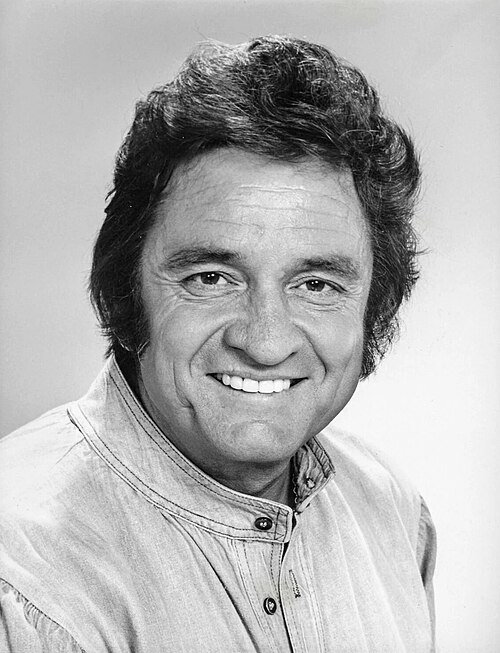
Johnny Cash died in 2003 at 71. In his last years he had been diagnosed with autonomic neuropathy associated with diabetes, nerve damage that affects the body's automatic functions, and he died of complications from the disease.
Waylon Jennings, a pioneer of outlaw country, died in 2002 at 64 of complications of type 2 diabetes. In his last two years, poor circulation had led to surgery on his leg and then the amputation of his left foot, the kind of foot complication the WHO describes above.
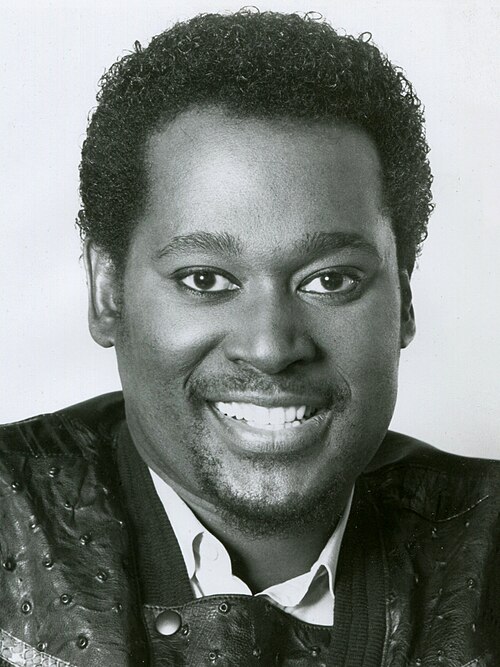
Luther Vandross died in 2005 at 54, of a heart attack. He had lived with diabetes and high blood pressure and had a stroke in 2003. Like his father and his three older siblings, he died of complications of diabetes and asthma.
Michelle Trachtenberg, one of the youngest people on the list, died in 2025 at 39. The New York medical examiner gave complications of diabetes as the cause. She had received a liver transplant in 2024; the type of her diabetes and any link to the transplant have not been reported.
Across the notable people on this list, the median age at death is 73. Treat that number with care. Notable people are not a representative sample of anyone. Causes of death come from Wikidata and can be incomplete or loose, especially for a disease that usually kills through heart attacks, strokes and kidney failure and is often recorded under those instead. History matters as well: the earliest death here dates from 1905, long before modern treatment, so it says little about the risk of dying from diabetes today.
The short version
- Type 1 diabetes cannot currently be prevented; type 2, which is more than 95% of cases, often can be.
- The main levers for type 2 are body weight, physical activity, a diet lower in sugar and sugary drinks, and not smoking.
- In a large trial of people at high risk of type 2, modest weight loss and 150 minutes of activity a week cut the risk of diabetes by 58% over about three years.
- Many people with type 2 or prediabetes do not know it; the USPSTF recommends screening adults 35 to 70 with overweight or obesity.
- Most diabetes deaths come from heart disease, stroke and kidney failure, which control of blood sugar, blood pressure and cholesterol helps hold off.
Sources
- World Health Organization: Diabetes fact sheet - global prevalence, deaths, types, risk factors, prevention and complications.
- CDC: Diabetes Risk Factors - risk factors for type 1, type 2 and gestational diabetes.
- CDC: Preventing Type 2 Diabetes - prediabetes can be reversed; 8 in 10 with prediabetes do not know it.
- CDC: National Diabetes Statistics Report - US prevalence, undiagnosed share and prediabetes count.
- CDC: About Type 1 Diabetes - autoimmune cause, no known prevention, share of all diabetes.
- CDC: Diabetes Symptoms - symptoms of type 1 and type 2, onset patterns, gestational testing window.
- CDC: Diabetes Testing - A1C and fasting glucose cutoffs.
- CDC: Diabetic Ketoacidosis - DKA symptoms and when to seek emergency care.
- CDC: Diabetes and Your Heart - doubled heart disease risk and the targets that lower it.
- CDC: Smoking and Diabetes - smokers are 30% to 40% more likely to develop type 2.
- NIDDK: Risk Factors for Type 2 Diabetes - BMI and waist thresholds, age, inactivity, birth weight.
- NIDDK: Diabetes Prevention Program - trial results for lifestyle change and metformin at 3, 10 and 15 years.
- Malik et al., Diabetes Care (via PMC): Sugar-Sweetened Beverages and Risk of Metabolic Syndrome and Type 2 Diabetes - 26% higher risk with the highest intake.
- American Diabetes Association: Know Your Facts About Diabetes - myths on sugar, weight, contagion and insulin.
- USPSTF: Screening for Prediabetes and Type 2 Diabetes - who to screen, from what age, and how often.
How this was sourced
This article summarizes guidance from public health authorities and findings from peer-reviewed research, each linked at the claim it supports. Details about named people come from their public biographies, and our own figures come from the causes of death recorded for the notable people listed on this page. It is not medical advice. We are not doctors, and nothing here can tell you your own risk. Talk to a doctor about your own health, symptoms or test results.