Cholera is a bowel infection, caused by a bacterium, that can drain the body of water so fast that a healthy adult dies within hours. It is not only a disease of the past. Researchers estimate that it causes 1.3 to 4.0 million cases and 21,000 to 143,000 deaths around the world every year, according to the World Health Organization. In 2025, 47 countries reported 451,499 cases and 7,870 deaths to the WHO, the highest yearly death toll it had received since 1999.
Yet with the right care almost nobody needs to die of it. The CDC says that more than 99% of patients survive when they are rehydrated in time. Cholera kills where clean water, toilets and basic medical care are missing, which is why the deaths cluster in places hit by war, floods and poverty.
The list above is entirely historical. Every person on it is a man, and every death falls in the 19th century, starting in 1831. That is the century cholera first left South Asia and swept across the world, killing kings, generals and composers alongside the urban poor. Those cases say a lot about how 19th-century cities handled water and sewage, and very little about the risk to a traveler today.
What is cholera?
Cholera is caused by the bacterium Vibrio cholerae. People take it in with contaminated water or food, and once it reaches the small intestine it makes a toxin. MedlinePlus, the US National Library of Medicine's health site, explains that this toxin makes the cells lining the gut pour out water, which produces the torrent of watery diarrhea the disease is known for.
Only some strains cause epidemics. The WHO says outbreaks come from two serogroups, O1 and O139, and that O1 has been behind all recent outbreaks.
Most infections are mild or silent. The CDC says about 1 in 10 infected people develop severe symptoms: profuse watery diarrhea, vomiting and leg cramps. Symptoms appear 12 hours to 5 days after infection, and people shed the bacteria in their stool for 1 to 10 days, which is how outbreaks keep going. The danger is the speed of fluid loss. A 2011 review in the CDC journal Emerging Infectious Diseases notes that, without fluid replacement, severe cholera can lead to circulatory collapse and death in as little as 6 to 8 hours. The CDC's Yellow Book puts the death rate of untreated cholera as high as 50%.
Where does cholera still occur today?
The CDC counts cholera as endemic in about 50 countries, mostly in South and Southeast Asia and Africa, with outbreaks also on the island of Hispaniola in the Caribbean. Haiti's epidemic began in October 2010, faded by 2016 and flared again in 2022. In 2023 the WHO rated the global risk "very high" and declared its highest grade of emergency.
The burden is concentrated. In 2025, just seven countries, Angola, Bangladesh, the Democratic Republic of the Congo, Nigeria, South Sudan, Sudan and Yemen, accounted for about 90% of reported cases and deaths. In the WHO African Region, deaths rose 58% compared with 2024, and more than one in five reported deaths worldwide happened outside a health facility, meaning the person never reached treatment. The WHO also warns that official counts understate the problem, because surveillance is weak in many places and governments fear the effect on trade and tourism.
The UK and the US see very few cases. The NHS says cholera is not found in the UK and the risk to travelers is very small. The CDC's Yellow Book counted 39 confirmed cases from 2017 to 2022 in US residents who had traveled abroad in the week before falling ill, most of them after trips to South Asia or Africa.
How do people get cholera?
Contaminated water and food
The main route is fecal: an infected person's diarrhea gets into drinking water or food, and someone else swallows it. The CDC says spread can be fast where sewage and drinking water are not adequately treated, and that large outbreaks are often traced to a contaminated water supply or to street food. The WHO lists conflict, displacement, cyclones, floods, drought and underinvestment in water and sanitation as the conditions that let it take hold.
Raw shellfish
The bacterium also lives naturally in brackish and coastal water, so seafood can carry it without any sewage involved. The CDC names raw shellfish such as shrimp and crab as a source, and notes that some US travelers have become sick after bringing contaminated seafood home. The NHS adds food handled by an infected person to the list of ways to catch it.
Factors a person cannot change
Some people are more likely to become badly ill once infected. The CDC says people with blood type O, chronic medical conditions, or achlorhydria (little or no stomach acid) are more likely to have severe disease. Stomach acid kills many of the bacteria before they reach the gut, so the Yellow Book also flags people taking acid-blocking medication as more likely to be infected in the first place.
Who is most exposed
Beyond people living without safe water, the CDC lists travelers to areas with active spread, humanitarian aid workers, refugees and displaced people, and health and response workers in affected areas.
What prevents cholera now?
Safe water and sanitation
The WHO calls water, sanitation and hygiene the long-term solution. Its 2030 roadmap aims to cut cholera deaths by 90% and eliminate the disease in up to 20 countries.
The CDC sets out five basic steps for people living in or visiting affected areas:
- Water: drink sealed bottled water, or treat water by chlorinating, filtering or boiling it. The CDC's boiling advice is a rolling boil for 1 minute, and filters should have a pore size of 0.3 microns or smaller and be paired with a disinfectant.
- Hands: wash with soap and safe water before handling food or eating and after using the toilet; if neither is available, use a sanitizer with at least 60% alcohol.
- Toilets: use a latrine or toilet, and where none exists bury feces at least 30 meters (100 feet) from any water source.
- Food: eat food that is fully cooked and still hot, peel fruit yourself, and cook shellfish until it is very hot all the way through.
- Cleaning: disinfect surfaces soiled with feces using 1 part household bleach to 9 parts water.
Vaccines
Oral vaccines exist and are used both in outbreaks and for some travelers. The WHO has prequalified three oral vaccines. Two doses protect adults for at least 3 years, while a single dose gives good but shorter protection. Because of a global shortage, outbreak campaigns have used one-dose regimens since October 2022. Supply is growing: yearly production rose from about 30 million to about 80 million doses between 2022 and 2025.
A vaccine does not replace clean water. MedlinePlus notes that during an outbreak, the priority is safe water, food and sanitation, because vaccination is not very effective as an outbreak control tool on its own, and that vaccinated travelers still need to be careful with what they eat and drink.
What does not spread or prevent cholera?
"Bad air" does not cause it. For much of the 19th century, doctors blamed foul-smelling air. The water route was shown in London: during the third pandemic, which hit London in 1854, the physician John Snow carried out his pioneering epidemiologic studies. A review in Emerging Infectious Diseases describes how he recorded more than 500 fatal cases in ten days clustered around a single public pump on Broad Street, and how he compared South London households by which water they drank.
Casual contact is not the usual route. Sitting near or touching someone with cholera is unlikely to pass it on; the CDC says spread from person to person or through casual contact is not likely. The risk comes from feces reaching food or water, which is why handwashing and toilets matter so much.
Antibiotics before a trip do not protect. The CDC does not recommend preventive antibiotics for travelers, and the WHO advises against mass antibiotic prophylaxis in outbreaks because it has no proven effect on spread and may fuel drug resistance.
Sugary drinks are not a substitute for rehydration salts. The CDC warns that juice, soft drinks and sports drinks can make diarrhea worse.
Can it be caught early?
There is no screening test for people without symptoms. Early detection happens at the level of communities: the WHO uses surveillance and rapid diagnostic tests to spot probable outbreaks, with laboratory culture or PCR to confirm them.
What are the warning signs?
Because cholera can kill within hours, speed matters. Signs to act on, according to MedlinePlus and the NHS:
- sudden, heavy, watery diarrhea, sometimes with a fishy smell
- vomiting and nausea, stomach cramps or leg cramps
- signs of dehydration: strong thirst, dry mouth and skin, sunken eyes, no tears, little or no urine, or dark urine
- a racing pulse, unusual sleepiness or weakness, and in babies a sunken soft spot on the head
The NHS asks anyone with these symptoms to tell the doctor about travel to a cholera area even if the trip was a few weeks ago. Severe watery diarrhea with signs of shock is an emergency. Call 911 (US), 999 (UK) or 112 (EU) at once.
How is cholera treated?
The treatment is replacing what is lost. The CDC calls rehydration the most important treatment, and says most people can be fully rehydrated by drinking oral rehydration solution, a packet of salts and minerals mixed into boiled or treated water. Severely dehydrated patients need intravenous fluids and should switch to the oral solution as soon as they can. With timely, adequate rehydration, the Yellow Book puts the death rate below 1%, and the WHO's target for treatment centers is the same less than 1%.
Antibiotics help in serious cases. The Yellow Book says they shorten the illness and cut fluid needs, and names doxycycline and azithromycin as reasonable first choices for returning US travelers; resistance to ciprofloxacin is common in recent US isolates. For children aged 6 months to 5 years, the CDC advises starting zinc supplements right away where available, and babies should keep breastfeeding or taking formula.
What does CDC advise travelers?
The CDC says travelers who stick to safe food, water, handwashing and sanitation practices have virtually no risk. Its main points:
- Check whether cholera is circulating at the destination before leaving, and follow the five prevention steps above.
- The one vaccine licensed in the US is a single oral dose. The CDC's vaccine advisers recommend it for travelers aged 2 to 64 going to areas of active cholera transmission, but not routinely for most US travelers.
- It must be taken at least 10 days before possible exposure. In a challenge study of adults 18 to 45, it was 90% effective against severe diarrhea at 10 days and 80% at 3 months.
- It should not be given within 14 days of antibiotics, and it is not licensed for children under 2 or adults 65 and older.
In the UK, the NHS says most travelers do not need the vaccine. It is offered to people going to areas where cholera is common and who will be far from medical care, and to aid workers. The NHS vaccine is given as a drink and must be completed at least a week before travel. The NHS also advises brushing teeth with bottled or boiled water and skipping ice and raw salads.
What do the famous cases show?
The names on this list trace the first great waves of cholera across Europe. The disease's global spread from Bengal was first documented in 1817. Four of the people below died in the decades that followed, as successive waves reached Europe.
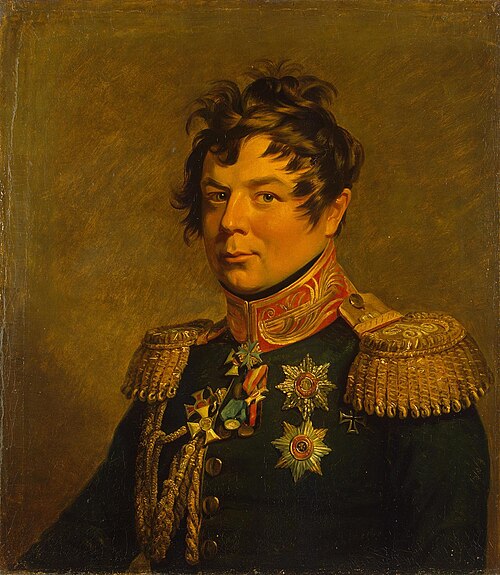
- Hans Karl von Diebitsch, the Prussian-born Russian field marshal, died of cholera in 1831 at 46 while commanding the army sent into Poland during the November Uprising.
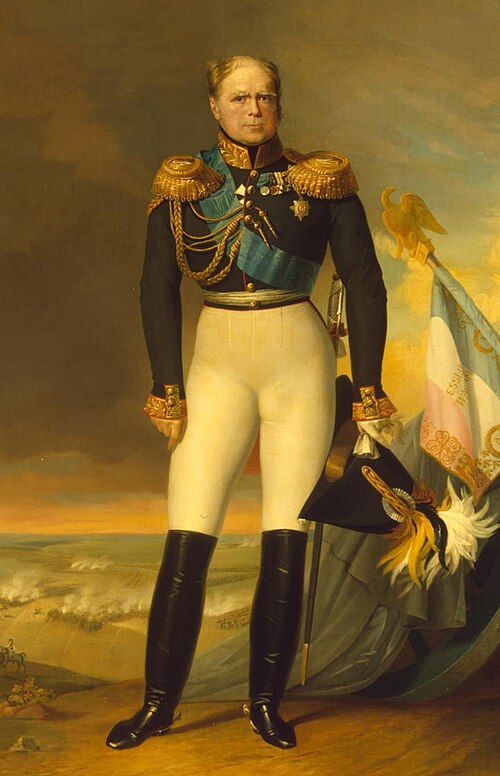
- Grand Duke Konstantin Pavlovich of Russia died of cholera the same summer, in 1831, at 52.
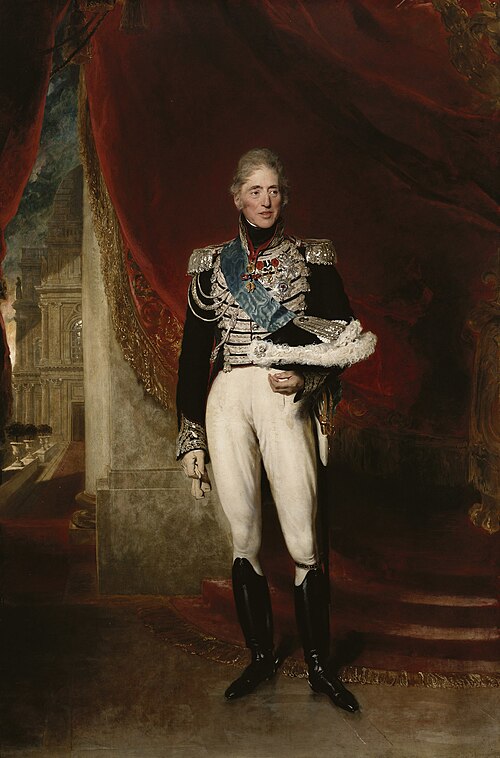
- Charles X, the deposed king of France, caught cholera in exile and died in 1836 at 79.
- Pyotr Ilyich Tchaikovsky died in St Petersburg in 1893 at 53, during a cholera epidemic. His death is officially recorded as cholera, traditionally blamed on unboiled water, and its circumstances are still debated.
The median age at death among the notable people on this list is 53, and all of them are men. These figures should be read with care: notable people are not a representative sample, causes of death are taken from Wikidata and can be incomplete, and a death from cholera in the 1830s says little about the risk today, when clean water, oral rehydration and antibiotics make it a survivable illness.
The short version
- Cholera still kills thousands of people a year, almost all of them in places without safe water, sanitation or quick medical care.
- It spreads through water and food contaminated by feces, and through raw shellfish; casual contact rarely passes it on.
- Safe water, toilets and handwashing prevent it; vaccines add protection for travelers to active outbreak areas and for aid workers.
- Prompt rehydration, usually just oral rehydration solution, brings the death rate below 1%.
- Heavy watery diarrhea after time in an affected area is a reason to seek care at once.
Sources
- WHO: Cholera fact sheet - global burden, strains, incubation, vaccines, treatment targets, 2030 roadmap.
- WHO: Latest global trends in cholera, meningitis and plague - 2025 case and death counts, most affected countries, vaccine supply.
- CDC: About Cholera - share of severe cases, spread, imported seafood.
- CDC: Cholera causes and how it spreads - water, street food, shellfish, person-to-person risk, risk of severe disease.
- CDC: Preventing Cholera - the five prevention steps.
- CDC: Cholera Treatment - rehydration, survival with treatment, zinc, sugary drinks.
- CDC Yellow Book: Cholera - where it occurs, US travel cases, risk groups, vaccine, antibiotics, fatality rates.
- Emerging Infectious Diseases: Cholera, Modern Pandemic Disease of Ancient Lineage (2011) - 1817 spread from Bengal, 1854 London, speed of death.
- Emerging Infectious Diseases: The Ghost Map (review, 2007) - John Snow and the Broad Street outbreak.
- MedlinePlus: Cholera - toxin mechanism, symptoms, vaccines in outbreaks.
- NHS: Cholera - UK risk, travel precautions, vaccine schedule, when to get help.
How this was sourced
This article summarizes public health authorities and peer-reviewed research, linked at each claim, and the details of the famous cases come from our own records checked against each person's published biography. It is not medical advice. If you are planning travel to an area with cholera, or are unwell after a trip, talk to a doctor or a travel clinic about your own situation.