Brain cancer is a malignant tumor that grows from cells inside the brain or, less often, the spinal cord. It is uncommon but hard to treat. The American Cancer Society expects about 24,740 malignant brain and spinal cord tumors to be diagnosed in the US in 2026, and about 18,350 deaths. These cancers make up only about 1% of new cancers, yet the National Cancer Institute's SEER program counts them as about 2.9% of all US cancer deaths, a sign of how deadly they are.
The honest headline for this page is that science knows rather little about what causes brain cancer. Outside of high-dose radiation and a handful of rare inherited syndromes, no cause has been firmly established, and no lifestyle habit has been clearly shown to prevent it. That makes this page shorter on "what to do" than most, and longer on what the evidence does and does not show.
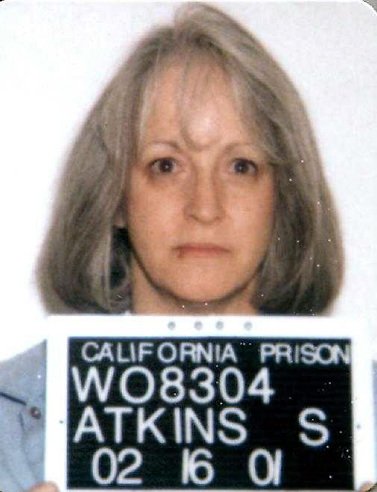
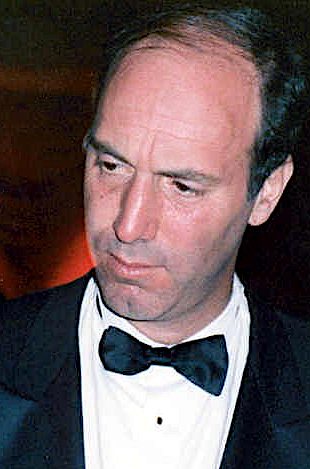
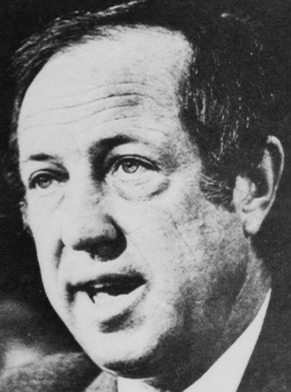
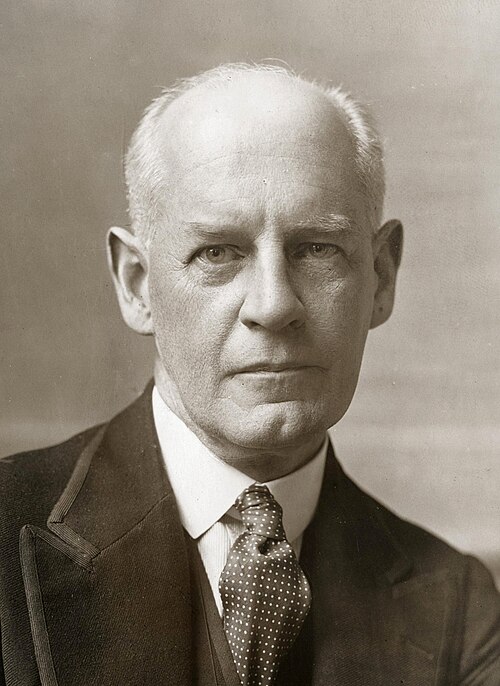
The people on the list above died at a median age of 63.5, close to the SEER figures for the general population: a median age of 61 at diagnosis and 67 at death. The list holds about two men for every woman, which fits the American Cancer Society's note that malignant brain tumors are slightly more common in men, though a celebrity list exaggerates any gap.
What is brain cancer?
Like every cancer, brain cancer begins when cells acquire DNA changes that let them divide without the normal brakes. The American Cancer Society explains that most brain and spinal cord tumors arise from glial cells, the support cells around neurons, and that as a group these tumors are called gliomas. Gliomas that grow from star-shaped cells called astrocytes are astrocytomas or glioblastomas.
Glioblastoma is the form behind many of the deaths on this list, and the one most people mean when they hear "brain cancer." Its outlook is grim. An NCI rare brain tumor program post puts the median survival for glioblastoma at 15 to 18 months. American Cancer Society figures from US registry data show a five-year relative survival of 28% for people diagnosed at 15 to 39, and 6% for people 40 and older. Other gliomas do far better: the same table gives 79% for oligodendroglioma in people 40 and over.
One distinction matters for reading any record of "brain cancer." A tumor can start in the brain (a primary tumor), or start elsewhere, such as the lung or breast, and spread there. MedlinePlus notes that some brain tumors start in the brain while others, called metastatic tumors, begin in another part of the body, and the NHS defines brain cancer as a tumor that starts in the brain or spreads into it from somewhere else. This page is about primary brain cancer. Primary brain tumors, by contrast, rarely spread to other parts of the body.
Which risk factors can't be changed?
Age
Brain cancer can strike at any age, including childhood, but it is mostly a disease of adults. The American Cancer Society says about 9 in 10 cases are diagnosed in adults. SEER data show the largest share of deaths falls in the 65 to 74 age group, at 29.6%, and only 2.8% occur in people under 20. The NHS lists being over 85 among the factors that raise risk.
Sex
The pattern splits by tumor type. The American Cancer Society notes that the risk of any brain or spinal cord tumor is slightly higher in women, while malignant tumors are slightly more common in men.
Inherited syndromes and family history
A small minority of brain tumors run in families. The American Cancer Society names several inherited conditions linked to them, including neurofibromatosis types 1 and 2, tuberous sclerosis, von Hippel-Lindau disease, Li-Fraumeni syndrome and Turcot syndrome; the NCI's professional summary gives a similar list of familial syndromes associated with tumors of the central nervous system. The NHS also lists having a close relative who had a brain tumour. Still, the ACS stresses that most people with brain tumors have no family history, and that most of the gene changes in these tumors are acquired during life.
A weakened immune system
This applies mainly to one tumor, primary central nervous system lymphoma. The American Cancer Society says a weakened immune system raises the risk of brain lymphoma, whether from inherited immune disorders, cancer treatment, anti-rejection drugs after a transplant, or AIDS. The NCI adds that transplant recipients and people with AIDS face a substantially increased risk of this lymphoma, and that Epstein-Barr virus infection has been implicated.
Which risk factors can be changed?
Very few, and the sources say so directly. The American Cancer Society states that, other than radiation, no lifestyle-related or environmental factors are clearly linked to brain tumors. Its prevention page concludes that there is no known way to prevent most adult brain and spinal cord tumors. What follows is the short list of factors that have at least some evidence behind them.
Radiation to the head
This is the one environmental cause that is well established. The American Cancer Society calls radiation the only known environmental risk factor for brain tumors. The exposure is usually radiation therapy aimed at the head to treat another cancer, and the tumors that follow tend to appear about 10 to 15 years later. The ACS notes that such tumors are rare.
Ordinary imaging is a much smaller concern. The ACS says x-rays and CT scans use far lower doses and that any extra risk from them is likely to be very small. Its guidance is that radiation-based scans be done only when clearly needed, especially in children and during pregnancy, and that doctors keep head radiation doses as low as they can when treating other cancers.
Body weight
The NHS includes being very overweight or living with obesity in its list of factors that may raise the risk of a malignant brain tumour. The American Cancer Society's risk factor page does not list weight. That makes it a possible link, not a proven cause.
Workplace chemicals
Some jobs have been studied closely. The American Cancer Society says vinyl chloride, petroleum products and some other chemicals have been linked to brain tumors in some studies but not in others, and the NCI lists vinyl chloride as a possible risk factor for glioma. The ACS notes that the brain is fairly well shielded from cancer-causing chemicals in food and air, so these are unlikely to play a major role for most people.
Head injury
Whether a past head injury raises risk is unsettled. The American Cancer Society says some research suggests it might, and calls it an area of ongoing study.
What does not cause brain cancer?
Do cell phones cause brain cancer?
This is the question most people bring to the topic, and it deserves a careful answer, because two true statements seem to clash.
First, in 2011 an expert group at the International Agency for Research on Cancer, part of the WHO, classified radiofrequency fields from phones as "possibly carcinogenic to humans". The NCI explains that the label reflected limited evidence in people, limited evidence in rodents and inconsistent lab data, and that the group itself said bias, chance or confounding could explain the associations it saw. "Possibly" is a weak category: the group saw some associations, but judged that chance, bias or confounding could explain them.
Second, the large studies since then have mostly come up empty. The NCI's summary is that the evidence suggests that cell phone use does not cause brain or other kinds of cancer in humans. Among the studies it describes:
- A Danish cohort of more than 358,000 subscribers found no link with glioma, meningioma or acoustic neuroma, even after 13 or more years of subscription.
- The COSMOS study in five European countries followed 264,574 people for a median of just over 7 years and found that total call time was not tied to brain tumors, including among the heaviest users.
- The Interphone study, in 13 countries, found no overall rise in glioma with more phone use; one analysis showed a small increase in the heaviest callers, which the researchers judged inconclusive.
Population data point the same way. Phone use spread to most adults over recent decades, yet the NCI reports that adult glioma rates stayed stable in the US, the Nordic countries and Australia. As background only, SEER data show US incidence of brain and other nervous system cancer fell by an average of 1.4% a year from 2014 to 2023; SEER does not tie that figure to phones.
There is a basic physics point too. The American Cancer Society notes that the radiofrequency energy phones give off does not damage DNA and is not known to cause cancer, unlike x-rays. The CDC is more cautious in tone: it says no evidence yet gives a definite answer on whether cell phones cause cancer, and that research continues. For people who want to cut exposure anyway, the CDC mentions hands-free headsets and speakerphone, and the ACS mentions a speakerphone or hands-free device.
Aspartame, power lines and viruses
Other suspected causes have been studied and not borne out. The American Cancer Society says aspartame, electromagnetic fields from power lines and transformers, and certain viruses have been proposed, but most researchers find no convincing evidence that any of them cause brain tumors.
Can it be caught early?
No screening test exists for people without symptoms. The American Cancer Society says there are no widely recommended tests to screen for brain tumors, and most are found once they cause symptoms. People with one of the inherited syndromes above may be followed more closely by their own doctors.
When should someone see a doctor?
Symptoms come from pressure inside the skull or from the part of the brain the tumor affects. Sources list:
- Headaches that are new or getting worse; the ACS says about half of people with brain tumors have them.
- Seizures, which the ACS says up to half of people with brain tumors have at some point.
- Nausea or vomiting, blurred vision, and unusual drowsiness.
- Changes in personality, behavior, thinking or memory, and trouble with speech, balance or walking, as listed by MedlinePlus.
- Weakness or numbness, often on one side of the body.
Most headaches are not tumors, and these symptoms have many other causes. The NHS suggests seeing a GP for headaches that keep coming back, make you feel sick or do not ease with painkillers, and calling 999 for a sudden, severe headache, a first seizure, or a seizure lasting more than 5 minutes when its usual length is not known.
What do the famous cases show?
Several of the best-known names here died of glioblastoma.
- Neil Peart, the drummer and lyricist of Rush, died of glioblastoma in 2020 at 67.
- John McCain, the Arizona senator and 2008 Republican nominee, was diagnosed with glioblastoma in 2017 and died in 2018 at 81.
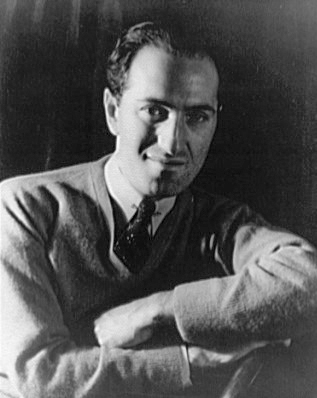
- George Gershwin died in 1937 at 38 after surgery for a brain tumor that is believed to have been a glioblastoma.
- Tammi Terrell, Marvin Gaye's duet partner, died in 1970 at 24 of a malignant brain tumor, the youngest person on this list.
- Wes Craven, the horror director, died of a brain tumor in 2015 at 76.
Among the notable people on this list, the median age at death was 63.5, and most of them died after 2000. Gershwin and Terrell show the disease's range: it is mostly a cancer of later life, but it can take people in their 20s and 30s, as the SEER age data confirm.
Keep the limits of this data in mind. Notable people are not a representative sample of anyone. Causes of death come from Wikidata and can be incomplete or loose; a "brain cancer" entry may sometimes describe a cancer that started elsewhere and spread. History matters too: a death in 1937 reflects the surgery and imaging of its time, not today's care. Nothing here suggests that any person's habits caused their illness, and for brain cancer, the sources say no habit is known to.
The short version
Brain cancer is rare but often deadly, and glioblastoma, the type behind many famous cases, has a median survival measured in months. The only firmly established outside cause is radiation to the head, mostly from earlier cancer treatment. A few inherited syndromes and a weakened immune system raise risk, but most patients have neither. Large studies have not found that cell phones cause brain cancer, and brain cancer rates have not climbed with phone use. There is no screening test; the NHS suggests seeing a GP for headaches that keep coming back or do not ease with painkillers, and calling 999 for a sudden severe headache or a first seizure.
Sources
- American Cancer Society: Key Statistics for Brain and Spinal Cord Tumors - US cases and deaths, share of cancers, age, sex differences.
- American Cancer Society: What Are Brain and Spinal Cord Tumors? - gliomas, astrocytomas and glioblastoma.
- American Cancer Society: Risk Factors for Brain and Spinal Cord Tumors - radiation, syndromes, immune system, chemicals, phones, myths.
- American Cancer Society: Can Brain and Spinal Cord Tumors Be Prevented? - no known prevention for most tumors; limiting radiation.
- American Cancer Society: Can Brain Tumors Be Found Early? - no recommended screening.
- American Cancer Society: Signs and Symptoms of Brain Tumors - headache and seizure frequency, focal symptoms.
- American Cancer Society: Survival Rates for Selected Adult Brain Tumors - five-year survival by tumor type and age.
- National Cancer Institute SEER: Cancer Stat Facts, Brain and Other Nervous System Cancer - share of deaths, median ages, deaths by age, incidence trend.
- National Cancer Institute: Cell Phones and Cancer Risk - IARC classification, Danish cohort, COSMOS, Interphone, glioma trends.
- National Cancer Institute: Central Nervous System Tumors Treatment (PDQ), Health Professional Version - familial syndromes, vinyl chloride, CNS lymphoma risk.
- National Cancer Institute NCI-CONNECT: Bringing the Patient, Caregiver, and Advocate Voice to Clinicians and Researchers - glioblastoma median survival.
- NHS: What is a malignant brain tumour? - tumors that start in or spread to the brain.
- NHS: Causes of a malignant brain tumour - age, family history, obesity, genetic conditions.
- NHS: Symptoms of a malignant brain tumour - symptoms, when to see a GP, when to call 999.
- MedlinePlus: Brain Tumors - primary versus metastatic tumors, symptoms.
- CDC: Facts About Cell Phones and Your Health - no definite answer on cancer; ways to reduce exposure.
How this was sourced
This page summarizes what public health authorities and cancer research bodies say, with a link at each claim to the page it came from. We cut any claim we could not trace to one of those pages. It is not medical advice and cannot assess anyone's personal risk; talk to a doctor about your own health and any symptoms that worry you.