Bladder cancer is a cancer that grows from the cells lining the inside of the bladder, the hollow organ that holds urine. In the United States, the American Cancer Society expects about 84,530 new cases and about 17,870 deaths in 2026, which makes it the 10th leading cause of cancer death in the country. It is far more common in men: of those expected cases, the ACS puts about 64,730 in men and 19,800 in women.
The disease is also one of the more survivable cancers when it is found early. The National Cancer Institute's SEER program reports a 5-year relative survival of 79.1% overall, and most tumors are caught before they spread.
The people on the list above fit the usual pattern closely. Bladder cancer is a disease of later life, and the median age at death among the notable people we track is 73. That happens to be the same as the median age at diagnosis in SEER data. All but one of the people on our list are men, in line with the much higher rate in men.
What is bladder cancer?
The wall of the bladder is built in layers. The American Cancer Society explains that most bladder cancers begin in the innermost lining, called the urothelium, and become harder to treat as they push into the deeper layers. The type that starts there, urothelial carcinoma (once called transitional cell carcinoma), is by far the most common. Rarer types include squamous cell carcinoma, at about 3% to 5% of US cases, and adenocarcinoma, at about 1% to 2%.
Doctors sort tumors by how deep they go. Non-muscle-invasive cancers stay in or near the lining; muscle-invasive cancers have grown into the thick muscle of the bladder wall and, per the ACS, are more likely to spread. The stage at diagnosis makes a large difference. SEER figures show 5-year relative survival of 98.0% for in situ disease, 73.0% for localized, 41.8% for regional and 9.6% for distant cancer.
Which risk factors can't be changed?
Age
Risk climbs steadily with age. The American Cancer Society says about 9 in 10 people with bladder cancer are over 55, and the NHS lists being over 60 among the main risk factors. Across a lifetime, SEER estimates that about 2.1% of people will be diagnosed with it.
Sex
Men are much more likely to get it and die of it. The ACS puts the lifetime chance of dying of bladder cancer at about 1 in 125 for men and about 1 in 333 for women.
Race and ethnicity
In the US, the ACS reports that white people are about twice as likely as African American and Hispanic people to develop bladder cancer, with slightly lower rates in Asian Americans. The reasons are not well understood.
Family history and genes
Having relatives with bladder cancer raises risk. The CDC lists both a family history of bladder cancer and certain gene mutations as risk factors. The ACS notes that relatives may share exposures as well as genes, and names inherited conditions linked to higher risk, including Lynch syndrome, Cowden disease and a hereditary form of retinoblastoma.
A past bladder cancer or certain treatments
Bladder cancer often comes back. According to the ACS, people who have had cancer in the lining of the urinary tract are at higher risk of a new tumor even after the first one has been fully removed. Past radiation to the pelvis and long-term use of the chemotherapy drug cyclophosphamide also raise risk, the ACS says. The NHS likewise lists previous radiotherapy for cancer.
Rare birth defects
Two uncommon conditions present from birth are linked to bladder cancer. The ACS says cancers arising from a leftover urachus (a fetal connection between the navel and the bladder) make up less than 1% of bladder cancers, and that bladder exstrophy greatly increases risk.
Which risk factors can be changed?
Smoking: the largest single cause
Tobacco is the factor that matters most. The CDC calls smoking the most important risk factor for bladder cancer. The American Cancer Society says people who smoke are at least 3 times as likely to get it as people who do not, and that smoking causes about half of all bladder cancers. A CDC surveillance report reaches the same estimate: approximately half of bladder cancers are caused by cigarette smoking. The NHS adds chewing tobacco to the list.
Quitting
Stopping helps, and the benefit starts within a few years. The same CDC report states that quitting cuts bladder cancer risk by approximately 40% within 1 to 4 years. The ACS lists quitting first among the steps that may lower the risk of bladder cancer, while noting there is no sure way to prevent it.
Chemicals at work
The ACS says chemicals called aromatic amines, such as benzidine and beta-naphthylamine, which were used in dye making, can cause bladder cancer. It names industries with higher risk, including makers of rubber, leather, textiles and paint and the printing trade, and workers such as painters, machinists, printers, firefighters, hairdressers and truck drivers, the last likely because of diesel fumes. Smoking on top of these exposures raises risk further.
The CDC lists exposure to high levels of chemicals used in making paint, dye, metal and petroleum products, and the NHS mentions textile industry chemicals and handling carbon or crude oil. The ACS advises people in these jobs to follow good work safety practices.
Arsenic in drinking water
In some parts of the world, water is a real source of risk. The World Health Organization says long-term arsenic exposure may cause cancers of the bladder and lungs as well as skin cancer, and estimates that around 140 million people in at least 70 countries drink water with arsenic above its guideline of 10 micrograms per liter. High natural levels have been found in groundwater in countries including Bangladesh, India, Chile, Argentina, Mexico, China and the United States.
For most Americans, the ACS says, drinking water is not a major source of arsenic. The CDC singles out well water contaminated with arsenic.
Some medicines and herbal products
A few drugs and herbs come up in the evidence. The ACS says some studies link the diabetes drug pioglitazone to higher risk, and that the risk appears to rise with higher doses. Supplements made from Aristolochia plants, which contain aristolochic acid, are tied to cancers of the urinary tract lining; the CDC names the Chinese herb Aristolochia fangchi specifically.
Body weight and diabetes
The NHS includes being overweight and conditions such as diabetes among the factors that may raise risk. The sources reviewed here do not put a size on that effect.
Long-term irritation and infection
Repeated urinary infections, bladder stones and catheters left in place for long periods are linked to bladder cancer, especially the squamous cell type, though the ACS says a causal link has not been proven. The parasitic infection schistosomiasis (bilharzia) is a major cause where it is common, mainly in Africa and the Middle East, but the ACS calls it an extremely rare cause in the US.
Fluids and diet
The evidence here is weaker. The ACS says some research suggests drinking a lot of fluids, mainly water, might lower risk. It adds that some studies suggest a diet high in fruits and vegetables might help protect against bladder cancer, but that other studies have not found this.
What does not cause bladder cancer?
Artificial sweeteners
Old fears about saccharin still circulate. The National Cancer Institute explains that high doses caused bladder cancer in rats, but later work found that the mechanism in rats does not apply to humans, and studies in people have found no clear link to bladder cancer. Saccharin was removed from the US National Toxicology Program's list of carcinogens in 2000.
Dyeing your own hair
Personal hair dye use does not appear to raise bladder cancer risk. The NCI cites a 2014 analysis of 17 studies that found no evidence of increased bladder cancer risk among people who dye their hair. The picture is different for heavy work exposure: a 2010 meta-analysis of 42 studies, described on the same NCI page, found that hairdressers with at least 10 years in the job were nearly twice as likely to develop bladder cancer, though a Swedish study saw no extra risk in recent decades, which its authors linked to modern dyes without aromatic amines.
Vitamin pills as protection
This is the opposite myth, that a supplement can ward the disease off. The ACS says vitamins and dietary supplements have not been shown to prevent bladder cancer.
Can it be caught early?
There is no routine screening test for people without symptoms. The US Preventive Services Task Force concluded in 2011 that the evidence is insufficient to weigh the benefits and harms of screening adults with no symptoms, an "I" statement. The NCI's screening summary reaches a similar view: the evidence is insufficient to show whether screening affects deaths from these cancers.
The American Cancer Society notes that major professional groups do not recommend routine screening for most people. Some doctors may consider testing people at very high risk, such as those who have had bladder cancer before, have certain bladder birth defects, or were exposed to certain chemicals at work, though large studies have not shown that this helps.
In practice, early detection depends on people acting on the first symptom. Because about half of cases are found while still in situ, and about a third while localized, according to SEER, a prompt check of blood in the urine often catches the disease at a treatable stage.
When should you see a doctor?
The ACS says blood in the urine is most often the first sign. Early bladder cancer often causes bleeding with little or no pain, and the ACS says the blood may disappear and return later. The NHS says the urine may look bright pink, red or dark brown.
Other symptoms the ACS and NHS list include:
- Needing to urinate more often, or suddenly, even when the bladder is not full
- Pain or burning when urinating
- A weak stream or trouble passing urine
- Getting up many times at night to urinate
- Frequent urinary tract infections
- Lower back pain on one side, weight loss, tiredness or bone pain, which the ACS lists as signs of more advanced bladder cancer
The NHS advises an urgent GP appointment or a call to NHS 111 for any blood in the urine, even a small amount, even the first time, and even without other symptoms. Most of the time the cause is something else, such as an infection or a stone, the ACS notes, but it still needs to be checked.
What do the famous cases show?
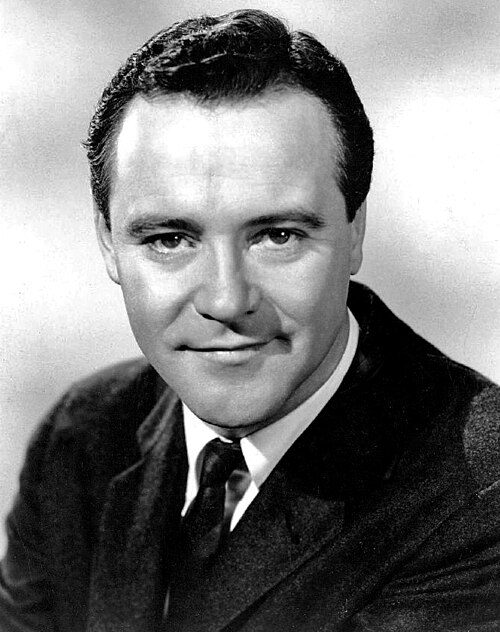
Jack Lemmon, the two-time Academy Award winner, died in 2001 at 76; his Wikipedia biography records that his bladder cancer had spread to his colon. Vinod Khanna, one of the leading stars of Hindi cinema and later a politician, died in 2017 at 70, and only after his death was it made public that he had advanced bladder cancer.
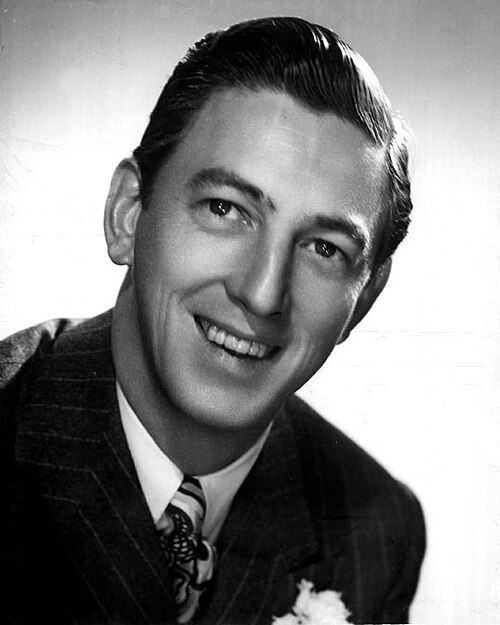
Eileen Brennan, known for The Last Picture Show, died of bladder cancer in 2013 at 80. Ray Bolger, remembered for The Wizard of Oz, was diagnosed in 1985 and died in 1987 at 83. The writer Dominick Dunne said publicly in 2008 that he was being treated for bladder cancer, and died in 2009 at 83.
Among the notable people on this list, the median age at death is 73, with half dying between about 66 and 82. That clustering in the late 60s to early 80s mirrors the disease in the general population.
A caveat: notable people are not a representative sample of anyone. Causes of death on this site come from Wikidata and can be incomplete or wrong; entries are checked against other records where we can, and some individual records on this list are uncertain. Nothing here suggests that any person's habits caused their illness.
The short version
- Not smoking, or quitting, is the strongest lever: smoking accounts for about half of bladder cancers, and the CDC reports a drop in risk of about 40% within 1 to 4 years of stopping.
- People who work with dyes, rubber, paint, leather, textiles, petroleum products or diesel exhaust carry extra risk, and workplace safety rules exist for that reason.
- Arsenic in drinking water raises risk in some parts of the world; the CDC flags contaminated well water.
- There is no routine screening, so blood in the urine, even once and even without pain, is a reason to see a doctor promptly.
- Artificial sweeteners and home hair dye are not established causes.
Sources
- American Cancer Society: Key Statistics for Bladder Cancer - 2026 US cases and deaths, sex split, lifetime risk of death, rank among cancer deaths.
- American Cancer Society: What Is Bladder Cancer? - bladder wall layers, urothelial carcinoma, rarer types and their shares.
- American Cancer Society: Bladder Cancer Risk Factors - smoking, workplace chemicals, arsenic, medicines, age, race, genes, irritation, schistosomiasis.
- American Cancer Society: Can Bladder Cancer Be Prevented? - quitting, work safety, fluids, diet, supplements.
- American Cancer Society: Can Bladder Cancer Be Found Early? - no routine screening, who might be tested.
- American Cancer Society: Bladder Cancer Signs and Symptoms - blood in urine as first sign, other symptoms.
- National Cancer Institute SEER: Cancer Stat Facts, Bladder Cancer - median age at diagnosis, survival by stage, stage at diagnosis, lifetime risk.
- National Cancer Institute: Artificial Sweeteners and Cancer - saccharin in rats versus humans, removal from carcinogen list.
- National Cancer Institute: Hair Dyes and Cancer Risk - personal use versus hairdressers, meta-analyses.
- National Cancer Institute: Bladder and Other Urothelial Cancers Screening (PDQ) - inadequate evidence that screening lowers deaths.
- CDC: Bladder Cancer Basics - smoking as top risk factor, workplace chemicals, arsenic in wells, Aristolochia, family history.
- CDC MMWR: Surveillance for Cancers Associated with Tobacco Use, United States, 2010-2014 - half of bladder cancers caused by smoking, 40% risk drop after quitting.
- World Health Organization: Arsenic fact sheet - arsenic and bladder cancer, people exposed, guideline value, affected countries.
- NHS: Bladder cancer, causes - age, sex, tobacco, occupations, weight, diabetes, radiotherapy.
- NHS: Bladder cancer, symptoms - symptoms and urgent GP advice for blood in urine.
- US Preventive Services Task Force: Bladder Cancer in Adults, Screening - 2011 "I" statement on screening.
How this was sourced
This article summarizes public health authorities and peer-reviewed research, and each claim links to the page it came from. We read every linked page while writing it. It is not medical advice and cannot tell you your own risk; talk to a doctor about your own history, symptoms and exposures.