Dementia is the name for a loss of memory, thinking and everyday ability that is caused by damage to the brain and gets worse over time. Alzheimer's disease is its most common cause. The World Health Organization counts 57 million people living with dementia worldwide in 2021, with nearly 10 million new cases a year, and ranks it as the fifth leading cause of death in the world. In the United States, the Alzheimer's Association estimates that 7.4 million people aged 65 and older are living with Alzheimer's in 2026, and that 1 in 3 older Americans dies with Alzheimer's or another dementia.
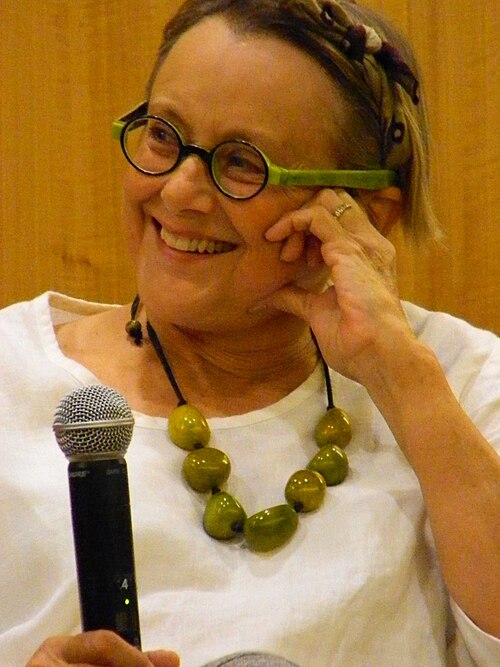
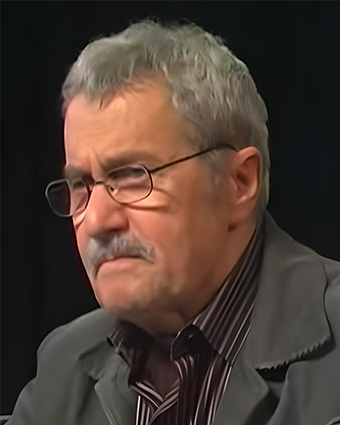
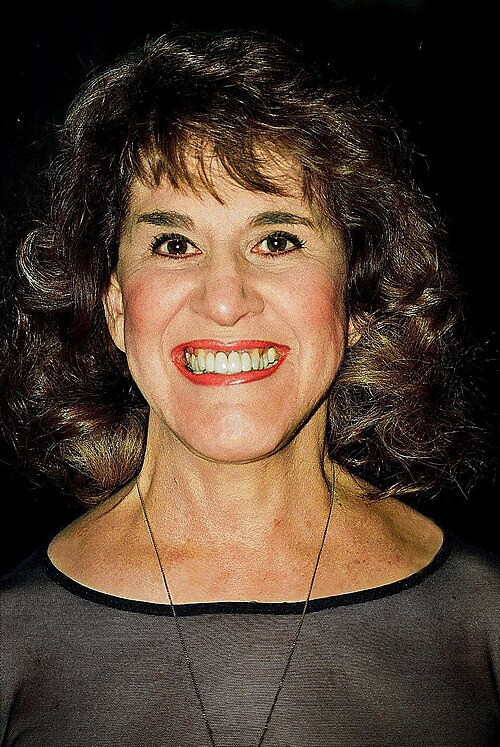
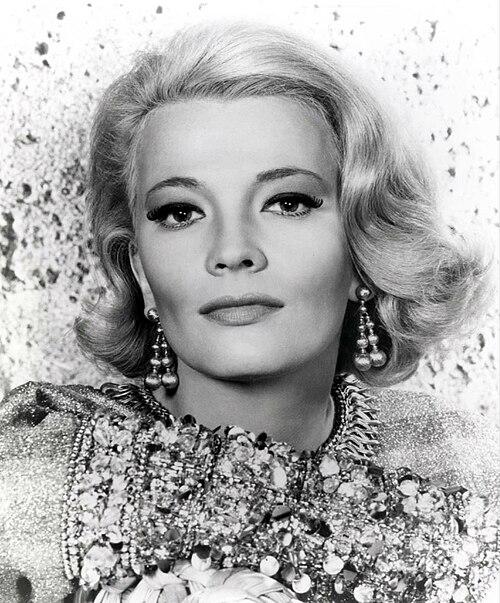
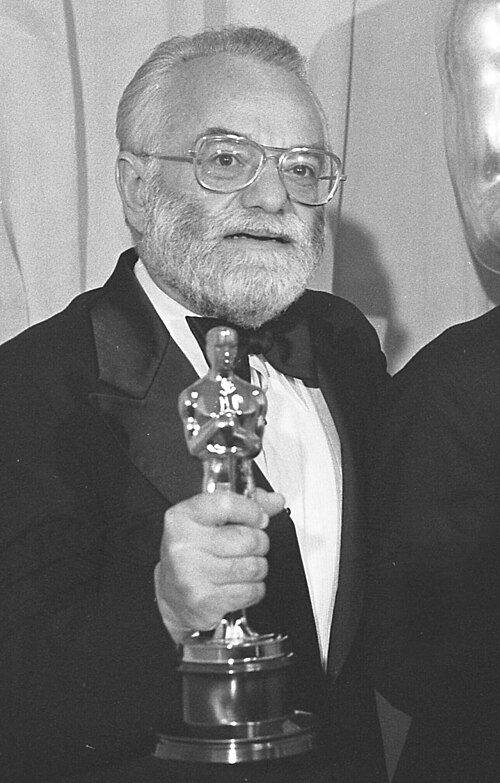
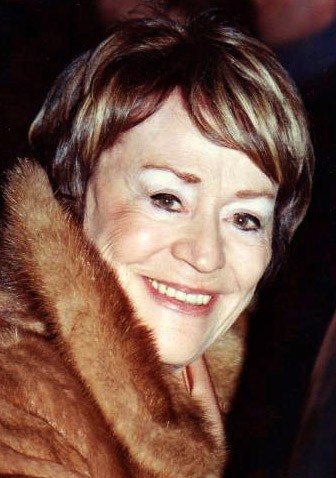
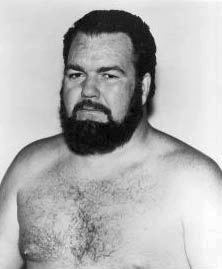
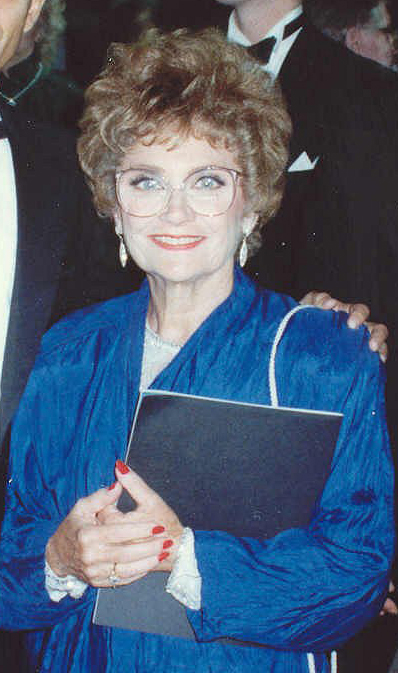
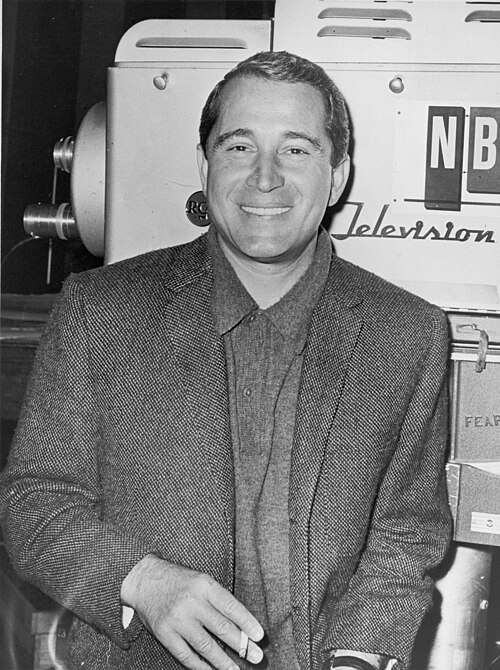
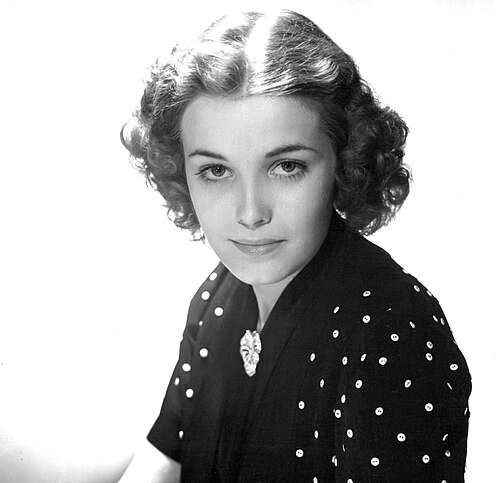
The people on the list above died late: the median age at death is 83.5, and half died between about 75 and 91. That fits a disease driven above all by age. One thing on the list does not match the wider picture. It has more men than women, 24 to 16, while the Alzheimer's Association says almost two-thirds of Americans with Alzheimer's are women. A list of famous people mostly reflects who was famous, not who gets the disease.
What is Alzheimer's disease, and how is it different from dementia?
Dementia is a description, not a single disease. The WHO explains that it is caused by many different diseases and injuries that damage the brain, and that Alzheimer's accounts for 60% to 70% of cases. Others include vascular dementia, which follows damage to the brain's blood supply, and rarer forms.
In Alzheimer's, two proteins build up where they should not. The NHS describes amyloid forming plaques around brain cells and tau forming tangles inside them. Levels of chemical messengers fall, and the parts of the brain that handle memory usually shrink first. The process starts many years before symptoms appear, and nobody yet knows what sets it off. The CDC calls the disease progressive and irreversible: the damage builds and cannot be undone.
It is also fatal. The Alzheimer's Association says that Alzheimer's is ultimately fatal, though many people die of other conditions first. The CDC ranked it the seventh leading cause of death among US adults in 2022 and warns the real toll is likely higher, because dementia is often left off death certificates.
Which risk factors can't be changed?
Age
Age is the strongest known risk factor. The Alzheimer's Association says that after 65, the risk of Alzheimer's doubles every five years, and it notes that 74% of Americans with the disease are 75 or older. The NHS puts the share of people with Alzheimer's who are under 65 at around 1 in 20. Age is a risk factor, not the cause: the NHS is clear that dementia is not a natural part of ageing.
Family history
Having a parent, brother or sister with Alzheimer's raises the odds, and the risk goes up further when more than one close relative is affected, according to the Alzheimer's Association. Families share genes, but they also share habits and surroundings, so a family history is not destiny.
Genes
Two different genetic stories are at work. The first is rare. A few families carry a change in one of three genes, APP, PSEN1 or PSEN2, that causes early-onset Alzheimer's and passes from parent to child in a dominant pattern, so one altered copy is enough, per MedlinePlus. These "deterministic" genes explain less than 1% of Alzheimer's cases, the Alzheimer's Association estimates. Early-onset disease as a whole makes up less than 10% of all cases.
The second story is common. A version of the APOE gene called e4 raises the risk of the usual late-onset form, and two copies raise it more than one. But it is a risk gene, not a sentence: MedlinePlus notes that many people with e4 never develop the disease, and many people with the disease do not carry e4.
Down syndrome
People with Down syndrome have an extra copy of chromosome 21, which carries the APP gene, and they face a higher risk of Alzheimer's. The NHS links this to the build-up of amyloid plaques.
Sex and ethnicity
Women carry more of the burden. The WHO says women are disproportionately affected by dementia, both in illness and in deaths, and that women provide 70% of care hours for people living with dementia. In the US, the Alzheimer's Association reports that older Black Americans are about twice as likely as older White Americans to have Alzheimer's or another dementia, and older Hispanic Americans about 1.5 times as likely. Those gaps are thought to reflect differences in health conditions and life circumstances, not biology alone.
Which risk factors can be changed?
This is where the research of the last decade has shifted the picture. The 2024 report of the Lancet Commission on dementia named 14 risk factors that can, in principle, be changed. A 2026 paper in The Lancet Regional Health that applied the Commission's method lists them as less education, hearing loss, high LDL cholesterol, depression, traumatic brain injury, physical inactivity, smoking, diabetes, high blood pressure, obesity, excessive alcohol, social isolation, air pollution and untreated vision loss. The paper notes that the 2017, 2020 and 2024 Commission reports proposed that 35-45% of dementia could be prevented or delayed, and it puts the global estimate for the 14 factors at 45.3%. The CDC uses the same order of magnitude, saying nearly 45% of dementia cases may be prevented or delayed.
That figure needs careful reading. It is a modelled estimate that assumes each factor is a true cause and could be removed. It describes populations, not any one person, and plenty of people who do everything right still get dementia. Two of the 14, high LDL cholesterol and untreated vision loss, were not included in studies published before the 2024 report, and researchers testing the full list against blood markers describe the factors as able to cut incidence by as much as 45% if addressed. The WHO's 2019 guidelines likewise set out evidence-based recommendations on lifestyle and other measures to delay or prevent cognitive decline and dementia.
How common are these factors? A CDC survey of US adults aged 45 and older found high blood pressure in 49.9%, too little aerobic exercise in 49.7% and obesity in 35.3%. People reporting memory or thinking problems rose from 3.9% among those with none of the risk factors to 25.0% among those with four or more, though a single snapshot like this cannot prove cause.
Blood pressure
The CDC explains that high blood pressure can damage blood vessels and cut blood flow to the brain. The best trial evidence comes from SPRINT MIND, which randomized 9,361 adults to a tight or a standard blood pressure target. Tight control lowered the rate of mild cognitive impairment, with a hazard ratio of 0.81. Its effect on probable dementia, a hazard ratio of 0.83, did not reach statistical significance, so the authors did not claim a proven drop in dementia itself.
Hearing loss
The CDC calls hearing loss a very important risk factor for dementia and says treating it with hearing aids may lower risk, partly because poor hearing pulls people away from conversation and company. A 2023 meta-analysis in JAMA Neurology found that hearing aid or implant users had a 19% lower hazard of long-term cognitive decline across eight studies with 126,903 participants. The authors rated the evidence quality as low, because it came from observational studies, and called for randomized trials.
Physical activity
Exercise has some of the more consistent data. A 2017 meta-analysis of prospective studies covering 117,410 people found that the most active had lower odds of all-cause dementia (0.79) and Alzheimer's disease (0.62) than the least active, with no clear effect on vascular dementia. The NHS recommends at least 150 minutes of moderate aerobic activity a week plus strength work twice a week, and less time sitting. Part of the link may run backwards, since people in the early, silent phase of dementia may already be slowing down.
Smoking and alcohol
The CDC says current smoking raises the risk of dementia, including Alzheimer's. Heavy drinking matters too: over time it can lead to high blood pressure or brain injury, both of which raise dementia risk. The NHS advises keeping to no more than 14 units of alcohol a week, spread over three or more days.
Diabetes, weight and cholesterol
These three overlap with heart disease, and the Alzheimer's Association says some of the strongest evidence links brain health to heart health. The CDC warns that poorly controlled diabetes lets excess blood sugar damage organs, including the brain, and notes that type 2 diabetes can often be prevented or delayed. The NHS lists smoking, obesity, diabetes, high blood pressure and high cholesterol together as conditions tied to higher Alzheimer's risk.
Head injury
The Alzheimer's Association states there is a link between head injury and later dementia and points to seat belts, helmets and fall-proofing at home. A 2024 umbrella review pooled an odds ratio for dementia after traumatic brain injury of 1.81, with a weaker and less consistent link to Alzheimer's disease specifically. The NHS describes the evidence on severe head injury as suggestive, needing more research.
Depression, loneliness, education and air
The WHO lists depression, social isolation, low educational attainment and air pollution among dementia risk factors, alongside poor sleep and stroke. The NHS adds that hearing loss, untreated depression, loneliness and inactivity are associated with risk but not confirmed as direct causes. That caution applies to much of this list: these are associations from large studies, and few have been tested in trials.
What does not cause Alzheimer's?
Aluminum pots, cans and antiperspirants
Fears about aluminum date to the 1960s and 1970s. The Alzheimer's Association says that since then studies have failed to confirm any role for aluminum in causing Alzheimer's, and that most experts now regard everyday exposure as no real threat.
Flu shots and other vaccines
The Alzheimer's Association addresses this directly: there are no peer-reviewed published studies linking these vaccines to dementia risk.
Simply getting old
Occasional forgetfulness is common with age, but dementia is a disease. The CDC states that Alzheimer's is not a normal part of aging, and the NHS says the same of dementia generally.
Bad genes alone
Most cases are not inherited in any simple way. The NHS says genes alone are not thought to cause dementia in most people, and the single-gene forms account for under 1% of Alzheimer's.
Can it be caught early?
There is no routine screening test for people without symptoms. The US Preventive Services Task Force found the evidence insufficient to weigh the benefits and harms of screening adults 65 and older who have no signs of cognitive impairment, which means it neither recommends for nor against it. Checking symptoms early is a different matter, and two drugs, lecanemab and donanemab, now target the disease's underlying biology, according to the Alzheimer's Association, though neither is a cure.
What are the warning signs?
The CDC lists these early signs of dementia:
- Getting lost in a familiar neighborhood
- Using odd words for everyday objects
- Forgetting the name of a close friend or relative
- Losing old memories
- Being unable to finish routine tasks without help
The CDC advises contacting a health care provider about any of these signs. It says early evaluation can show whether the cause is dementia or a more treatable condition, and an early diagnosis gives families time to plan care, finances and legal decisions.
What do the famous cases show?
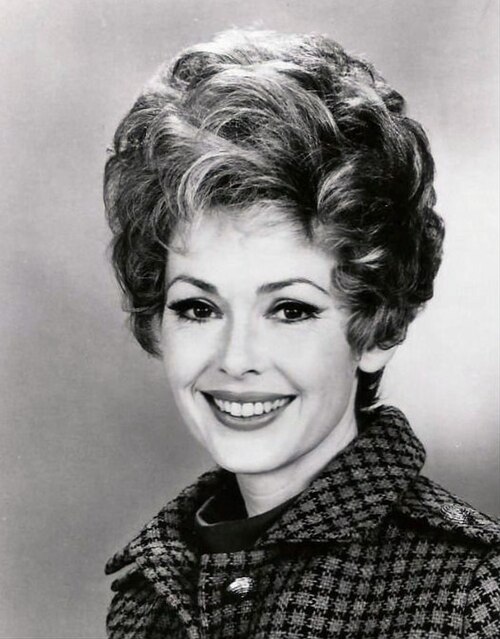
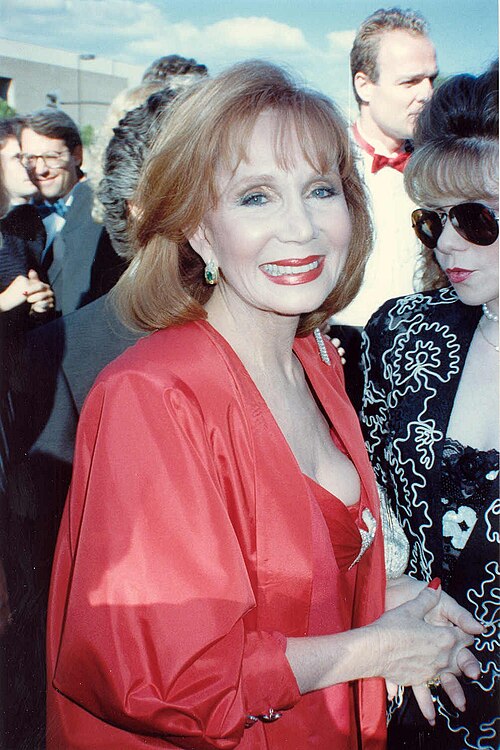
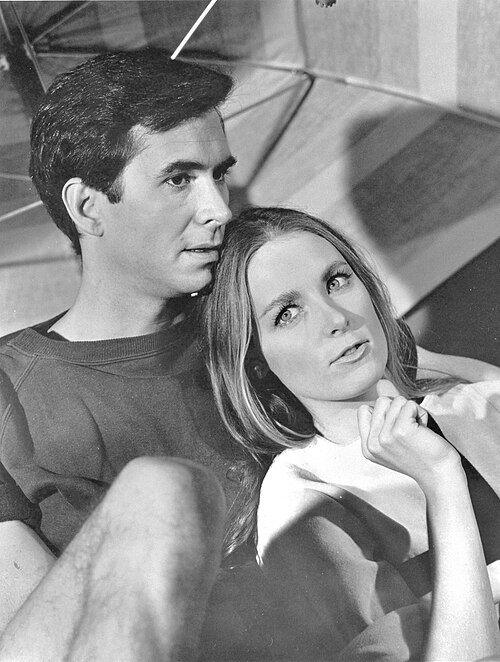
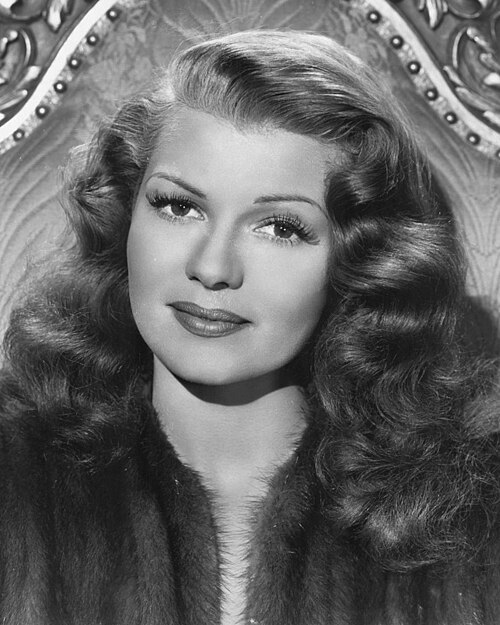
- Rita Hayworth died of Alzheimer's in 1987 at 68, at a time when the disease was rarely discussed in public.
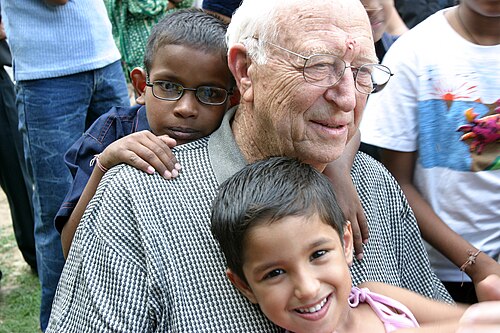
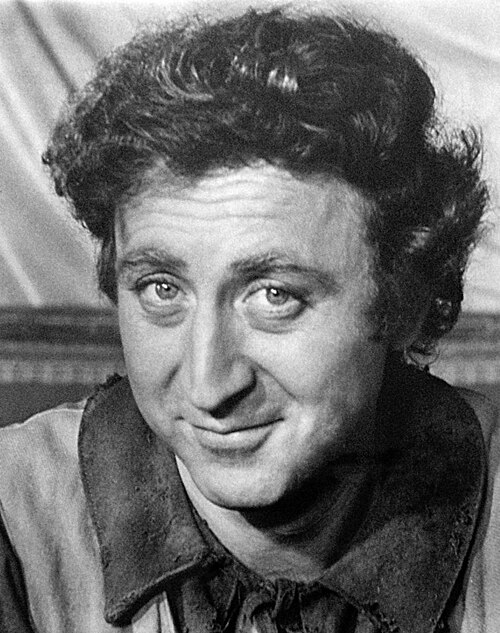
- Gene Wilder died in 2016 at 83 from complications of Alzheimer's.
- Malcolm Young, the AC/DC co-founder and rhythm guitarist, died of dementia in 2017 at 64, the youngest person on this list.
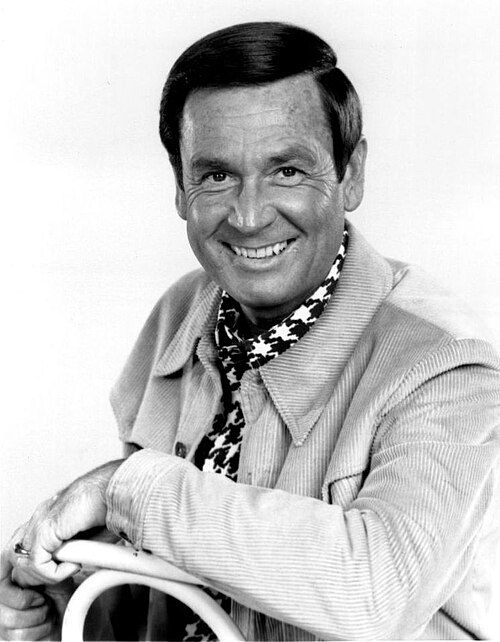
- Bob Barker, longtime host of The Price Is Right, died in 2023 at 99, the oldest on the list.
- Estelle Getty, Sophia on The Golden Girls, died in 2008 at 84 of Lewy body dementia, a different disease from Alzheimer's.
Across the notable people on this list, the median age at death is 83.5. Malcolm Young at 64 is the exception that shows early-onset disease is real, but the bulk of the list died in their late 70s to early 90s. Keep the limits in mind: famous people are not a representative sample, causes of death here come from Wikidata and can be incomplete, and dementia was underdiagnosed for much of the 20th century, so older deaths may be missing from the record entirely.
The short version
Age and genes set the starting odds, and they cannot be changed. Beyond them, the CDC says nearly 45% of dementia cases may be prevented or delayed. The best-supported levers are the ones that also protect the heart: controlling blood pressure and blood sugar, staying active, not smoking and drinking within limits. Treating hearing loss, guarding the head against injury and staying socially connected also appear on the list, with weaker but growing evidence. Aluminum and vaccines are not causes.
Sources
- WHO: Dementia fact sheet - global numbers, rank as a cause of death, Alzheimer's share, risk factors, impact on women.
- WHO: Risk reduction of cognitive decline and dementia, WHO guidelines (2019) - existence and scope of WHO risk-reduction guidance.
- CDC: About Alzheimer's disease - definition, death ranking, not a normal part of aging.
- CDC: Reducing risk for dementia - 45% estimate, blood pressure, diabetes, smoking, alcohol, hearing loss.
- CDC MMWR: Modifiable risk factors for Alzheimer disease and related dementias among adults aged 45 and older, 2019 - prevalence of risk factors in US adults.
- CDC: Signs and symptoms of dementia - warning signs and value of early evaluation.
- Alzheimer's Association: Facts and figures - US prevalence, age and sex split, ethnic differences.
- Alzheimer's Association: Causes and risk factors - age doubling, family history, deterministic genes, head injury, aluminum.
- Alzheimer's Association: Myths - fatal disease, vaccines, current treatments.
- NHS: Alzheimer's disease, causes - plaques and tangles, age, Down syndrome, head injury, linked conditions.
- NHS: Can dementia be prevented? - exercise and alcohol guidance, genes, not a natural part of ageing.
- MedlinePlus Genetics: Alzheimer disease - APP, PSEN1, PSEN2, APOE e4, Down syndrome, early-onset share.
- Wasano and Jorgensen, Lancet Regional Health Western Pacific (2026): The potential for dementia prevention in Japan - the 14 risk factors from the 2024 Lancet Commission, the Commission's 35-45% range, and the paper's 45.3% global estimate.
- Franz et al., Alzheimer's and Dementia (2025): Lancet Commission risk factors and blood-based biomarkers - the 14 factors could cut incidence by up to 45%.
- JAMA (2019): Effect of intensive vs standard blood pressure control on probable dementia - SPRINT MIND results.
- JAMA Neurology (2023): Hearing aids and cochlear implants with cognitive decline and dementia, a meta-analysis - 19% lower hazard, low-quality evidence.
- BioMed Research International (2017): Physical activity and cognitive decline, dementia and its subtypes, meta-analysis - odds ratios for dementia and Alzheimer's.
- Brain Sciences (2024): Traumatic brain injury and risk of cognitive decline, umbrella review - pooled odds of dementia after head injury.
- USPSTF: Cognitive impairment in older adults, screening (2020) - insufficient evidence for screening.
How this was sourced
This article summarizes public health authorities and peer-reviewed research, linked at each claim. We could not open the Lancet Commission report itself, so its figures are taken from peer-reviewed papers that apply and quote it. Details about the people named come from our records, which draw on Wikidata. It is not medical advice: talk to a doctor about your own risk.