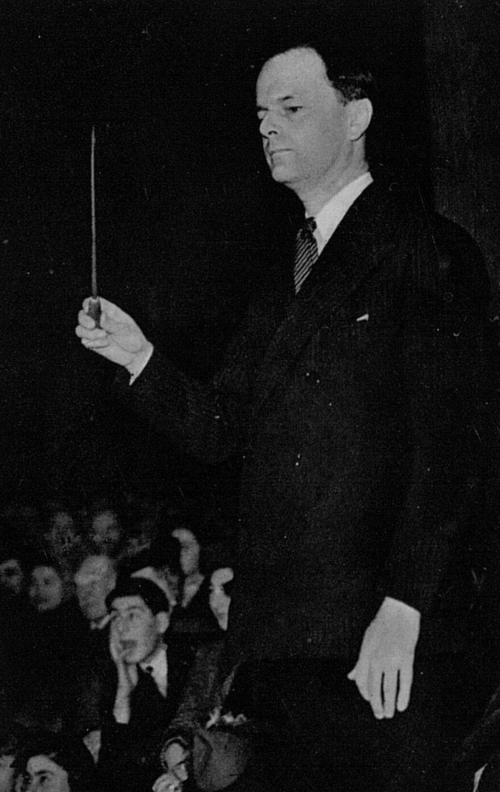
Kenneth Clark
Kenneth Clark was a British art historian, museum director, and broadcaster, whose expertise spanned a wide range of artists and periods, with a particular association with Italian Renaissance art, notably that of Leonardo da Vinci. He directed two art galleries in the 1930s and 1940s, before presenting a series of television programs on the arts from the 1950s to the 1970s, including the notable Civilisation series in 1969. Clark was introduced to the arts at an early age and was influenced by the writings of John Ruskin, which instilled in him the belief that everyone should have access to great art. He was appointed director of the Ashmolean Museum in Oxford at the age of twenty-seven and later became director of Britain's National Gallery, where he transformed the gallery to make it more accessible and inviting to a wider public. Clark's career was marked by numerous honors, including being knighted at thirty-five and made a life peer, and he was widely recognized for his skill as a writer and his enthusiasm for popularizing the arts, with both the BBC and the Tate describing him as one of the most influential figures in British art of the twentieth century. His legacy continued to be celebrated, with a reappraisal of his career by a new generation of critics and historians following an exhibition at Tate Britain in London three decades after his death.
Health Timeline
Newest first - 0 eventsNo health events recorded for Kenneth Clark yet. This page updates as coverage is verified.
About this record
Each event is compiled from published reporting and rated for severity by an automated classifier, then shown with its date. Only events concerning Kenneth Clark's own health are included. Biographical summary adapted from Wikipedia (source linked above).
0 health events - 0 articles tracked